
Transforming Transit Access
Transforming Transit Access
Overview
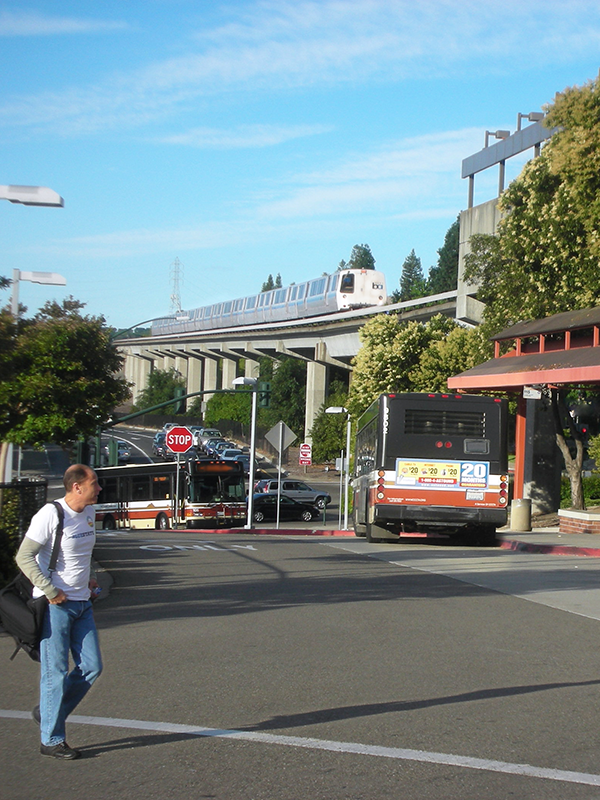
Station Access Plans improve public transportation access. They consider different commuters and help to advance infrastructure, cyclist and pedestrian enhancements, parking solutions, and equitable strategies to make transit more convenient and appealing.
MTC requires local jurisdictions with stations subject to the TOC policy to analyze gaps in accessing stations and develop a capital and/or service improvement program to fill these gaps. These plans can have a significant impact on people’s lives. For example, if someone uses BART to commute to work but must stop along the way to take their child to daycare and run an errand before returning home, an access plan can consider and accommodate this need. In this case, an access plan might identify and describe the lack of bicycle infrastructure and secure cargo bike parking, recommending specific ways to close these gaps and provide the new means of access to riders.
TOC policy makes certain transportation funds dependent on jurisdictional zoning changes and policy actions, such as the completion of a station access plan.
Fehr & Peers is excited to see access plans we created in partnership with BART and Caltrans for Berkeley-El Cerrito, Irvington, and San Mateo highlighted by MTC as examples to follow. Below, we describe how these plans achieve one or more of the following objectives:
- Balanced planning for safe and efficient multimodal station access
- Provided the right amount of parking to align with city & agency goals
- Promoted equitable planning and implementation strategies
Berkeley-El Cerrito
The Berkeley-El Cerrito Corridor Access Plan (BECCAP) seeks to enhance access options for all BART riders, including pedestrians, cyclists, and public transit riders. Based on analysis of pre- and post-pandemic data, the plan offers 48 comprehensive access strategies, guiding infrastructure development and reducing the need for driving. Prioritization of crucial facilities, like bike boulevards, enables convenient biking routes to BART stations, promoting alternative commuting options for riders, and reducing the amount of needed parking.


Irvington
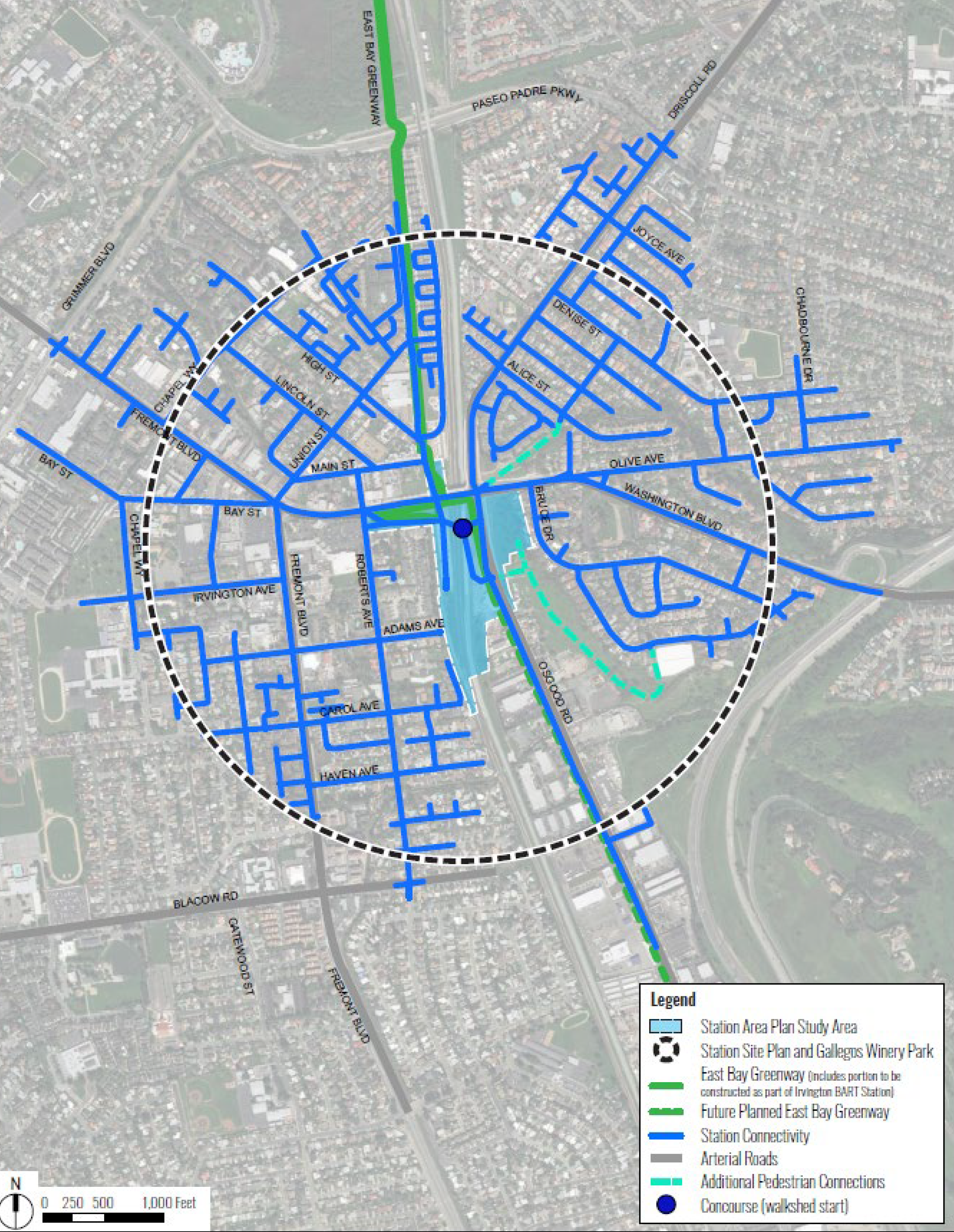
The Irvington BART Station Area Plan seeks to improve multimodal access for a proposed infill BART station and its surroundings. Challenges like grade-separated railroad tracks and wide streets for pedestrians are addressed with inclusive improvements: greenways, wider sidewalks, trails, and protected crossings. A 15-minute walkshed analysis highlighted the relative effectiveness of proposed improvements that would improve accessibility and encourage public transportation use.
San Mateo
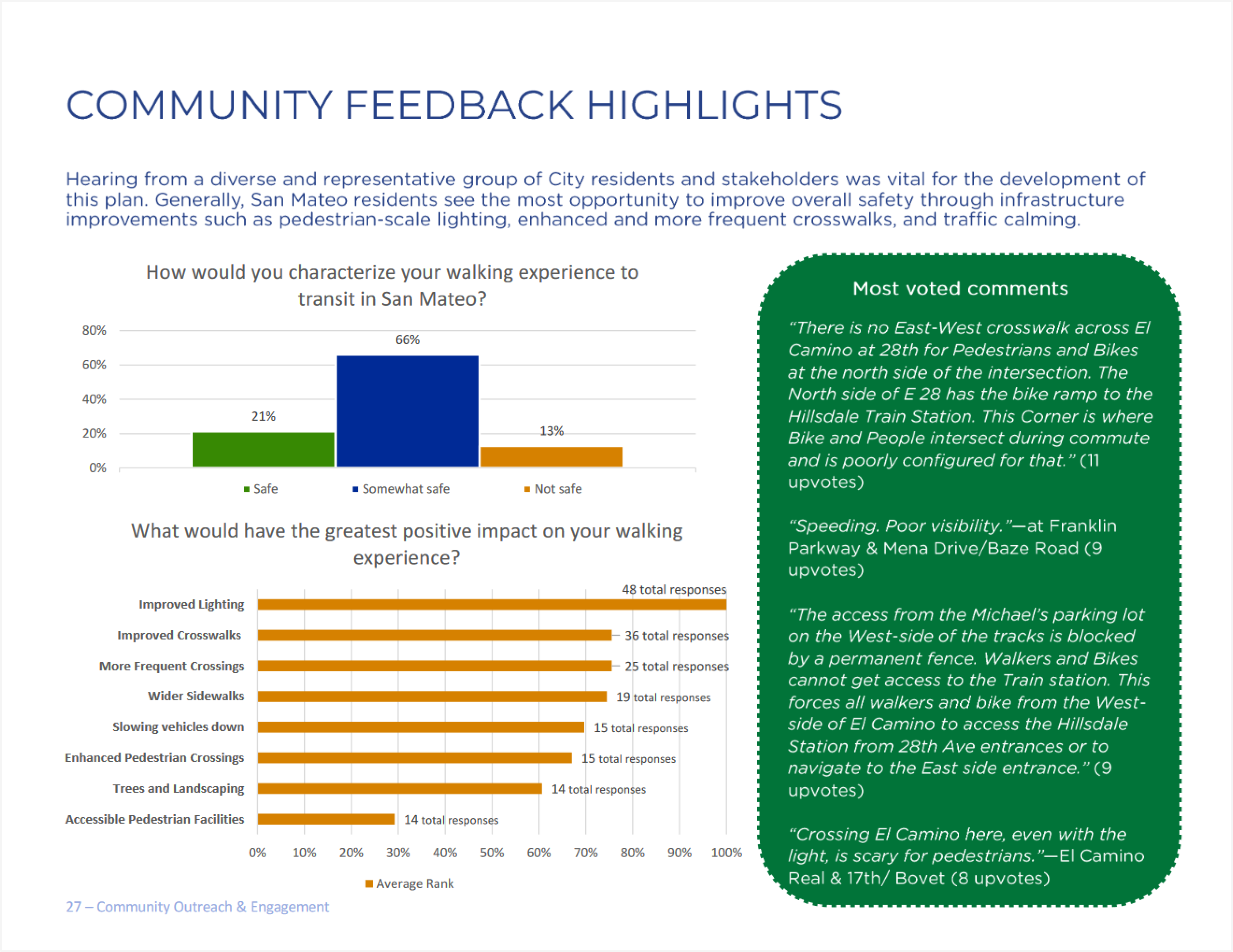
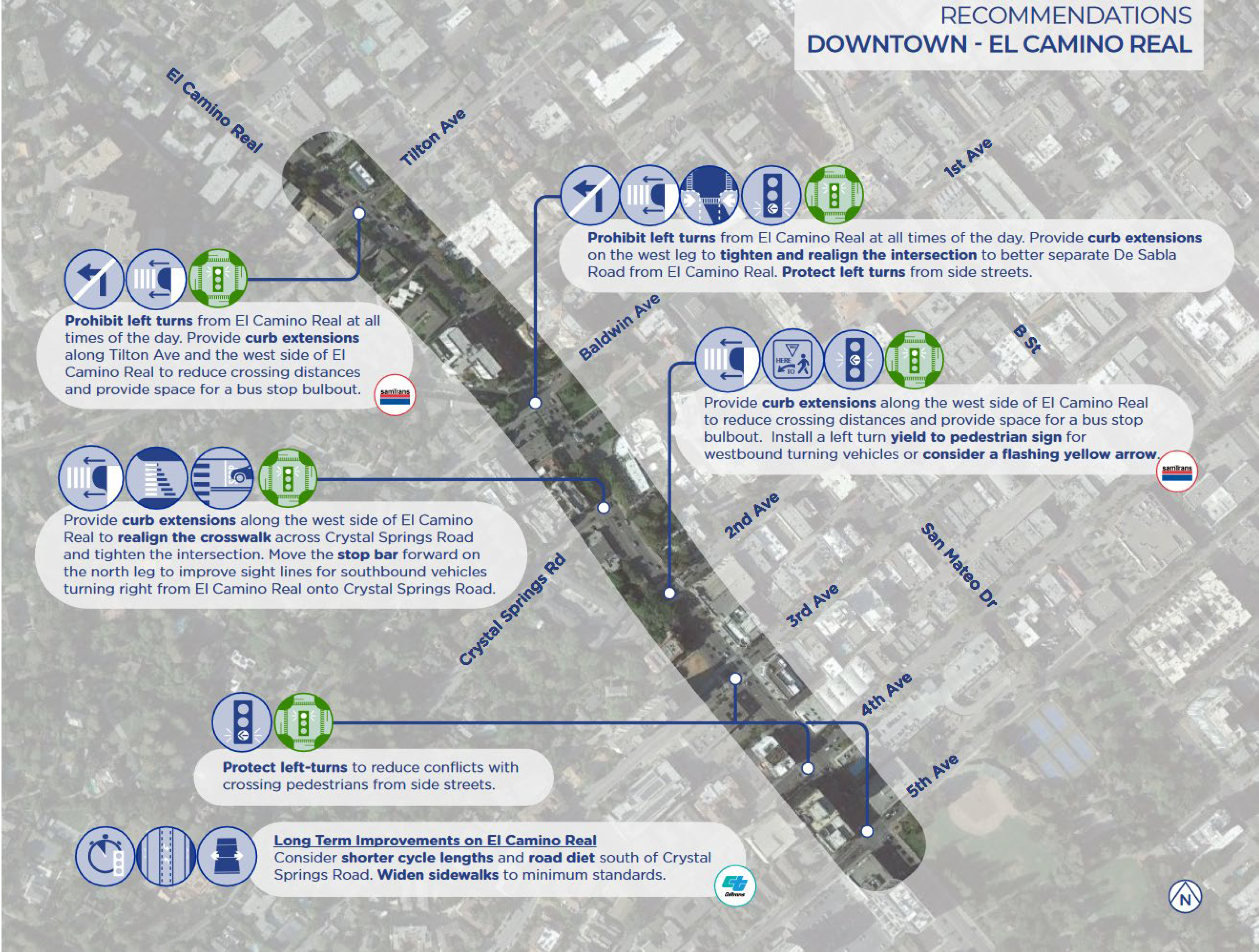
The City of San Mateo Transit-Oriented Development (TOD) Pedestrian Access Plan leveraged a data-driven and community-led approach to enhance pedestrian access in a major corridor. Collaboration with the Public Works Department and UPP ensured inclusivity, gathering community feedback in English and Spanish. Proposed strategies include providing safer crossings, wider sidewalks, improved lighting, and wayfinding elements, in addition to improvements that allow better access for pedestrians walking from neighboring communities. The plan supports goals for increasing access to sustainable transportation options for all members of the San Mateo community and improved quality of life for residents who live near these stations.
Are you interested in pursuing an MTC station access grant and/or developing a station access gap analysis for compliance with MTC’s TOC policy? Let’s connect!
share this article
Contributors

Molly Riddle
Engineer/Planner
Email Me

Matt Goyne
San Francisco Market Leader
Email Me

Andy Kosinski
Associate
Email Me
Explore More

Safer Today, Stronger Tomorrow
What happens when the safety goals for now and the goals for the future are in conflict? A people-focused Safe System approach considers vulnerabilities today and in the future. Recently adopted as a priority by agencies such as FHWA, Caltrans, the City of Philadelphia, and the Washington State Department of Transportation, safe system is a traffic safety framework emphasizing shared responsibility and a proactive approach where death and serious injury are recognized as unacceptable costs of travel on our roads.

2020 Staff Certifications
With 2020 drawing to a close, we recognize our team’s professional industry achievements amidst the year’s uniquely challenging circumstances.
SB 743 Agency Decision Matrix
This guide helps California agencies make informed decisions on how to measure and assess Vehicle Miles Traveled (VMT) for land use and transportation projects, ensuring compliance with SB 743.