
Rethinking Street Design for Safety and Emergency Access
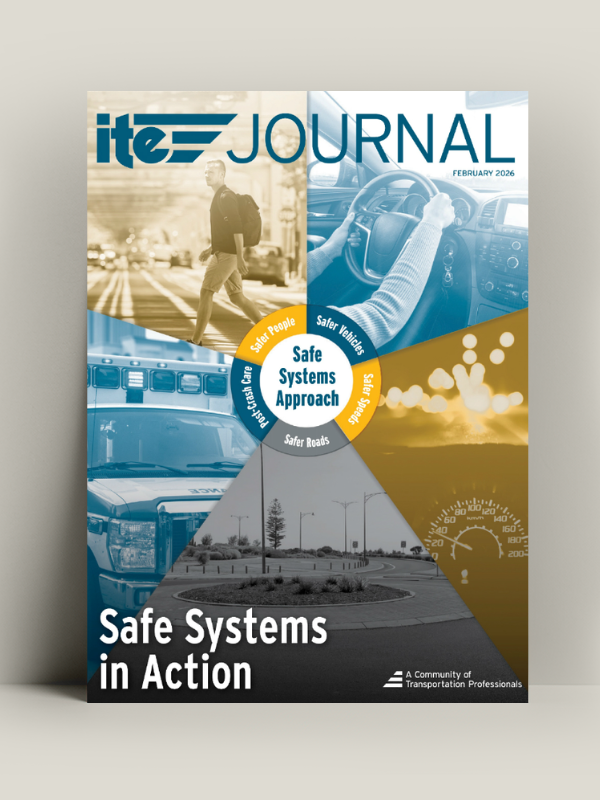
Rethinking Street Design for Safety and Emergency Access
Cities want neighborhood streets that are safe, livable, and ready for emergencies. But in practice, those priorities don’t always align. Rigid standards and siloed decision-making can push communities toward wider streets that increase speeds, raise long-term costs, and limit space for housing and neighborhood amenities.
This February 2026 ITE Journal article, “Safer Streets Through Abundance: Aligning Fire Codes, Safety, and Community Goals,” looks at a different path forward: connected street networks that give emergency responders multiple routes, and early collaboration between fire, transportation, planning, and public health teams.
When departments work together from the start, communities can move beyond one-size-fits-all standards and design residential streets that support both emergency response and everyday safety.
Contact us to explore how your community can balance emergency access with safer, more sustainable neighborhood design.
share this article
Contributor

Matt Goyne
Principal
Email Me
Explore More

Equity & Infrastructure Improvements
It’s not always clear which community members and roadway users are likely to benefit from large-scale infrastructure investments. Learn how activity-based models can help.
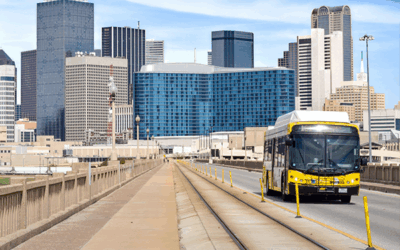
Fehr & Peers in Dallas, Texas
We are excited to announce our expansion to Texas! With proximity to downtown Dallas, establishing roots here allows us to continue to provide for and deepen our relationships with clients in the DFW Metroplex and beyond.
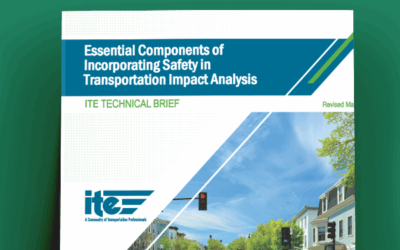
ITE Safety for Development Projects
Explore ITE’s new technical brief that describes a comprehensive way for public agencies to incorporate the Safe System approach in project reviews, to build proactive, multimodal safety considerations into transportation impact analysis reports.