
Rethinking Street Design for Safety and Emergency Access
Rethinking Street Design for Safety and Emergency Access
Cities want neighborhood streets that are safe, livable, and ready for emergencies. But in practice, those priorities don’t always align. Rigid standards and siloed decision-making can push communities toward wider streets that increase speeds, raise long-term costs, and limit space for housing and neighborhood amenities.
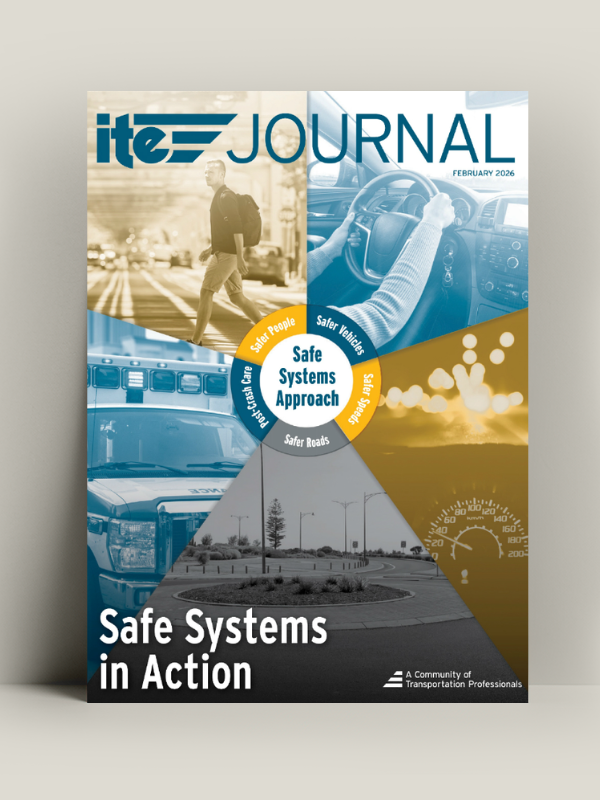
This February 2026 ITE Journal article, “Safer Streets Through Abundance: Aligning Fire Codes, Safety, and Community Goals,” looks at a different path forward: connected street networks that give emergency responders multiple routes, and early collaboration between fire, transportation, planning, and public health teams.
When departments work together from the start, communities can move beyond one-size-fits-all standards and design residential streets that support both emergency response and everyday safety.
Contact us to explore how your community can balance emergency access with safer, more sustainable neighborhood design.
share this article
Contributor

Matt Goyne
Principal
Email Me
Explore More

2023 Staff Promotions
Join us in congratulating 112 of our team members who earned promotions for their outstanding contributions this year.
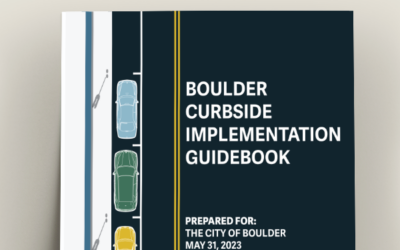
Boulder Curbside Implementation Guidebook
The guidebook offers data-driven strategies to reallocate curb space for various uses—such as loading zones, micromobility, and outdoor dining—while addressing safety, sustainability, and community needs. It includes implementation tools, pricing models, design considerations, and guidance for integrating emerging technologies like dynamic curb management and autonomous vehicles.

Kristof Devastey Joins Fehr & Peers
Warmly welcoming, Kristof Devastey, a safety and modal equity expert, to our Orlando Office. He brings years of experience in creating safer, equitable, and livable transportation solutions.