
Kristof Devastey Joins Fehr & Peers
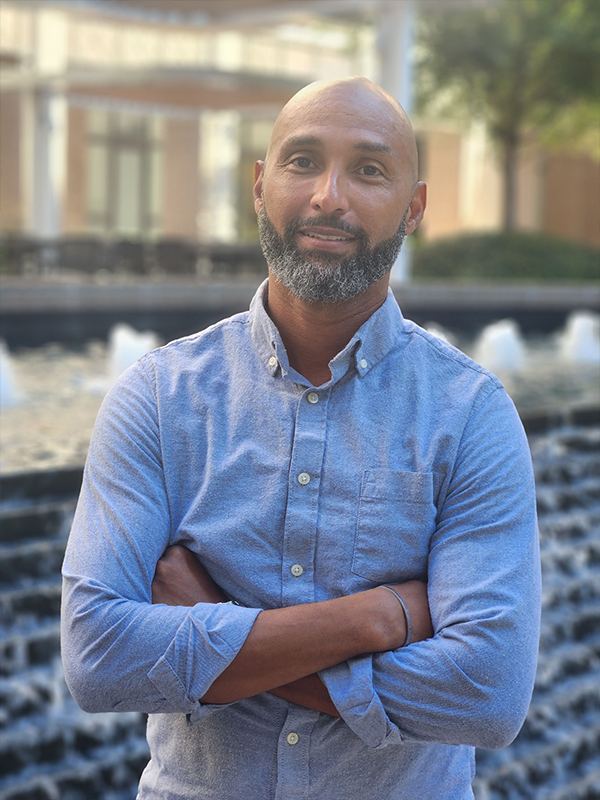
Kristof Devastey Joins Fehr & Peers
A Proponent for Safety
Kristof’s focus on safety stems from his early days with the Florida Department of Transportation. Tracking with the shift from more reactive conventional safety practices, Kristof has evolved to become an adamant supporter of proactive strategies like the Safe System Approach and Vision Zero. Further compelled by Florida’s extended track record of leading the nation in pedestrian and bicycle deaths and pained that his own 9-year-old cannot safely walk or bike to school, Kristof is inspired to help change the culture of how we plan and design streets, how we strategize to incorporate safety measures, and who we’re taking into consideration as part of them.
A Passion for Modal Equity
Driven by this desire to achieve safety for all road users, Kristof approaches his work with layers of equity in mind. Age, gender, income, the underserved, and communities of concern are all brought into the mix as he creates plans to help people move about and get to their essential destinations. Striving to narrow gaps in fairness and accessibility, he supports and pursues methodologies that will increase access to affordable and reliable transportation options for everyone. Highlights in his work also include highway mitigation, reconnecting communities, and a landmark Texas case that involved a proposed highway expansion that would cut through a historically disadvantaged community displacing many of its residents. His team’s important analysis and critique of an existing environmental impact assessment pertaining to the project became part of a landmark lawsuit citing civil rights infringements for those in this community and ultimately stopped this detrimental highway expansion. Important equitable work like this inspires him and drives him to continue advocating for those who can’t advocate for themselves.
A Champion for Livable Transportation
While past transportation systems often resulted more as car conduits, Kristof champions planning that focuses on the place function of a roadway. He has led workshops and practitioner training in designing best practices for pedestrians, bicyclists, and transit users in traditionally auto-oriented environments. As roadways and arterials tend to be the lifeblood of our cities, he believes that it’s not just about what lies between the curb lines, but also what lies outside the curb lines. Prioritizing the coexistence of land use and mobility has allowed him to advance multimodal strategies that are supportive of existing and future land use contexts. He focuses on improving safety and mobility for all modes of transportation (auto, transit, bicycle, pedestrian), promoting modal connectivity, and supporting the health and prosperity of current and future community needs. He avidly promotes context-sensitive thinking to help identify and address common challenges in implementing complete streets strategies and cost-feasible improvements to ensure the foundation of healthy, vibrant communities with long-term stability for residents, visitors, and businesses.
We warmly welcome Kristof to our Orlando office and nationwide safety team. We look forward to his important contributions to both safety and modal equity as we help improve how people move about as they work, play, and use their streets. Please join us in welcoming Kristof to Fehr & Peers!
share this article
Explore More
Cathleen Sullivan Joins Fehr & Peers
Our new Principal Cathleen Sullivan brings a practical, people-centered approach to transit and multimodal planning, helping Bay Area agencies turn complex ideas into progress.

Get a First Look at the Generative AI Policy Starter Kit
We helped develop a new Generative AI Policy Starter Kit through ITE. Explore the Quick Bite and ITE Journal article now, and stay tuned for the full kit.
Intern Perspectives: A Summer in Transportation
What does a transportation internship actually look like? This summer, 25 interns across 14 of our offices gained hands-on experience with fieldwork, street design, GIS, data analysis, visual communication, client work, and community engagement. See what they learned, what surprised them, and how the experience shaped the way they think about careers in transportation.