
Since the onset of the COVID-19 pandemic, one question we frequently hear from our clients is: How has local travel behavior changed? To help provide answers, we embarked on a self-funded research effort, collecting pre-COVID and 2022/2023 traffic data at residential, retail, and mixed-use sites across California. We also conducted multi-day surveys at large office parks, one of the land uses most affected by the pandemic.
Our findings reveal significant shifts in travel patterns, especially at office buildings, where trip generation rates have dropped well below the rates set by ITE’s 2021 Trip Generation Manual, which consists entirely of pre-COVID data. These insights could have important implications for transportation planning, from travel demand models to infrastructure forecasting and fee programs.
For a deeper look at the data and what it means for future planning, check out our full white paper. Questions? Feel free to reach out to the report’s primary author, John Gard, PE, RSP1.
Contributors

John Gard
Email Me

Brian Wolfe
Email Me
Explore More
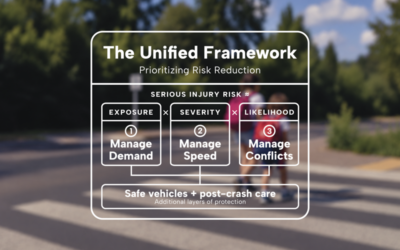
A Unified Framework for Roadway Safety
How can transportation professionals determine which safety strategies to prioritize? The Unified Framework for Safe System Implementation brings decades of safety research together to help agencies make more informed decisions. By connecting exposure, severity, and crash likelihood to different roadway contexts, the framework offers a practical way to prioritize strategies across planning, policy, design, and operations.
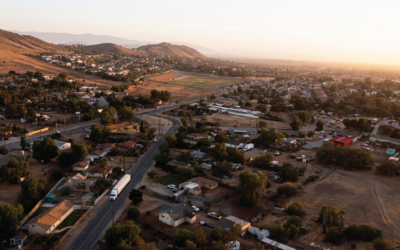
Meeting the Deadline Isn’t the Same as Solving the Problem
New state requirements are changing how cities approach truck route planning, but meeting a deadline doesn’t necessarily resolve conflicts between freight movement and neighborhood needs. See how Jurupa Valley used truck data, community input, and clear evaluation criteria to rethink its truck network, meet California’s AB 98 requirements, and reduce truck traffic exposure in sensitive areas.

Cathleen Sullivan Joins Fehr & Peers
Our new Principal Cathleen Sullivan brings a practical, people-centered approach to transit and multimodal planning, helping Bay Area agencies turn complex ideas into progress.