
Identifying Vulnerabilities for a Resilient Future
This August 2025 ITE Journal article explores how one county in Florida is preparing ahead of flooding to remove barriers to essential services.
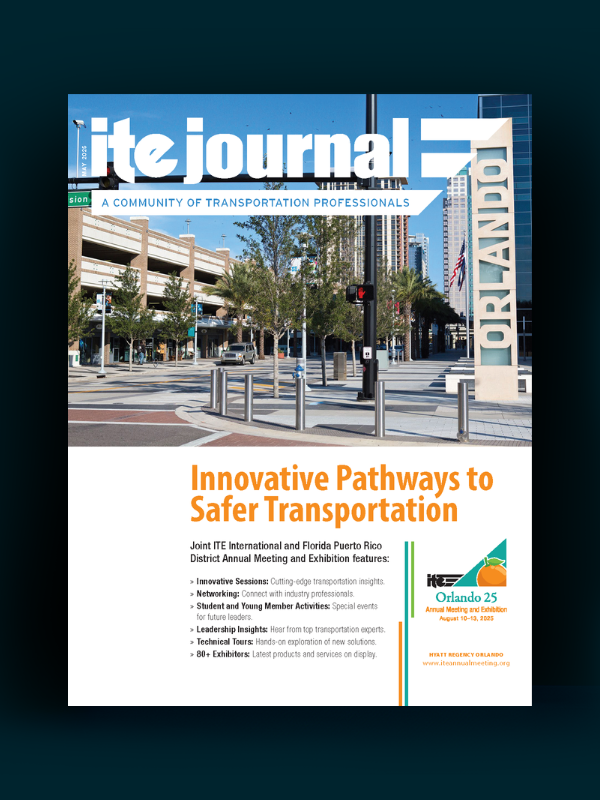
Identifying Vulnerabilities for a Resilient Future
This August 2025 ITE Journal article explores how one county in Florida is preparing ahead of flooding to remove barriers to essential services.
Working with the East Central Florida Regional Planning Council, we pinpointed the roads most likely to flood and how closures cut off access to essential services. In some situations, entire community areas are at risk of losing access, illustrating opportunities for infrastructure improvements and redundant routes and services.
Read the full article (“Identifying Vulnerabilities for a Resilient Future in Volusia County, FL”) in the August issue of ITE Journal to see what we found and how it helps leaders plan for a more resilient future.
Contact us to see how resilience planning can keep your community connected.
share this article
Contributors

David Caplen
Transportation Planner
Email Me

Chelsea Richer
Email Me

Kathrin Tellez
Email Me
Explore More

The Road Less Traveled
Learn about our solutions that provide simple, effective, and scalable options to bridge the gap between expectations and resource constraints in rural transportation planning.

2023 Staff Promotions
Join us in congratulating 112 of our team members who earned promotions for their outstanding contributions this year.
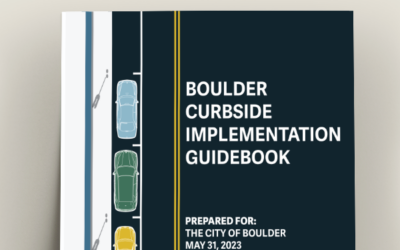
Boulder Curbside Implementation Guidebook
The guidebook offers data-driven strategies to reallocate curb space for various uses—such as loading zones, micromobility, and outdoor dining—while addressing safety, sustainability, and community needs. It includes implementation tools, pricing models, design considerations, and guidance for integrating emerging technologies like dynamic curb management and autonomous vehicles.