
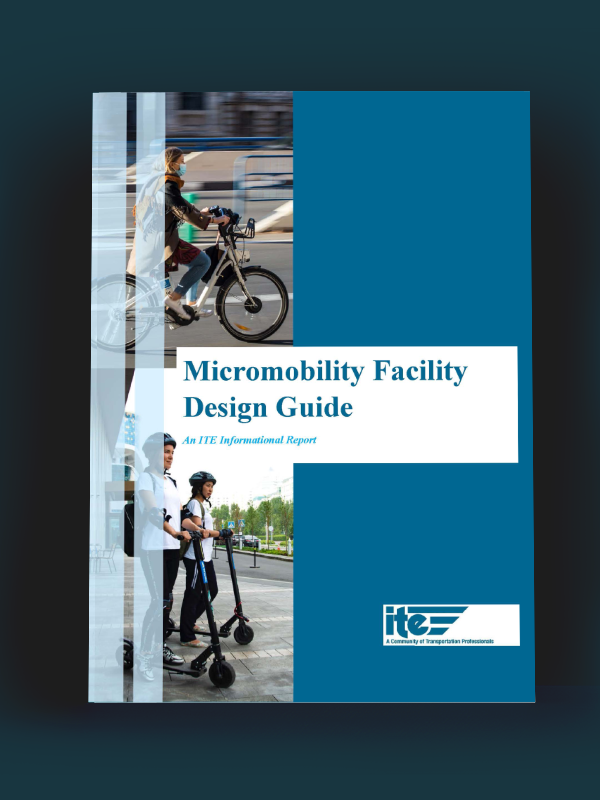
There has been widespread growth of micromobility vehicles in both large cities and small towns. However, these micromobility vehicles use existing right-of-way and transportation infrastructure that was not designed with them in mind. As a direct result of the lack of appropriate guidance on how to design roadways to accommodate the growth in micromobility vehicle use, the Institute of Transportation Engineers (ITE) Pedestrian and Bicycle Standing Committee developed the Micromobility Facility Design Guide Informational Report, which summarizes potential design challenges micromobility users experience as they travel on typical roadways. The report also identifies design solutions with real-world examples to accommodate micromobility. We invite you to explore the full report and continue the conversation with us below.
Looking for more insights?
share this article
Explore More

The Road Less Traveled
Learn about our solutions that provide simple, effective, and scalable options to bridge the gap between expectations and resource constraints in rural transportation planning.

2023 Staff Promotions
Join us in congratulating 112 of our team members who earned promotions for their outstanding contributions this year.
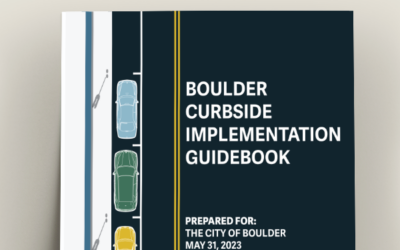
Boulder Curbside Implementation Guidebook
The guidebook offers data-driven strategies to reallocate curb space for various uses—such as loading zones, micromobility, and outdoor dining—while addressing safety, sustainability, and community needs. It includes implementation tools, pricing models, design considerations, and guidance for integrating emerging technologies like dynamic curb management and autonomous vehicles.