
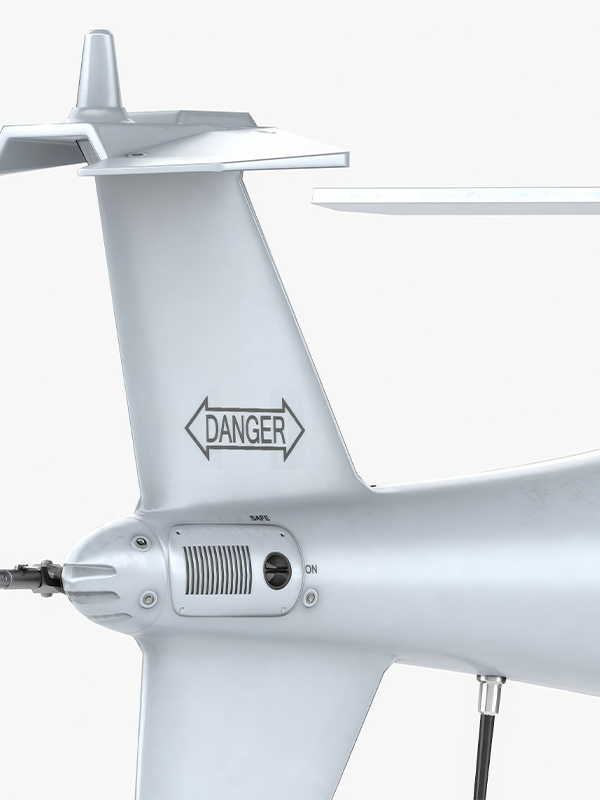
Current Status
Several companies, including Uber Elevate, Lilium, Kitty Hawk, and Volocopter have announced plans or started testing VTOL aircraft in some form. More traditional aeronautics names, such as Airbus and NASA, are also experimenting with VTOL technology. Some of these companies envision medium-range flights within a metropolitan area, while Lilium envisions longer ranges, such as London to Paris flights. Uber has publically stated that they plan to operate flying taxis by 2020, while Kitty Hawk has reached an agreement to test self-flying craft in New Zealand. Several of the companies are collaborating with traditional aircraft manufacturers, like Bell Helicopters.
Many companies envision fully-automated flight in the future, but most recognize that a human pilot is necessary in the craft or at a control center until automated systems are more advanced. However, some companies such as Lilium are designing their aircraft to fall within a less rigorous Sport Pilot license. The United States regulatory framework for prototype VTOL aircraft is unclear at this time; new rules will need to be developed especially as less human control and more automation is developed.
The VTOL crafts currently in development are mostly powered via electric motors and batteries, as opposed to traditional liquid fuel. Due to the limits of battery storage, they are being designed with lightweight materials.
Possible Benefits
VTOL craft could provide a new mobility option. We have outlined some potential benefits below:
-
-
-
- Decreased travel time for users compared to ground travel, particularly in congested metropolitan areas.
- Improved travel safety for users due to fewer ground based conflicts and automated flight control.
- Reduced ground noise as compared to traditional helicopters.
- Improved travel flexibility for users due to direct air routes between destinations.
- Reduced emissions as compared to other forms or flight as most VTOL concepts include electric based drive systems.
-
-
Possible Limitations
VTOL craft are likely to face regulatory and technological hurdles before they move from early testing to widespread use. We have outlined some of the potential limitations of the technology below:
-
-
-
-
- Limited flight time and range due to battery storage capacity and weight issues.
- Pilots will likely be needed in the near term until craft are able to operate safely on their own.
- Safety and security concerns will need to be addressed for both marketing/branding and regulatory purposes.
- Designated landing areas will need to be defined and controlled, requiring coordination with land owners and public agencies.
- Airspace control regulations will need to be negotiated and monitored.
- Community acceptance of operations and landing areas may vary by city/region, limiting the ability to scale.
- Cost could limit demand, depending on the range of factors influencing prices.
-
-
-
We’re committed to evaluating emerging technologies such as VTOL, so we can keep our clients informed and help navigate this rapidly changing landscape.
share this article
Explore More

2020 Staff Certifications
With 2020 drawing to a close, we recognize our team’s professional industry achievements amidst the year’s uniquely challenging circumstances.
SB 743 Agency Decision Matrix
This guide helps California agencies make informed decisions on how to measure and assess Vehicle Miles Traveled (VMT) for land use and transportation projects, ensuring compliance with SB 743.
Still Getting Trip Generation Right: Revalidating MXD+
State-of-the-practice analytical methods should be employed when estimating the trip generation of mixed-use projects. In the latest issue of the American Planning Association’s PAS Memo, John Gard and Corwin Bell of Fehr & Peers describe the advantages, analysis techniques, and use of MXD+ through actual site case studies.