
A Transformative Data Collection Solution

A Transformative Data Collection Solution
Alternative Data Collection
Over the past weeks, Fehr & Peers has actively listened to our clients throughout the country and gathered feedback on what challenges agencies, institutions, teaming partners, and private sector clients face in these unprecedented times. One aspect of our industry that many have asked about is data collection:
How will Fehr & Peers be approaching data collection in these times of suppressed travel volumes and economic activity, and how will this impact data quality, schedule, and defensibility?
Because traffic volume data is the foundation of many aspects of the transportation profession, from forming the basis of traffic volume forecasts to informing design characteristics, having good estimates of existing traffic volumes is critical to the engineering – and political – success of projects. Traditional data collection methods may now result in unacceptable delays to project schedules and yield count data that does not meet technical expectations. Feedback received from clients indicates that an alternative solution to traditional data collection should be:
- Based on a high-quality source of data, including multiple days of observations throughout the year
- Efficient to generate and analyze
- Cost-effective
- Able to replicate previous traffic count volumes within typical margins of error expected in the transportation profession
StreetLight Confidence Test
As noted in our recent blog post, we have accelerated our Research and Development actions to address the questions and needs of our clients and teaming partners. Fehr & Peers has leveraged our relationships with vendors of Big Data and emerging sources of data and technologies to determine alternatives to traditional count methods.
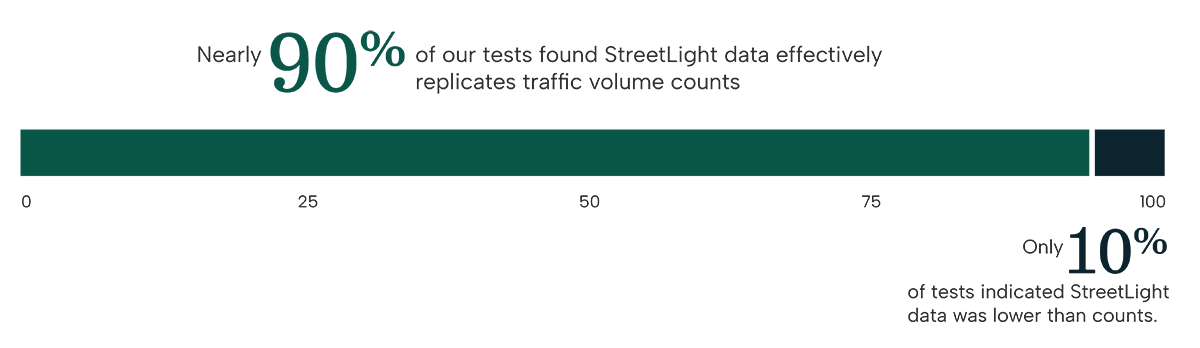
Fehr & Peers’ Forecasting and Operations Discipline Group, Land-Use and Transportation Discipline Group, and Data Science Technical Initiative have jointly completed an independent, third-party validation review of StreetLight Data’s intersection turning movement volume estimates. This validation review compared StreetLight’s traffic volume estimates to morning and afternoon peak period counts taken in 2019 at over 70 intersections throughout the California, Washington, and Utah markets, including over 2,650 individual movements by hour. We focused on count locations in these particular states, as StreetLight’s validation whitepaper on the algorithms behind the product indicated that the calibration of these algorithms relied on data from Colorado, Arizona, Midwest, and Eastern Seaboard regions.
The comparison included a statistical analysis of how the count data and the StreetLight volume estimates compared:
A Viable Solution
There are strengths and weaknesses with any data source – single-day traffic counts provide a more accurate representation of a single day’s traffic volume, but cannot provide information about the expected large variations in volume (at least +/- 10%) from one day to another or season-by-season. Big Data-based count volume estimates (of which StreetLight is one of a handful of providers) provides a much larger sample which can capture that variability.
The costs for big data traffic volume estimates are competitive with traditional traffic counts and offer the benefit of including up to one year’s worth of data plus all hours of the day. This data is available on-demand (saving valuable schedule), and has a much greater sample size, thus providing greater confidence in the estimates. Based on this information, StreetLight estimates meet all of the desired characteristics requested by our clients regarding an alternative solution to traditional data collection.
share this article
Explore More
Looking at Street Safety Through the Lens of Kinetic Energy
This ITE Technical brief explores how kinetic energy can add another dimension to roadway safety analysis, helping practitioners consider where conditions for serious harm may exist even before severe crash patterns emerge.
Understanding AI’s Role in Transportation Safety
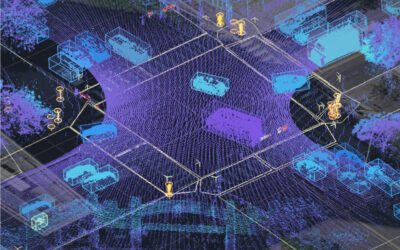
AI is giving transportation safety practitioners new ways to analyze data, detect near misses, and respond to risk before crashes happen. Real-world examples from Bellevue, WA and San Bernardino, CA show where AI-supported technology is delivering value—and where human judgment remains essential for turning data into responsible safety decisions.
New NCHRP Toolkit Helps Agencies Build Safety Into Everyday Decisions
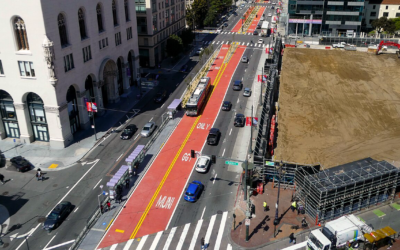
Making streets safer takes more than individual projects. Our new Safe System approach toolkit, developed through NCHRP Research Report 1181, helps agencies integrate safety into policies, budgets, design standards, and land use decisions. Explore practical tools, real-world case studies, and new IIHS Safe System success stories that show how agencies are turning safety into standard practice.