
What Is Downtown DC For?
The decongestion pricing debate is really a question about recovery, access, and what the city wants to become.
A perspective from Eric Womeldorff, Principal and Transportation Economics Practice Leader, Fehr & Peers Washington, DC

What Is Downtown DC For?
The decongestion pricing debate is really a question about recovery, access, and what the city wants to become.
A perspective from Eric Womeldorff, Principal and Transportation Economics Practice Leader, Fehr & Peers Washington, DC
Washington, DC is debating congestion pricing at a moment when downtown is still being redefined. The recently released decongestion pricing study has added new fuel to that conversation, but it has not resolved the harder question underneath it: what problem is the city actually trying to solve?
That is the focus of Eric Womeldorff’s brief. Rather than argue for or against pricing, he examines why this debate has become so difficult to settle and why the answer depends on how the city sees downtown’s future.
A few reasons this perspective is worth reading:
The status quo is not neutral.
Even without a formal charge, access to downtown already comes with costs in delay, frustration, and unreliable travel.
The study was built for a different city.
By the time it was released, commuting patterns, office demand, and the federal footprint had all shifted in meaningful ways.
The real disagreement is bigger than traffic.
The question is not only whether pricing would reduce congestion. It is also whether this is the right moment to manage downtown access differently while recovery is still uneven.
Eric has spent his career working at the intersection of land use, travel behavior, and transportation economics in some of the country’s most complex urban environments. He welcomes the conversation.
share this article
Contributor

Eric Womeldorff
Principal
Email Me
Explore More

Get a First Look at the Generative AI Policy Starter Kit
We helped develop a new Generative AI Policy Starter Kit through ITE. Explore the Quick Bite and ITE Journal article now, and stay tuned for the full kit.
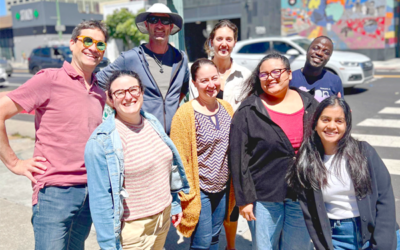
Intern Perspectives: A Summer in Transportation
What does a transportation internship actually look like? This summer, 25 interns across 14 of our offices gained hands-on experience with fieldwork, street design, GIS, data analysis, visual communication, client work, and community engagement. See what they learned, what surprised them, and how the experience shaped the way they think about careers in transportation.
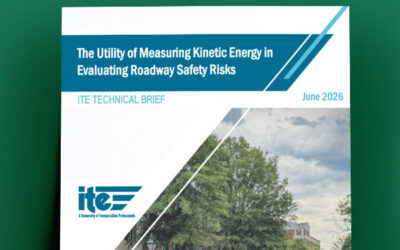
Looking at Street Safety Through the Lens of Kinetic Energy
This ITE Technical brief explores how kinetic energy can add another dimension to roadway safety analysis, helping practitioners consider where conditions for serious harm may exist even before severe crash patterns emerge.