
A New Focus on Climate & Congestion

A New Focus on Climate & Congestion

You want to travel freely.
Today, less than 35% of vehicle seats are filled on urban freeways during peak hours even though demand overwhelms available capacity. As public infrastructure, this level of efficiency raises questions about whether the roadway space is being wisely used. It also raises questions about how performance is traditionally measured.

Everyone wants to travel freely.
Freeways are often described as having problems when they are congested due to slow speeds instead of having too many unfilled seats. To some degree, this outcome is a result of cultural preferences for driving personal vehicles. This preference rates high on personal freedom, comfort, and convenience, but low on efficient use of the limited public roadway supply. If greater efficiency of the roadway network is desirable (i.e., more seats occupied) to improve travel reliability and reduce adverse travel effects such as delay, wasted fuel and air pollution, then demand management is essential.

Managing travel demand helps.
Demand management can include a range of strategies from how roadways are operated and controlled to behavioral incentives that influence when and how much people travel and by what modes. These strategies often require some tradeoffs between personal travel freedom and greater network efficiency or utilization. How to balance these tradeoffs is the essential question facing the public agencies that operate our roads.
share this article
Explore More
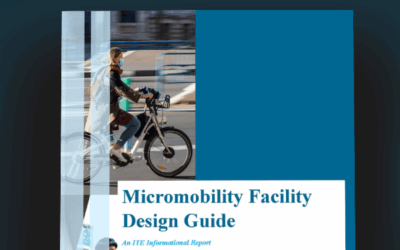
Growth in Micromobility
The Institute of Transportation Engineers (ITE) Pedestrian and Bicycle Standing Committee developed the Micromobility Facility Design Guide Informational Report, which summarizes potential design challenges micromobility users experience as they travel on typical roadways.
2021 Staff Promotions
As part of the Fehr & Peers culture of empowerment, we congratulate over 130 team members on earning promotions and feature 44 individuals achieving step-level promotions effective July 1.
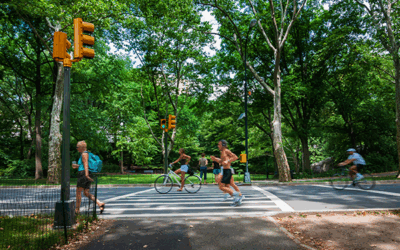
Safer Today, Stronger Tomorrow
What happens when the safety goals for now and the goals for the future are in conflict? A people-focused Safe System approach considers vulnerabilities today and in the future. Recently adopted as a priority by agencies such as FHWA, Caltrans, the City of Philadelphia, and the Washington State Department of Transportation, safe system is a traffic safety framework emphasizing shared responsibility and a proactive approach where death and serious injury are recognized as unacceptable costs of travel on our roads.