
Deepening Our Commitment to Safer Streets Nationwide


March 2, 2026 • 1 minute read
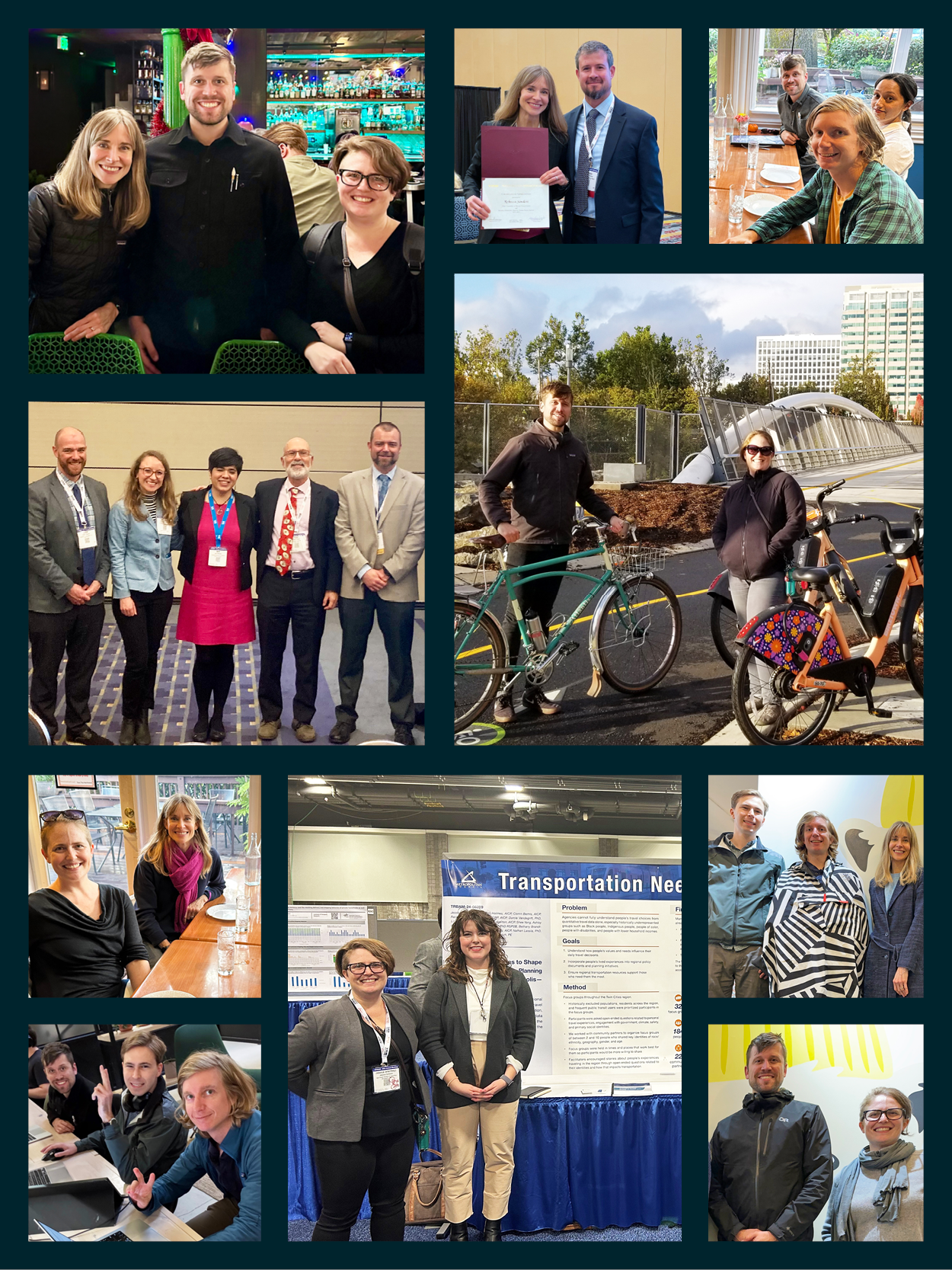
Collage of photos from Safe Streets Research + Consulting staff

Deepening Our Commitment to Safer Streets Nationwide


March 2, 2026 • 1 minute read
We’re excited to share that Safe Streets Research + Consulting is now part of Fehr & Peers. Based in Portland, with staff in Seattle and Minneapolis, Safe Streets staff are recognized experts in transportation safety research and data analysis. We’re proud they chose us as the right long-term home for their work, reflecting our shared commitment to rigorous analysis and community impact.
Safe Streets Research + Consulting logo along side the Fehr & Peers Logo
As transportation decisions become more complex and more visible, clients and communities want guidance they can trust and stand behind. We’ve long supported public and private partners through challenging, high-stakes decisions with clear, data-driven insight. Safe Streets Research + Consulting expands the depth behind our safety and Complete Streets work, equipping clients with even stronger analysis and communication tools to confidently lead their communities forward.

We’re thrilled to welcome this talented team! Together, we’ll continue helping communities create safer streets for everyone.

share this article

Explore More

Navigating Long-Term Transit: Planning in an Uncertain Time

Navigating Long-Term Transit: Planning in an Uncertain Time

We’re partnering with the Whatcom Transportation Authority in Bellingham, Washington to plan the long-term future and develop a strategy for restarting transit service, welcoming back riders, and ensuring riders can safely get where they would like to go. See what’s in the works.

VMT Mitigation Through Fees, Banks, and Exchanges

VMT Mitigation Through Fees, Banks, and Exchanges

On September 27, 2013, Governor Jerry Brown signed SB 743 into law and started a process intended to fundamentally change transportation impact analysis as part of CEQA compliance. These changes include elimination of auto delay, level of service (LOS), and other similar measures of vehicular capacity or traffic congestion as a basis for determining significant impacts. Instead, transportation impacts will be determined based on changes to vehicle miles of travel (VMT).