
Deepening Our Commitment to Safer Streets Nationwide


March 2, 2026 • 1 minute read
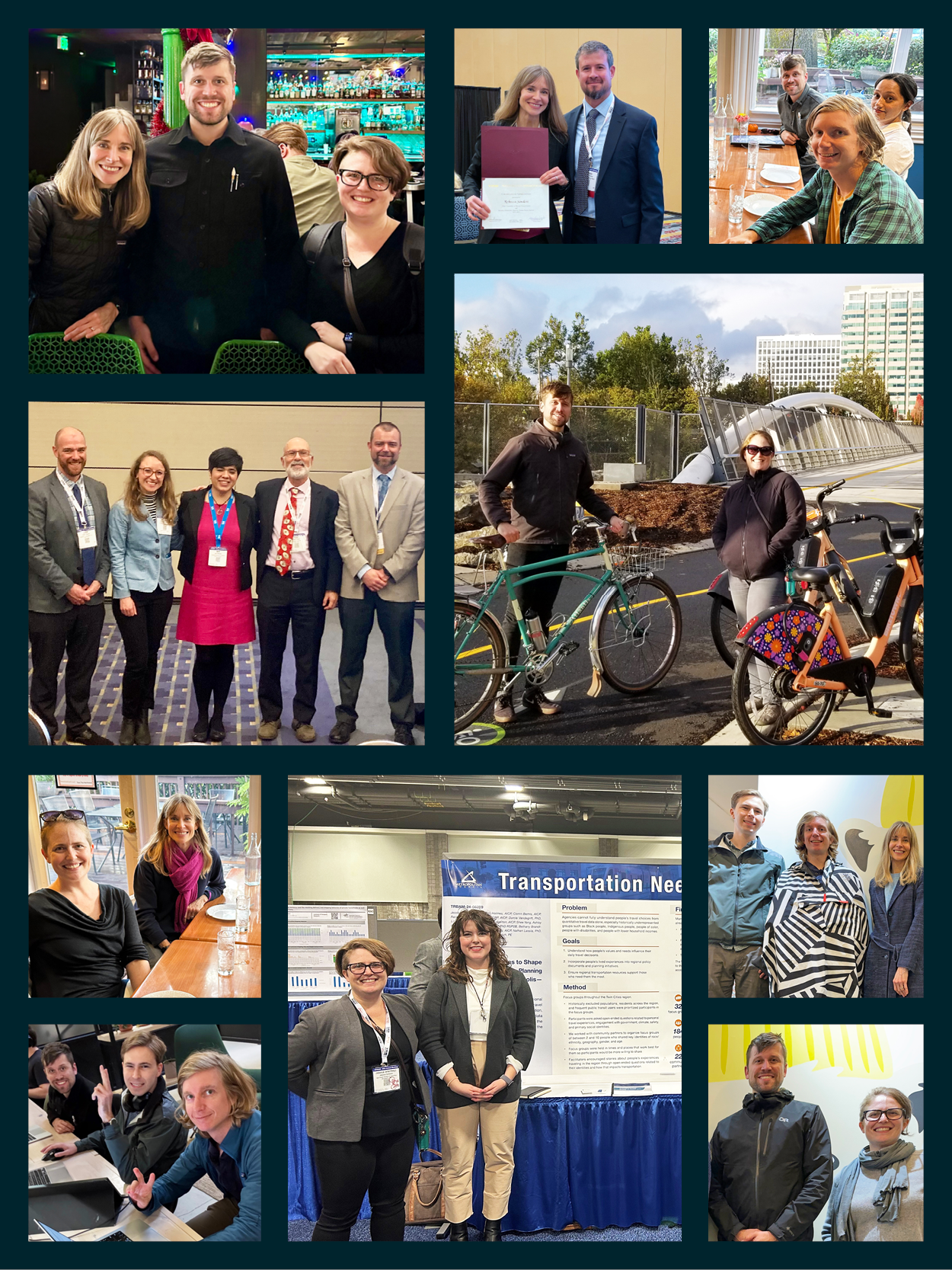
Collage of photos from Safe Streets Research + Consulting staff

Deepening Our Commitment to Safer Streets Nationwide


March 2, 2026 • 1 minute read
We’re excited to share that Safe Streets Research + Consulting is now part of Fehr & Peers. Based in Portland, with staff in Seattle and Minneapolis, Safe Streets staff are recognized experts in transportation safety research and data analysis. We’re proud they chose us as the right long-term home for their work, reflecting our shared commitment to rigorous analysis and community impact.
Safe Streets Research + Consulting logo along side the Fehr & Peers Logo
As transportation decisions become more complex and more visible, clients and communities want guidance they can trust and stand behind. We’ve long supported public and private partners through challenging, high-stakes decisions with clear, data-driven insight. Safe Streets Research + Consulting expands the depth behind our safety and Complete Streets work, equipping clients with even stronger analysis and communication tools to confidently lead their communities forward.

We’re thrilled to welcome this talented team! Together, we’ll continue helping communities create safer streets for everyone.

share this article

Explore More
SB 743 White Paper

SB 743 White Paper

SB 743 requires evaluating transportation impacts using VMT instead of Level of Service (LOS).

New Office in the Central Valley

New Office in the Central Valley

Fehr & Peers proudly announces the opening of our Central Valley satellite office! Located in the heart of downtown Stockton, this office will help us continue to provide for and deepen our relationships with current Central Valley clients while further expanding our ability to serve the region.

VMT & GHG Reduction Strategies

VMT & GHG Reduction Strategies

Strategies like transit-oriented development, increasing residential density, and improving street connectivity can significantly reduce VMT and GHG emissions, with some measures achieving reductions of up to 31%.