
CAPCOA Quantifying Greenhouse Gas Mitigation Measures
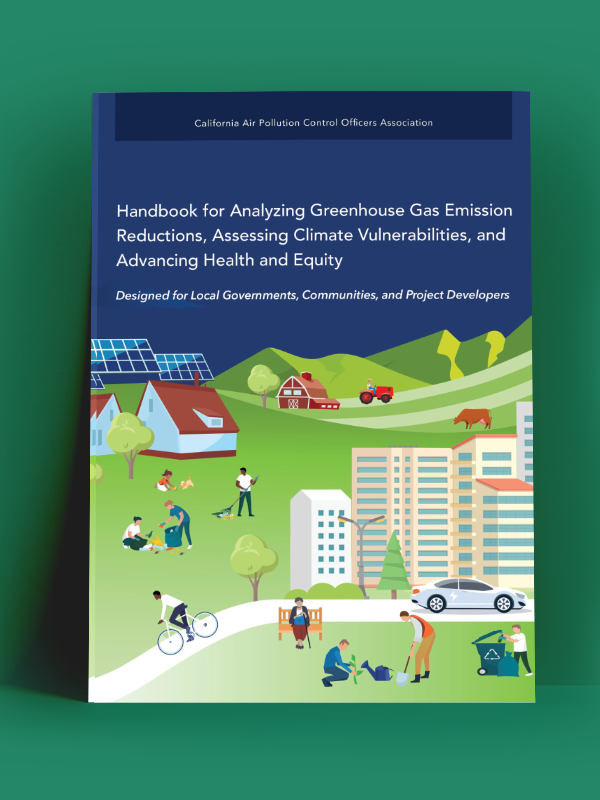
CAPCOA Quantifying Greenhouse Gas Mitigation Measures
Throughout the handbook there are a variety of updates that highlight current issues and strategies. A noteworthy update includes transportation mitigation strategies that have now been broken into two groups: those with sufficient substantial evidence through quantifiable measures and those requiring more evidence to support quantification (further details about the quantitative strategies begin on page 29 of the Handbook).
share this article
Explore More

Cathleen Sullivan Joins Fehr & Peers
Our new Principal Cathleen Sullivan brings a practical, people-centered approach to transit and multimodal planning, helping Bay Area agencies turn complex ideas into progress.

Get a First Look at the Generative AI Policy Starter Kit
We helped develop a new Generative AI Policy Starter Kit through ITE. Explore the Quick Bite and ITE Journal article now, and stay tuned for the full kit.
Intern Perspectives: A Summer in Transportation
What does a transportation internship actually look like? This summer, 25 interns across 14 of our offices gained hands-on experience with fieldwork, street design, GIS, data analysis, visual communication, client work, and community engagement. See what they learned, what surprised them, and how the experience shaped the way they think about careers in transportation.