
Rethinking Street Design for Safety and Emergency Access
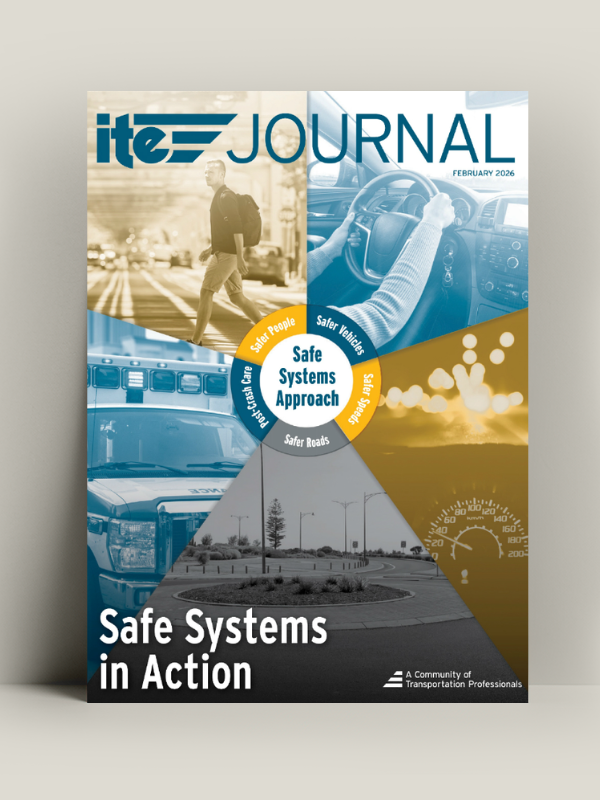
Rethinking Street Design for Safety and Emergency Access
Cities want neighborhood streets that are safe, livable, and ready for emergencies. But in practice, those priorities don’t always align. Rigid standards and siloed decision-making can push communities toward wider streets that increase speeds, raise long-term costs, and limit space for housing and neighborhood amenities.
This February 2026 ITE Journal article, “Safer Streets Through Abundance: Aligning Fire Codes, Safety, and Community Goals,” looks at a different path forward: connected street networks that give emergency responders multiple routes, and early collaboration between fire, transportation, planning, and public health teams.
When departments work together from the start, communities can move beyond one-size-fits-all standards and design residential streets that support both emergency response and everyday safety.
Contact us to explore how your community can balance emergency access with safer, more sustainable neighborhood design.
share this article
Contributor

Matt Goyne
Principal
Email Me
Explore More
Join Us at ITE Western 2025 | June 29-July 2
We are looking forward to joining peers across the region at the 2025 ITE Western District Annual Meeting to share ideas, practical tools, and approaches that support safer, more inclusive transportation systems.
Post-COVID Pandemic National Travel Changes
America’s travel habits changed during COVID, and some of those changes have become permanent. The ITE Journal offers an updated look at these ongoing trends.
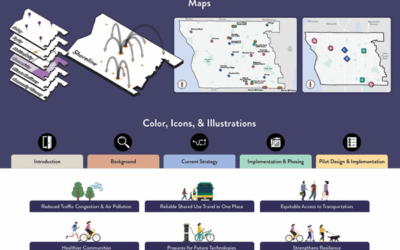
Mobility Hubs for Everyone
We partnered with the City of Shoreline to bring shared-use mobility hubs to life through visual storytelling—making sustainable, people-first travel easier to understand, support, and implement.