
Post-COVID Pandemic National Travel Changes
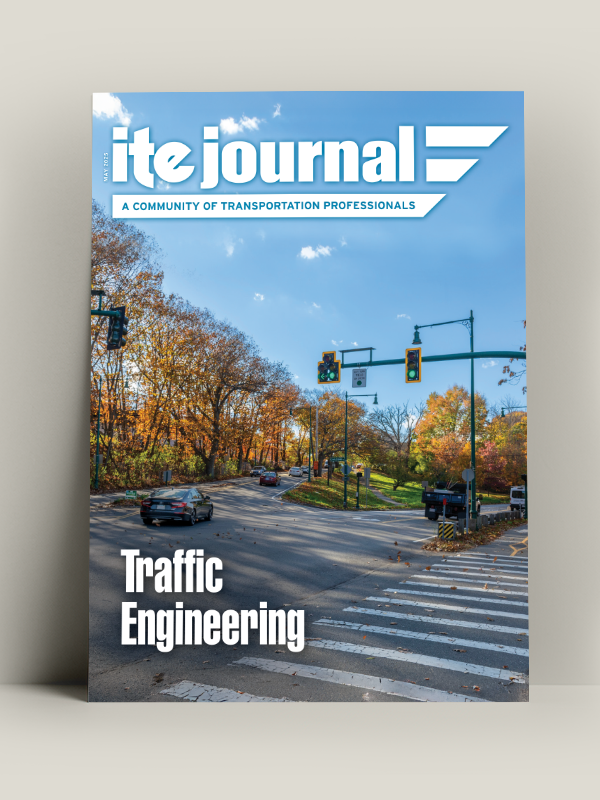
Post-COVID Pandemic National Travel Changes
Travel behavior in the US has changed more in the past few years than at any time in living memory.
While some travel patterns have returned to normal since the COVID-19 pandemic, others have not. Traffic volumes, transit ridership, and broader commuting habits still differ significantly from pre-pandemic levels.
In 2024, the Institute of Transportation Engineers (ITE) formed a task force to analyze this shift. Ian Barnes of Fehr & Peers contributed to that research and co-wrote an article for ITE Journal sharing the group’s findings.
Read the full article to learn more about this ongoing research, and contact us to explore how it could apply to your projects.
share this article
Contributor

Ian Barnes
Explore More
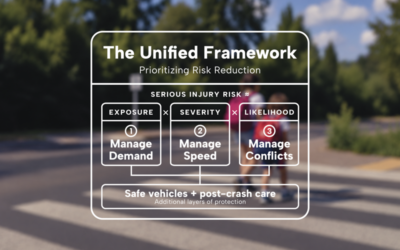
A Unified Framework for Roadway Safety
How can transportation professionals determine which safety strategies to prioritize? The Unified Framework for Safe System Implementation brings decades of safety research together to help agencies make more informed decisions. By connecting exposure, severity, and crash likelihood to different roadway contexts, the framework offers a practical way to prioritize strategies across planning, policy, design, and operations.
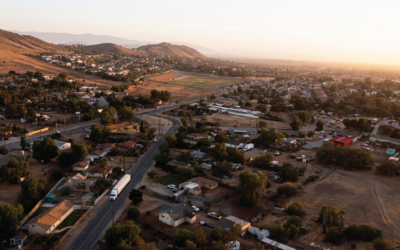
Meeting the Deadline Isn’t the Same as Solving the Problem
New state requirements are changing how cities approach truck route planning, but meeting a deadline doesn’t necessarily resolve conflicts between freight movement and neighborhood needs. See how Jurupa Valley used truck data, community input, and clear evaluation criteria to rethink its truck network, meet California’s AB 98 requirements, and reduce truck traffic exposure in sensitive areas.

Cathleen Sullivan Joins Fehr & Peers
Our new Principal Cathleen Sullivan brings a practical, people-centered approach to transit and multimodal planning, helping Bay Area agencies turn complex ideas into progress.