
Rethinking Street Design for Safety and Emergency Access
Rethinking Street Design for Safety and Emergency Access
Cities want neighborhood streets that are safe, livable, and ready for emergencies. But in practice, those priorities don’t always align. Rigid standards and siloed decision-making can push communities toward wider streets that increase speeds, raise long-term costs, and limit space for housing and neighborhood amenities.
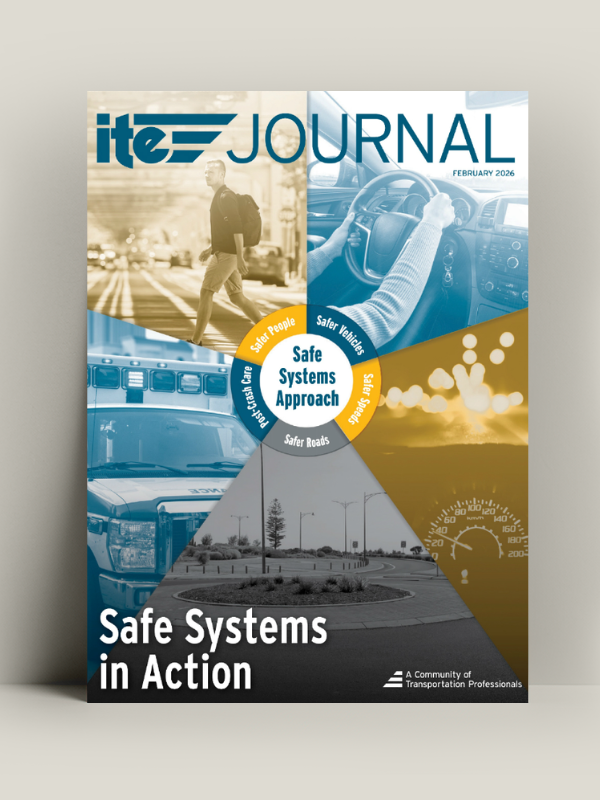
This February 2026 ITE Journal article, “Safer Streets Through Abundance: Aligning Fire Codes, Safety, and Community Goals,” looks at a different path forward: connected street networks that give emergency responders multiple routes, and early collaboration between fire, transportation, planning, and public health teams.
When departments work together from the start, communities can move beyond one-size-fits-all standards and design residential streets that support both emergency response and everyday safety.
Contact us to explore how your community can balance emergency access with safer, more sustainable neighborhood design.
share this article
Contributor

Matt Goyne
Principal
Email Me
Explore More
Growth in Micromobility
The Institute of Transportation Engineers (ITE) Pedestrian and Bicycle Standing Committee developed the Micromobility Facility Design Guide Informational Report, which summarizes potential design challenges micromobility users experience as they travel on typical roadways.

2021 Staff Promotions
As part of the Fehr & Peers culture of empowerment, we congratulate over 130 team members on earning promotions and feature 44 individuals achieving step-level promotions effective July 1.

Safer Today, Stronger Tomorrow
What happens when the safety goals for now and the goals for the future are in conflict? A people-focused Safe System approach considers vulnerabilities today and in the future. Recently adopted as a priority by agencies such as FHWA, Caltrans, the City of Philadelphia, and the Washington State Department of Transportation, safe system is a traffic safety framework emphasizing shared responsibility and a proactive approach where death and serious injury are recognized as unacceptable costs of travel on our roads.