
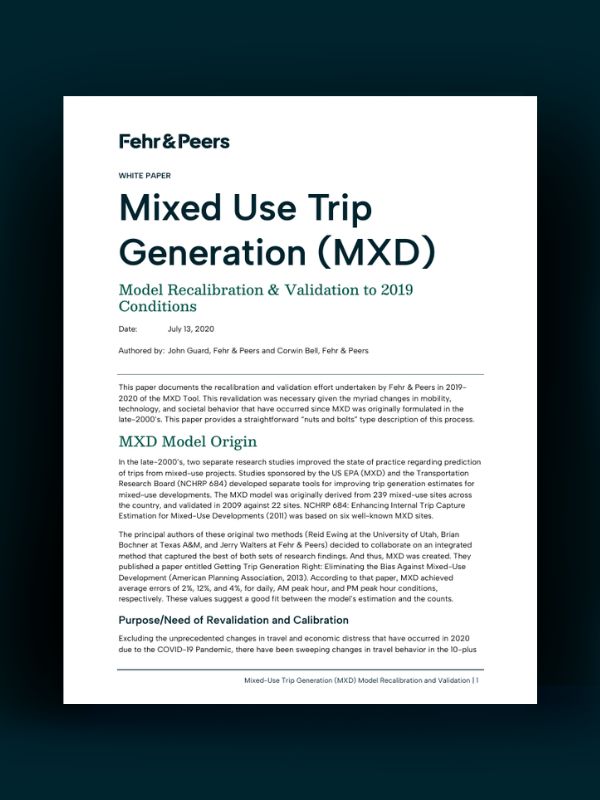
Estimating vehicle trips at mixed-use developments can be challenging. Most traditional trip generation rates are based on single-use suburban sites and don’t account for how people actually travel in mixed-use developments (MXD), where trips can happen internally or by walking, biking, or transit.
This white paper presents how we recalibrated and validated our MXD tool to reflect 2019 travel conditions. The update incorporates changes in travel behavior over the past decade, including the rise of ride-hailing services, e-commerce, telecommuting, and micromobility.
Using observed traffic data from mixed-use sites across the US, the updated MXD model produces more accurate estimates of daily and peak-hour vehicle trips, helping planners and communities better evaluate the transportation impacts of mixed-use developments.
Ready to read the white paper? Click the button below to access.
share this article
Contributor

John Gard
Principal
Email Me
Explore More
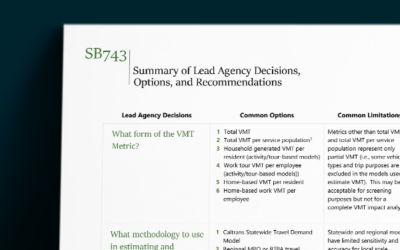
SB 743 Agency Decision Matrix
This guide helps California agencies make informed decisions on how to measure and assess Vehicle Miles Traveled (VMT) for land use and transportation projects, ensuring compliance with SB 743.
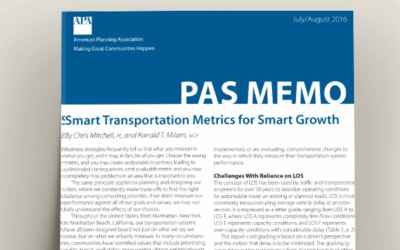
Still Getting Trip Generation Right: Revalidating MXD+
State-of-the-practice analytical methods should be employed when estimating the trip generation of mixed-use projects. In the latest issue of the American Planning Association’s PAS Memo, John Gard and Corwin Bell of Fehr & Peers describe the advantages, analysis techniques, and use of MXD+ through actual site case studies.

Evolving Visual Communications in a Dynamic World
Partnering with our client, we took on new visual communications strategies through the lens of equitable engagement to elevate participation and build energy around safety improvements.