
Planning in Spanish
Planning in Spanish
According to recent Census reports, nearly one out of every five people in the United States speak a language other than English at home. In some communities we serve, this percentage is even higher – nearly 44% of people in California and 55% of people in Los Angeles County speak a language other than English at home. Nationwide, Spanish is by far the most common non-English language.


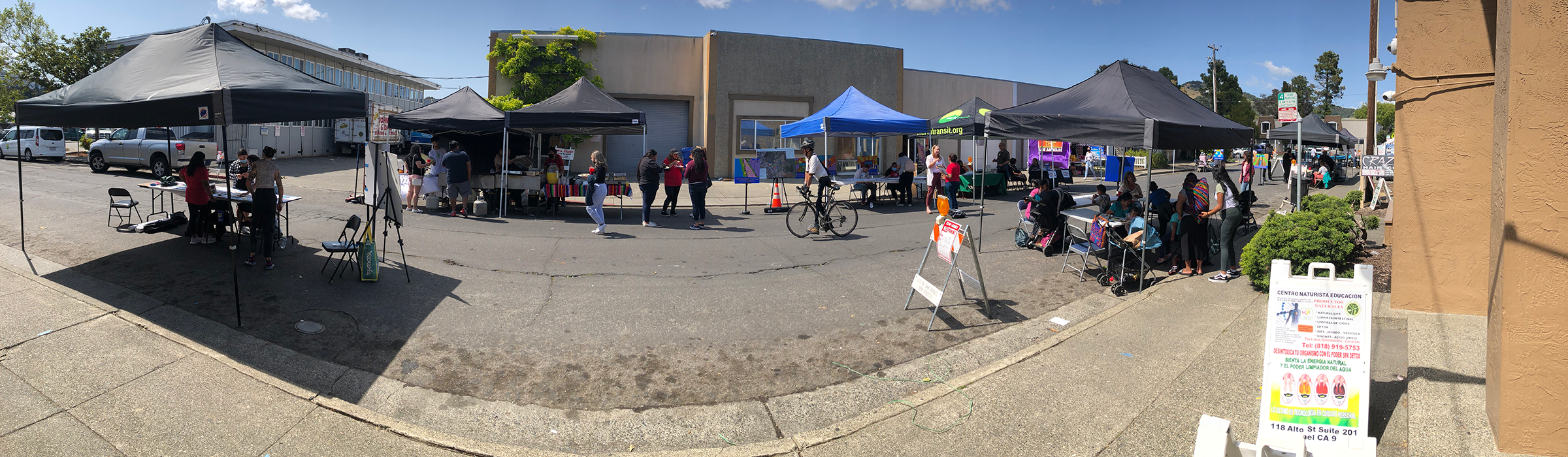
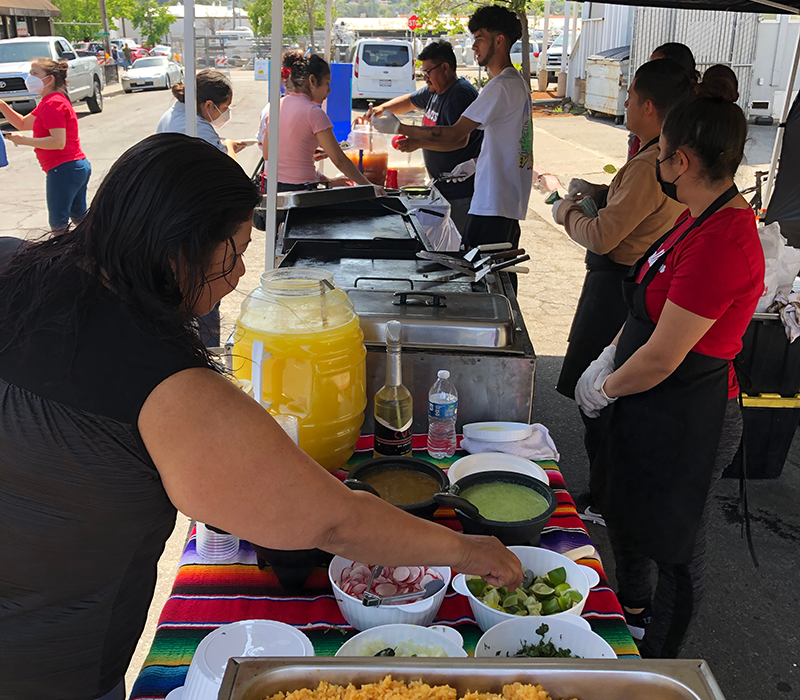
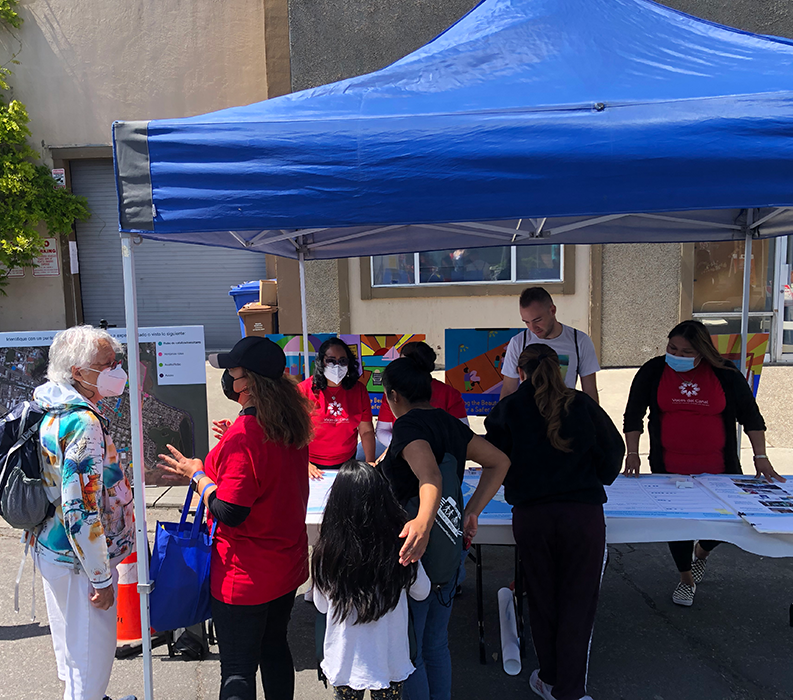
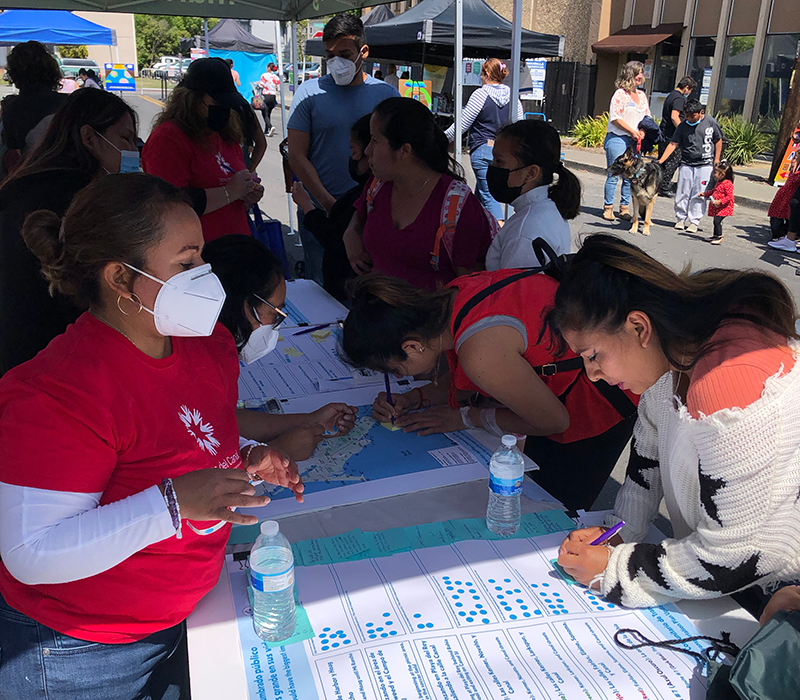
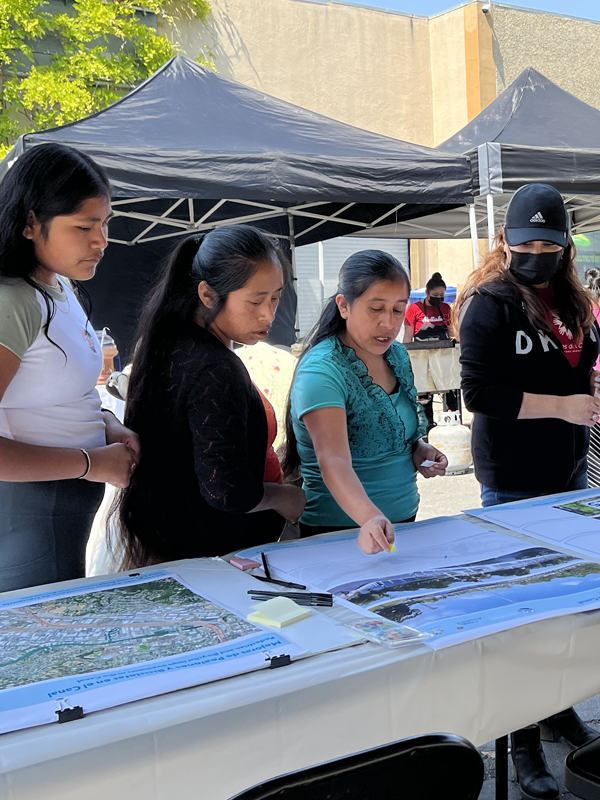
Planning in Spanish meant that community comments, concerns, and ideas were absorbed directly into the plan without anything being lost in translation or oversimplified. CBTPs are typically intended to focus on transportation improvements, but lengthy conversations with community leaders revealed widespread concern about inadequate lighting on residential streets and near transit stops. This nuance was something that might have been ignored or downplayed in a more surface-level, translated survey.
Sharing a Spanish-language plan back with the community also meant that they could maintain ownership of and advocate for implementation of the CBTP after the plan’s publication. The community’s participation and support shown during the Canal planning process and in the months since completion were a major factor in San Rafael’s successful bid for two project implementation grants: one focused on a new bike and pedestrian bridge to improve connectivity to schools and downtown San Rafael, and a second focused on – you guessed it – lighting! Less than a year after completion of the plan, the City of San Rafael is on track to address the Canal’s top two transportation concerns.
Marin County Bicycle Coalition

Congratulations to all of the contributors to the CBTP most especially the members of the community who shared their time and ideas in a process that allowed us to better serve them!
We are excited to share two other efforts that we currently have underway – active transportation plans in Yolo and Merced counties. Both projects include teams that are committed to the idea of planning in Spanish as a way of bringing large Spanish-speaking populations into the decision-making and implementation process. Learn more about the Merced project here. If you would like to explore a more immersive planning style in a different language for your project, contact us!
share this article
Contributors

Grasi Diaz
Transportation Planner
Email Me

Taylor McAdam
Senior Transportation Planner
Email Me

Bob Grandy
Principal
Email Me
Explore More
Model Assessment Criteria for CEQA
Agencies should evaluate their models to ensure they provide reliable forecasts and meet CEQA standards for environmental impact analyses.
VMT Agency Decision Matrix
This guide helps agencies choose the right methods and tools to measure Vehicle Miles Traveled (VMT) for land use and transportation projects, supporting compliance with California’s SB 743.
Street Safety in an Autonomous Vehicle Future
Autonomous vehicles may have the potential to support core elements of the Safe System approach, which strives to eliminate fatal and serious transportation injuries. Fehr & Peers partnered with ITE to publish “Autonomous Vehicle Considerations under a Safe System Framework,” which explores potential AV benefits, risks, and considerations within the Safe System framework.