
Highway Traffic Forecasting
Highway Traffic Forecasting
Whether framed for sustainability, greenhouse gas reduction, safety, or land use efficiency, Vehicle Miles Traveled (VMT) is aligned with the values of many cities, counties, and even states as a critical metric to support desired transportation outcomes. Induced VMT refers to the phenomenon where building or expanding highway capacity can lead to a rise in overall vehicle travel that dampens congestion relief benefits and contributes to higher levels of air pollutant and GHG emissions. Understanding induced VMT becomes imperative for policymakers to address this complex issue while striving for balanced solutions that promote mobility without an overreliance on automobiles.
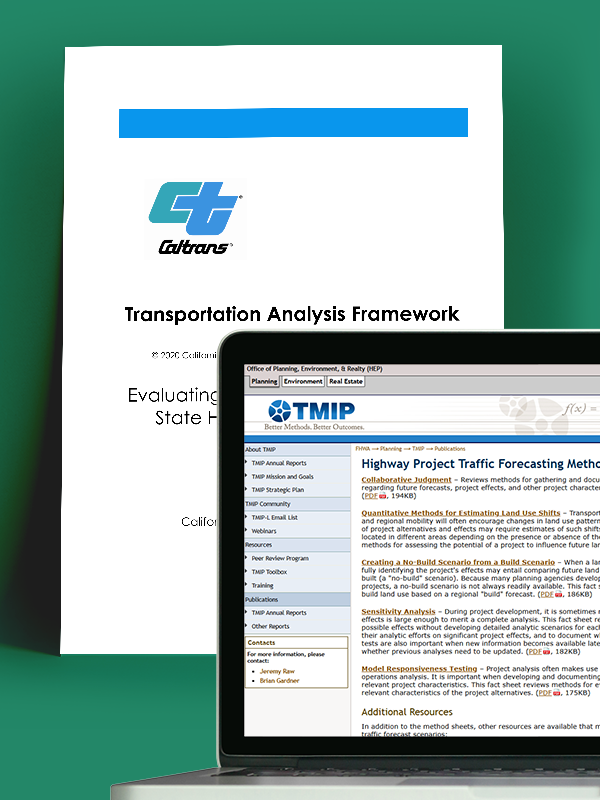
For those interested in induced VMT and how transportation projects contribute to VMT impacts, we are excited to announce a new federal resource as well as California state guidance that includes technical input from our national VMT experts listed below.
share this article
Contributors

Ron Milam
Forecasting Practice Leader
AICP, PTP
Email Me

Jerry Walters
Principal

Chris Breiland
Director of Research & Development
PE
Email Me

Bruce Griesenbeck
Transportation Analyst
Email Me


Explore More
Intern Perspectives: A Summer in Transportation
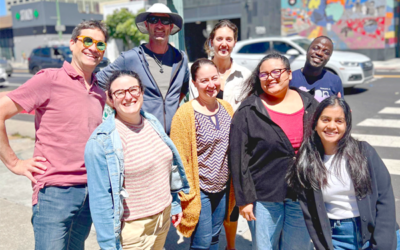
What does a transportation internship actually look like? This summer, 25 interns across 14 of our offices gained hands-on experience with fieldwork, street design, GIS, data analysis, visual communication, client work, and community engagement. See what they learned, what surprised them, and how the experience shaped the way they think about careers in transportation.
Looking at Street Safety Through the Lens of Kinetic Energy
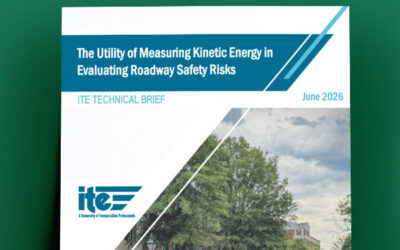
This ITE Technical brief explores how kinetic energy can add another dimension to roadway safety analysis, helping practitioners consider where conditions for serious harm may exist even before severe crash patterns emerge.
Understanding AI’s Role in Transportation Safety
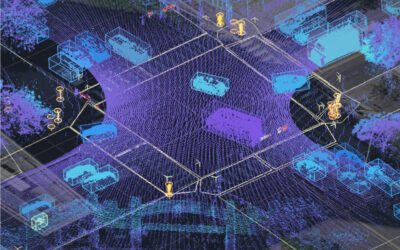
AI is giving transportation safety practitioners new ways to analyze data, detect near misses, and respond to risk before crashes happen. Real-world examples from Bellevue, WA and San Bernardino, CA show where AI-supported technology is delivering value—and where human judgment remains essential for turning data into responsible safety decisions.