
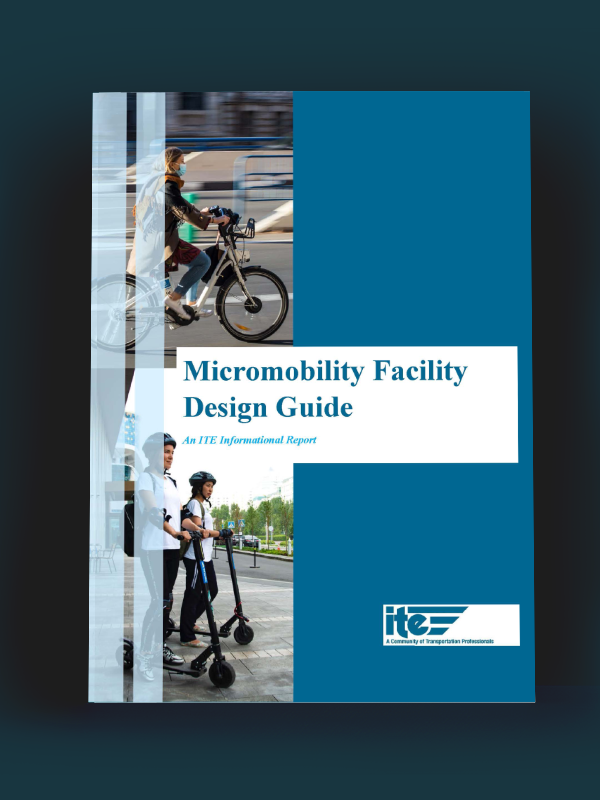
There has been widespread growth of micromobility vehicles in both large cities and small towns. However, these micromobility vehicles use existing right-of-way and transportation infrastructure that was not designed with them in mind. As a direct result of the lack of appropriate guidance on how to design roadways to accommodate the growth in micromobility vehicle use, the Institute of Transportation Engineers (ITE) Pedestrian and Bicycle Standing Committee developed the Micromobility Facility Design Guide Informational Report, which summarizes potential design challenges micromobility users experience as they travel on typical roadways. The report also identifies design solutions with real-world examples to accommodate micromobility. We invite you to explore the full report and continue the conversation with us below.
Looking for more insights?
share this article
Explore More
VMT Mitigation Through Fees, Banks, and Exchanges
On September 27, 2013, Governor Jerry Brown signed SB 743 into law and started a process intended to fundamentally change transportation impact analysis as part of CEQA compliance. These changes include elimination of auto delay, level of service (LOS), and other similar measures of vehicular capacity or traffic congestion as a basis for determining significant impacts. Instead, transportation impacts will be determined based on changes to vehicle miles of travel (VMT).

Jason Miller Joins Fehr & Peers
We’re thrilled to welcome Jason Miller to the team. With a strong background in transit and a holistic approach to projects, we’re excited to bring his local focus and expertise to the Denver and Front Range communities we serve.
Safeguarding Safety for Road Users Now While Planning for an Automated Future
Although there is much uncertainty regarding how autonomous vehicles (AVs) might transform cities and influence roadway safety, our recent ITE Journal article “Safeguarding Safety for Road Users Now While Planning for an Automated Future” published alongside the Eno Center for Transportation explores different safety strategies that are important to consider both today and in an AV future.