
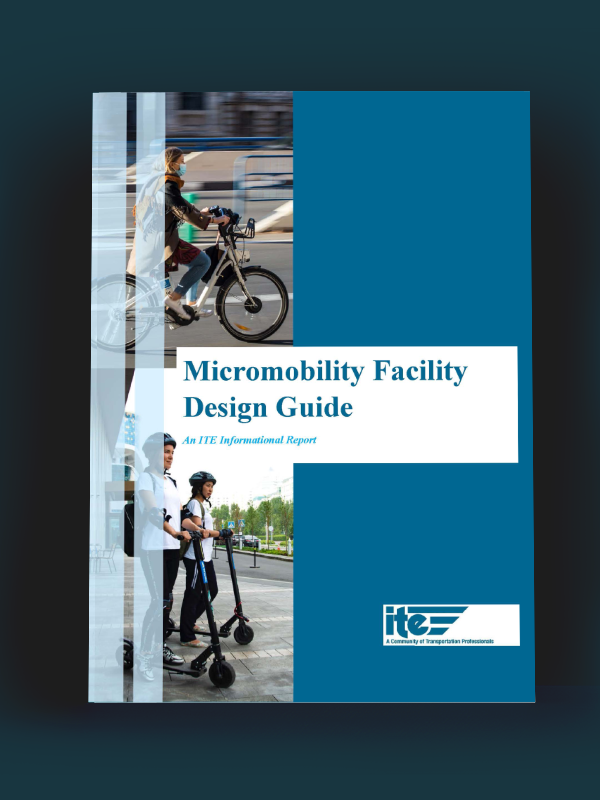
There has been widespread growth of micromobility vehicles in both large cities and small towns. However, these micromobility vehicles use existing right-of-way and transportation infrastructure that was not designed with them in mind. As a direct result of the lack of appropriate guidance on how to design roadways to accommodate the growth in micromobility vehicle use, the Institute of Transportation Engineers (ITE) Pedestrian and Bicycle Standing Committee developed the Micromobility Facility Design Guide Informational Report, which summarizes potential design challenges micromobility users experience as they travel on typical roadways. The report also identifies design solutions with real-world examples to accommodate micromobility. We invite you to explore the full report and continue the conversation with us below.
Looking for more insights?
share this article
Explore More

Fehr & Peers in Dallas, Texas
We are excited to announce our expansion to Texas! With proximity to downtown Dallas, establishing roots here allows us to continue to provide for and deepen our relationships with clients in the DFW Metroplex and beyond.
ITE Safety for Development Projects
Explore ITE’s new technical brief that describes a comprehensive way for public agencies to incorporate the Safe System approach in project reviews, to build proactive, multimodal safety considerations into transportation impact analysis reports.

Encouraging Resiliency During Evacuations
How can a transportation network be enhanced to create better access for moving people safely in an emergency? Learn about a new tool, developed in partnership with the City of Rancho Cucamonga, for evaluating access and egress under different evacuation scenarios.