
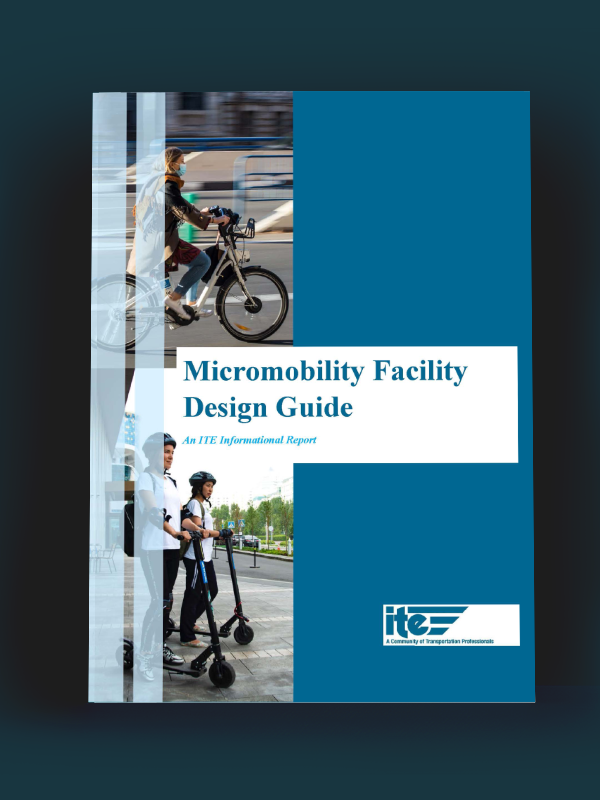
There has been widespread growth of micromobility vehicles in both large cities and small towns. However, these micromobility vehicles use existing right-of-way and transportation infrastructure that was not designed with them in mind. As a direct result of the lack of appropriate guidance on how to design roadways to accommodate the growth in micromobility vehicle use, the Institute of Transportation Engineers (ITE) Pedestrian and Bicycle Standing Committee developed the Micromobility Facility Design Guide Informational Report, which summarizes potential design challenges micromobility users experience as they travel on typical roadways. The report also identifies design solutions with real-world examples to accommodate micromobility. We invite you to explore the full report and continue the conversation with us below.
Looking for more insights?
share this article
Explore More

Evolving Standard Validation Practices for Traffic Data: Part 2
In part two of a series on evolving traffic validation, we examined StreetLight as a potential source for larger samplings of turning movement volume estimates to overcome the limitations of using one- or two-day counts.

Leveraging Oregon Metro’s TSMO Strategy to Advance Regional Equity
Recipient of a “Diversity, Equity, and Inclusion Award” from the National Operations Center of Excellence, read how Oregon Metro developed a first-of-its-kind transportation systems management and operations (TSMO) strategy that focuses on the importance of evaluating the needs of an entire community.
Quantifying Greenhouse Gas (and VMT) Mitigation Measures
We are excited to share the release of an update to the CAPCOA Quantifying Greenhouse Gas Mitigation Measures. Over the past decade, practitioners have relied heavily on this key reference document for developing VMT and emissions mitigation measures.