
The Ws of Safety: Treating the System, Not the Symptom
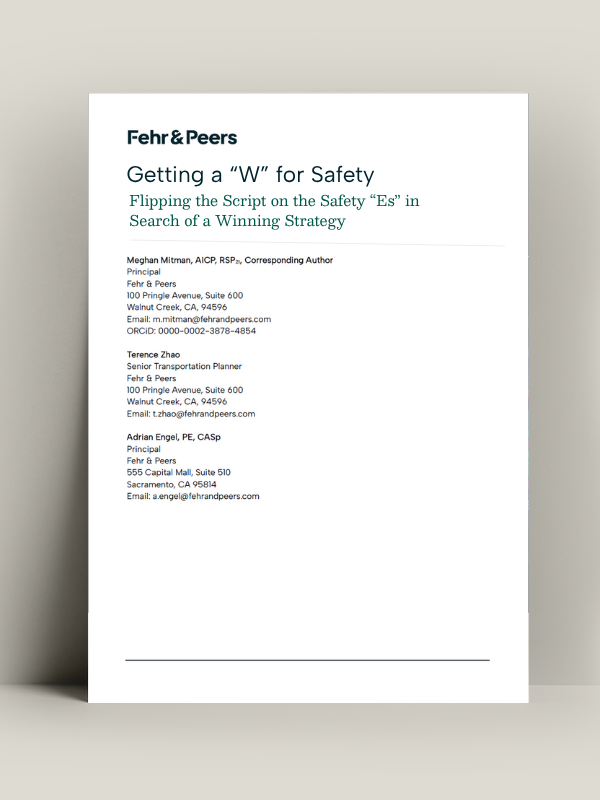
The Ws of Safety: Treating the System, Not the Symptom
The US is entering its second decade of Vision Zero, a road safety initiative designed to eliminate all traffic-related deaths and serious injuries. But the conversation has evolved.
For years, transportation professionals relied on the traditional Es of safety—engineering, education, enforcement, and emergency services. These reactive measures, while important, often operate in silos and miss the bigger picture of how transportation systems as a whole can reduce risk.
A new article in the Transportation Research Record (TRR), authored by several of our safety experts, shifts the focus from Es to the Ws—asking who, what, when, where, and why. The Ws of Safety framework can help uncover systemic risks and guide upstream interventions on the road to Vision Zero.
For transportation planners, engineers, and public agencies, the takeaway is clear: Vision Zero 2.0 requires more than refining the old tools. It calls for embedding the Safe System Approach into everyday practice and addressing systemic issues to shape roadway safety long before a crash occurs.
The Ws of Safety can help us achieve these goals.
Read Getting a “W” for Safety: Flipping the Script on the Safety “E”s in Search of a Winning Strategy:
share this article
Contributors

Meghan Mitman
Regional Principal-in-Charge
Email Me

Terence Zhao
Senior Transportation Planner
Email Me

Adrian Engel
Principal
Email Me
Explore More
VMT Mitigation Through Fees, Banks, and Exchanges
On September 27, 2013, Governor Jerry Brown signed SB 743 into law and started a process intended to fundamentally change transportation impact analysis as part of CEQA compliance. These changes include elimination of auto delay, level of service (LOS), and other similar measures of vehicular capacity or traffic congestion as a basis for determining significant impacts. Instead, transportation impacts will be determined based on changes to vehicle miles of travel (VMT).
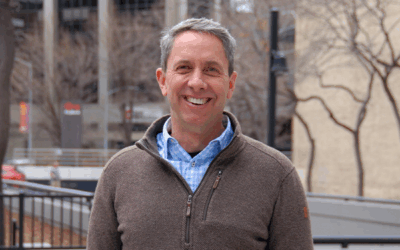
Jason Miller Joins Fehr & Peers
We’re thrilled to welcome Jason Miller to the team. With a strong background in transit and a holistic approach to projects, we’re excited to bring his local focus and expertise to the Denver and Front Range communities we serve.
Safeguarding Safety for Road Users Now While Planning for an Automated Future
Although there is much uncertainty regarding how autonomous vehicles (AVs) might transform cities and influence roadway safety, our recent ITE Journal article “Safeguarding Safety for Road Users Now While Planning for an Automated Future” published alongside the Eno Center for Transportation explores different safety strategies that are important to consider both today and in an AV future.