
Evolution of Quick-Build Bikeways
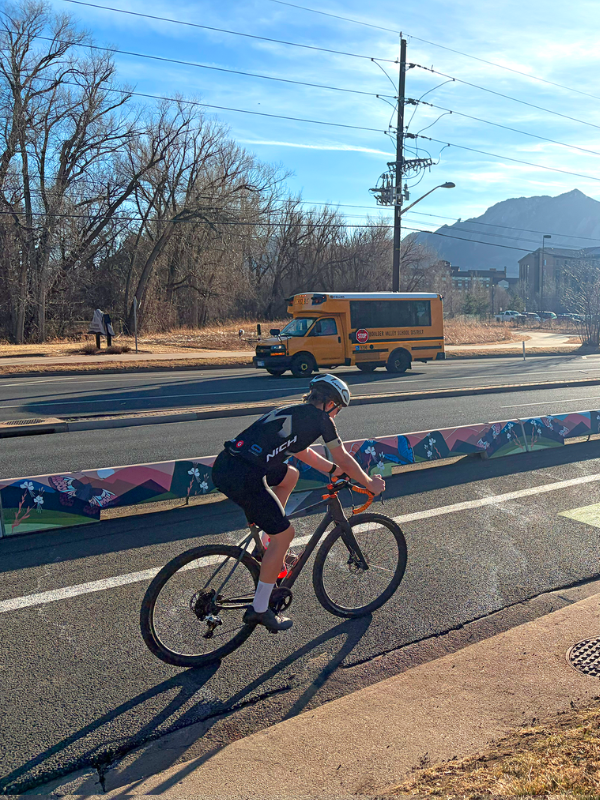
The first wave of quick-build materials like flexible posts, striping, and temporary barricades are versatile and allow for quick construction, but they aren’t as durable or inviting to a wide range of users as newer materials.
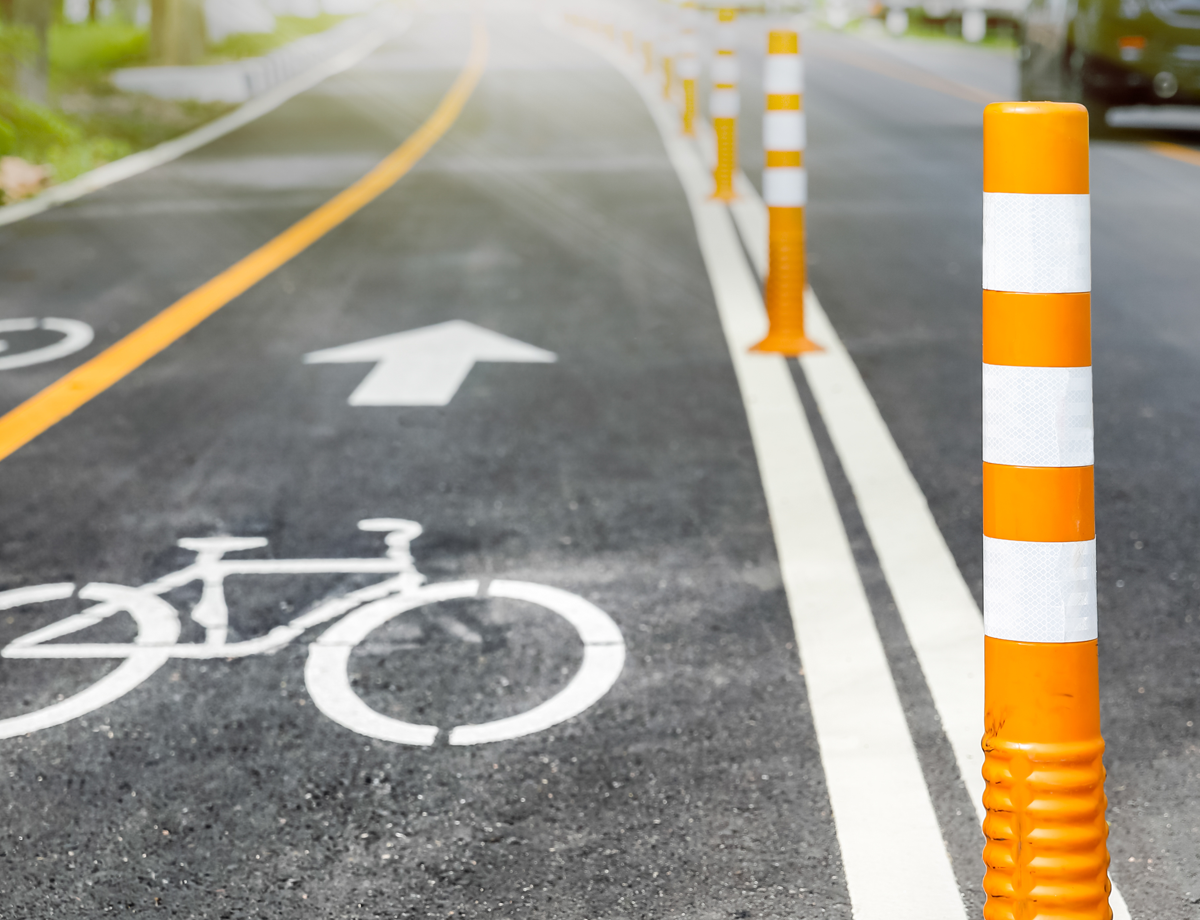
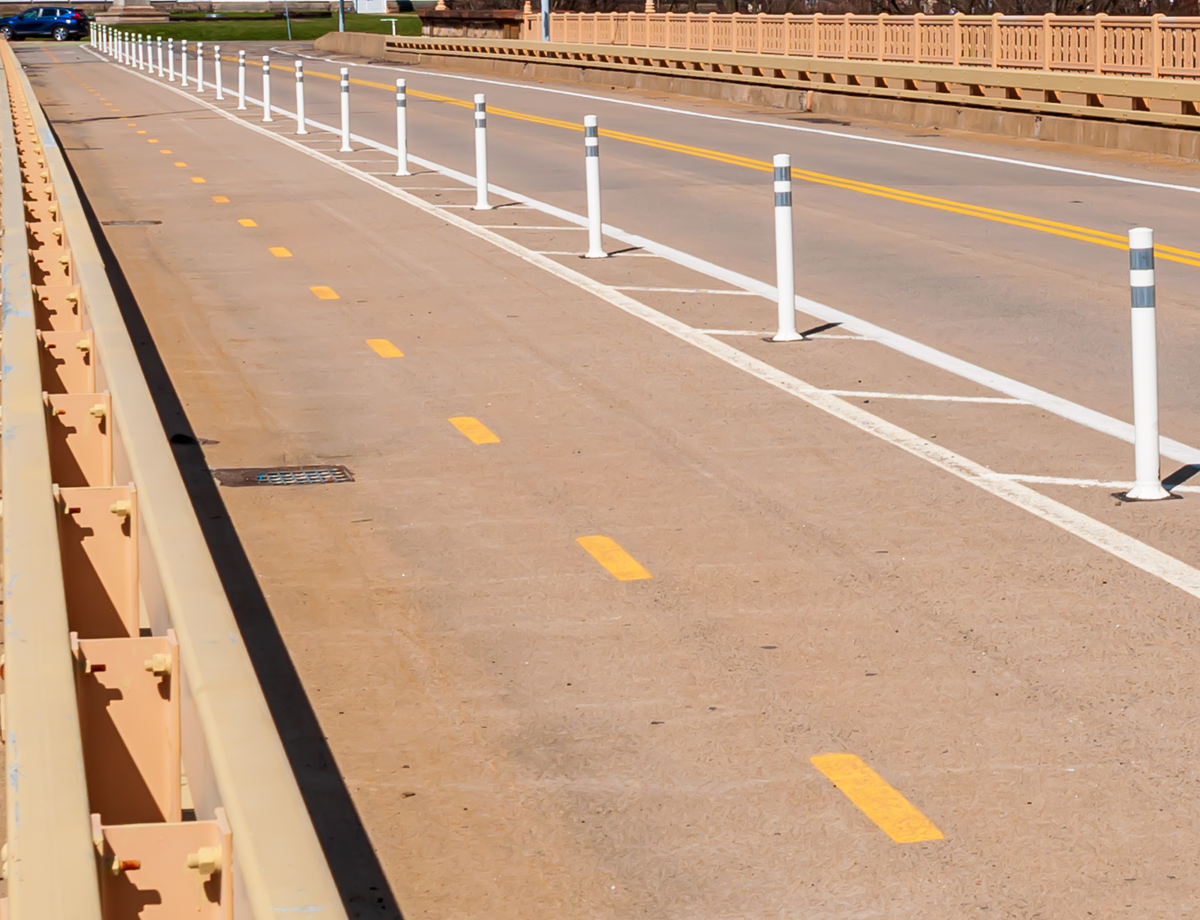
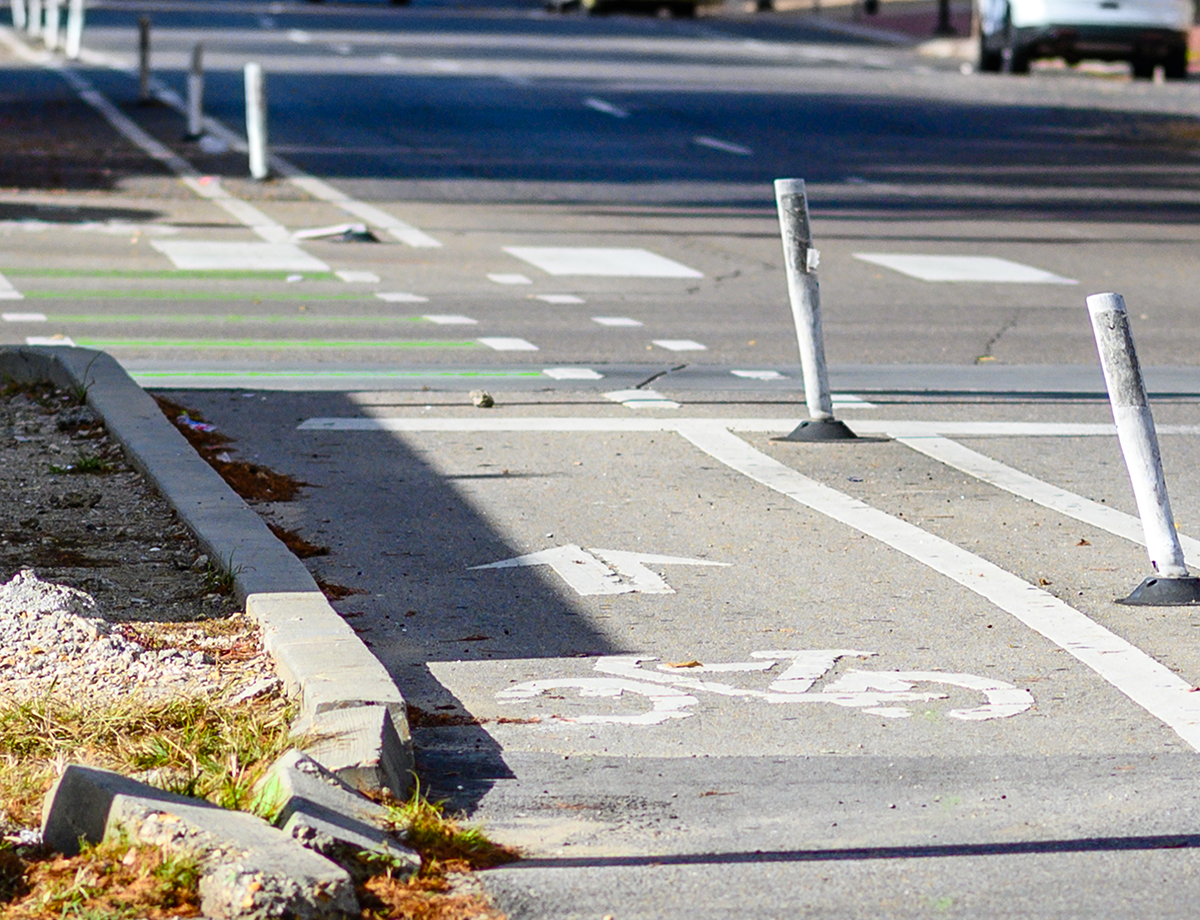
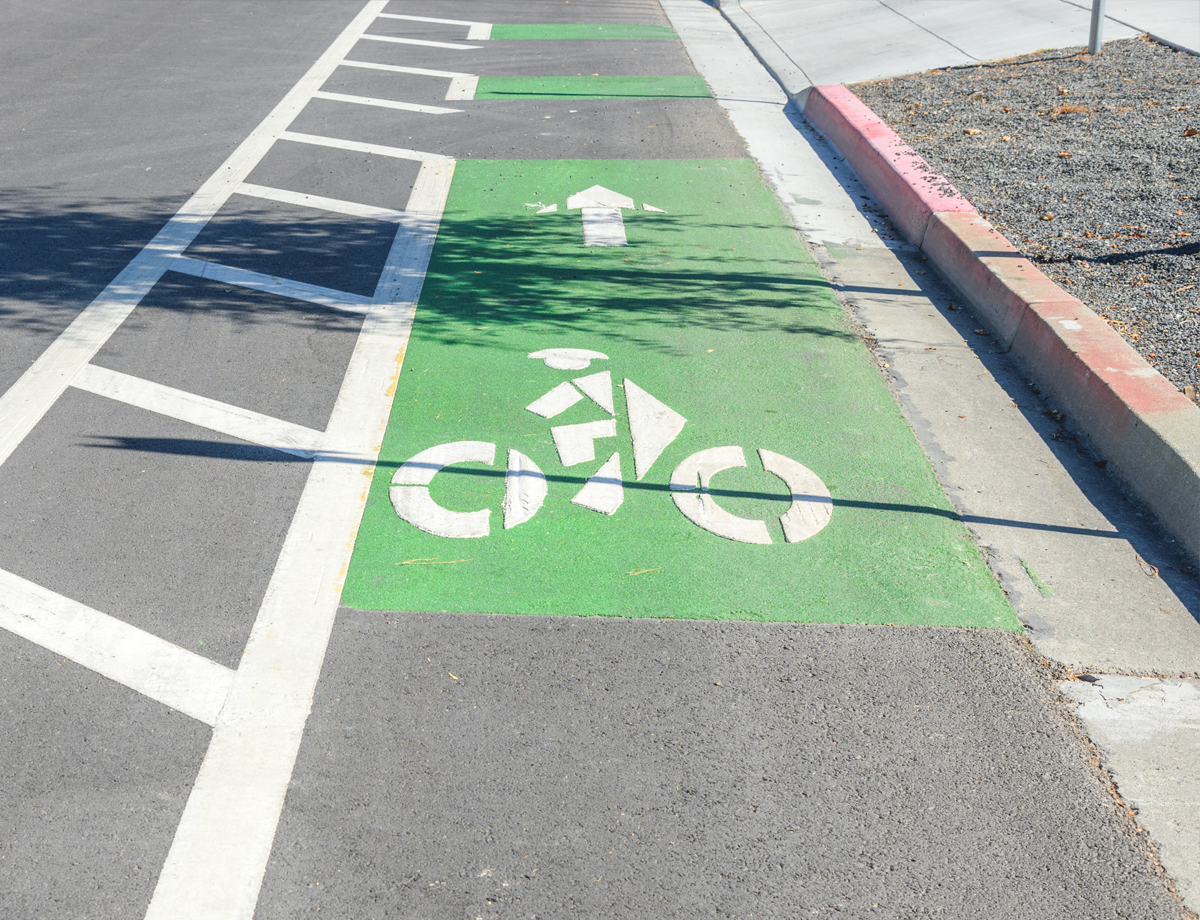
Why Material Selection Matters
Thoughtful choices help agencies:
- Bridge funding gaps by extending the life of quick-build projects until permanent reconstruction is feasible.
- Pilot complete street concepts at scale in safe, efficient, and compelling ways.
- Demonstrate results that help decision-makers build support for long-term, permanent investments.
- Build public trust in infrastructure investment choices with materials that are durable, low maintenance, and well-integrated into streets and communities.
- Improve people’s experience on the street with materials that feel protective, comfortable, and reliable for all, regardless of a person’s age or ability.
Introducing a Quick-Build Materials Toolbox for Bikeways
Our Quick-Build Materials Toolbox for Bikeways highlights materials that fit a range of budgets, timelines, and goals for durability, maintenance needs, and aesthetics. It is designed to help public agencies compare options and select the right fit for their project goals.
Toolbox in Action
We and our partners have several projects under design or construction throughout the US. See some of these materials from the Toolbox in current designs, and stay tuned for built pictures coming this year!
Protected Bikeway with Extruded Curb
Santa Monica, CA
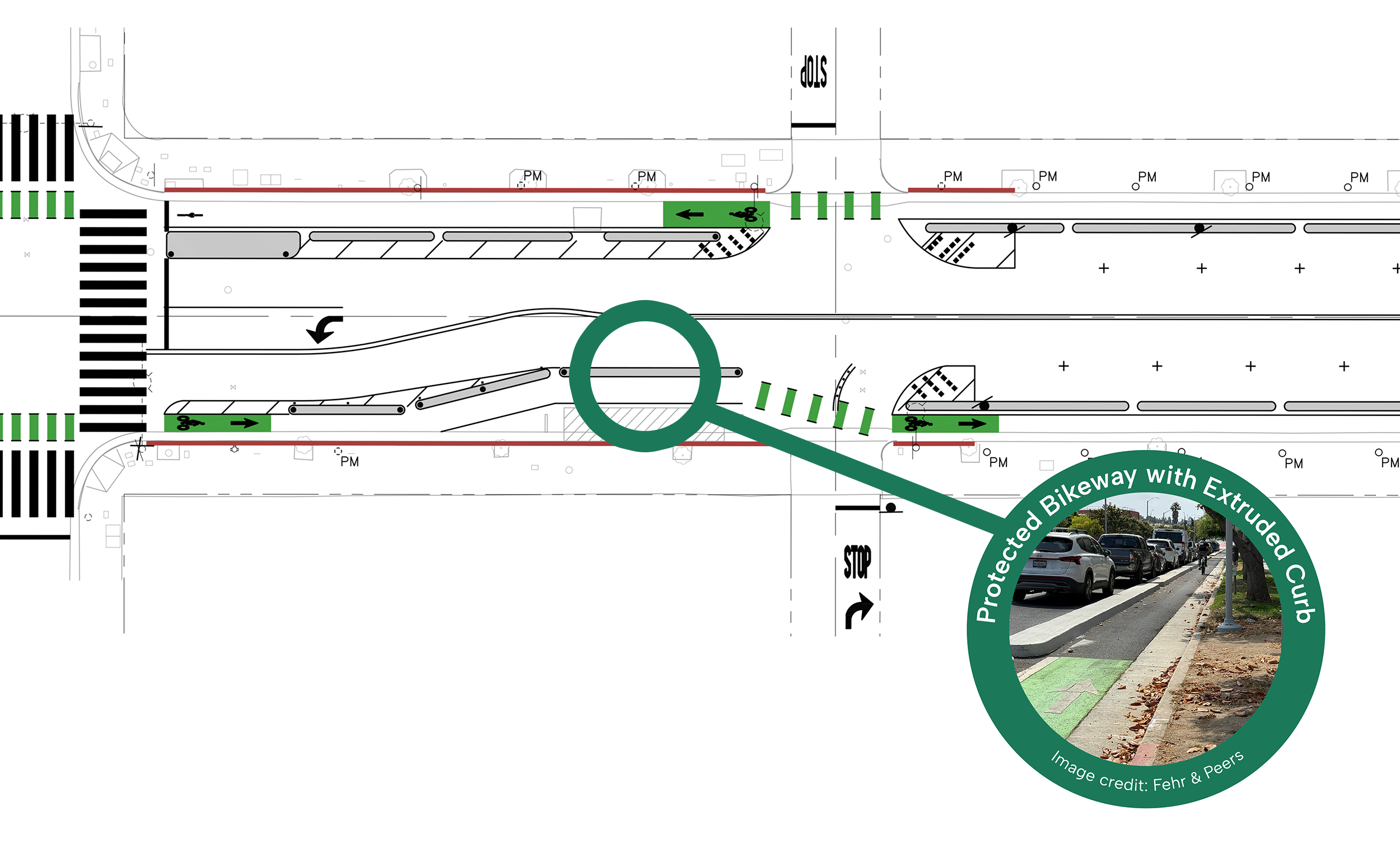
Draft designs by Fehr & Peers. Final design subject to change.
Image credit: Fehr & Peers
Extruded Curb and Self-watering Planters
West Hollywood, CA
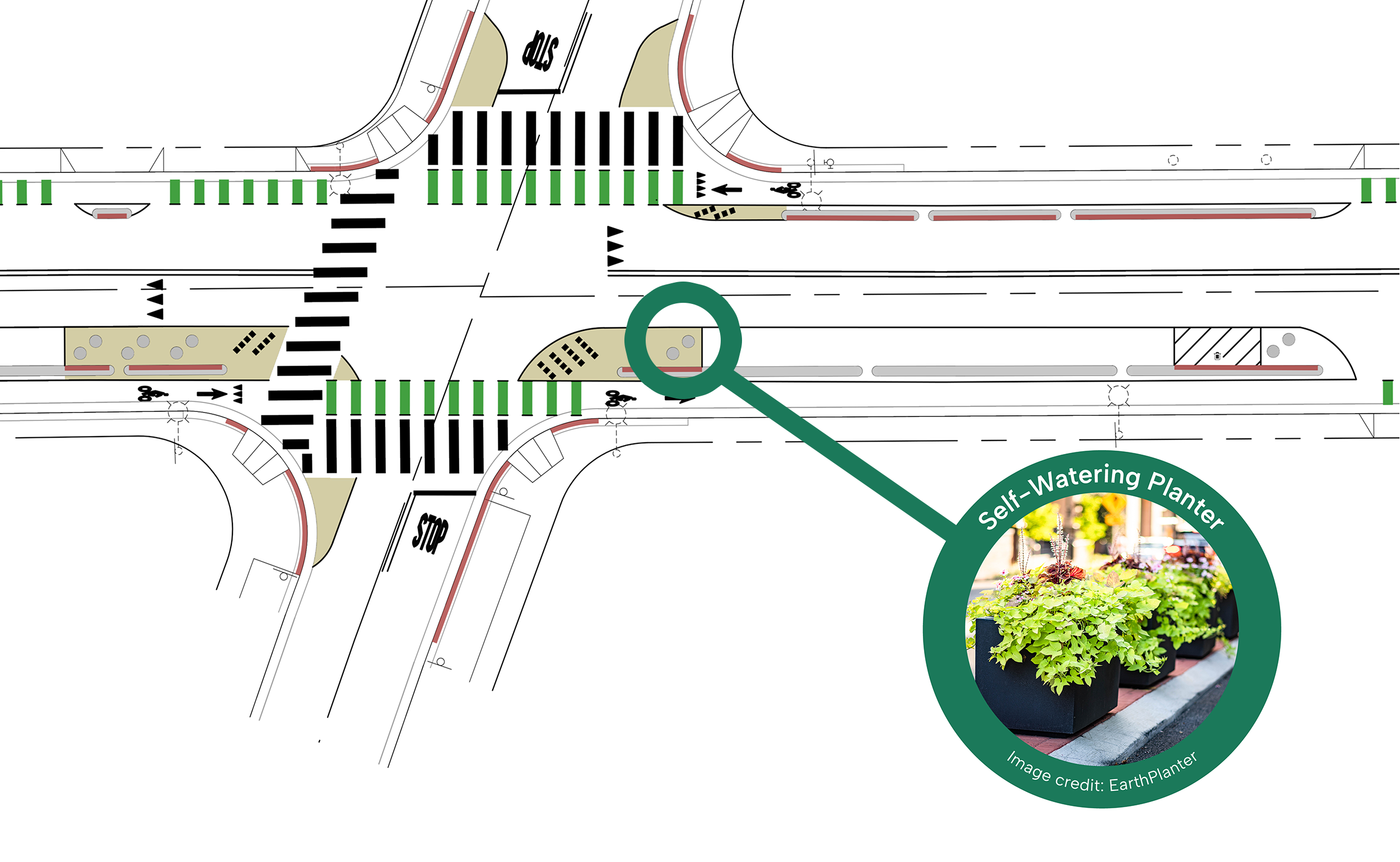
Draft designs by Fehr & Peers. Final design subject to change.
Self-watering planter image credit: EarthPlanter
Fountain Avenue in West Hollywood pairs extruded curb with self-watering planters. The planters reinforce curb extensions, reduce vehicle encroachment, and add greenery to the corridor. Their built-in water reservoirs lower long-term maintenance needs (and costs) and create a streetscape that feels more welcoming.
Precast Curbs for Protected Bike Lanes
Dallas, TX
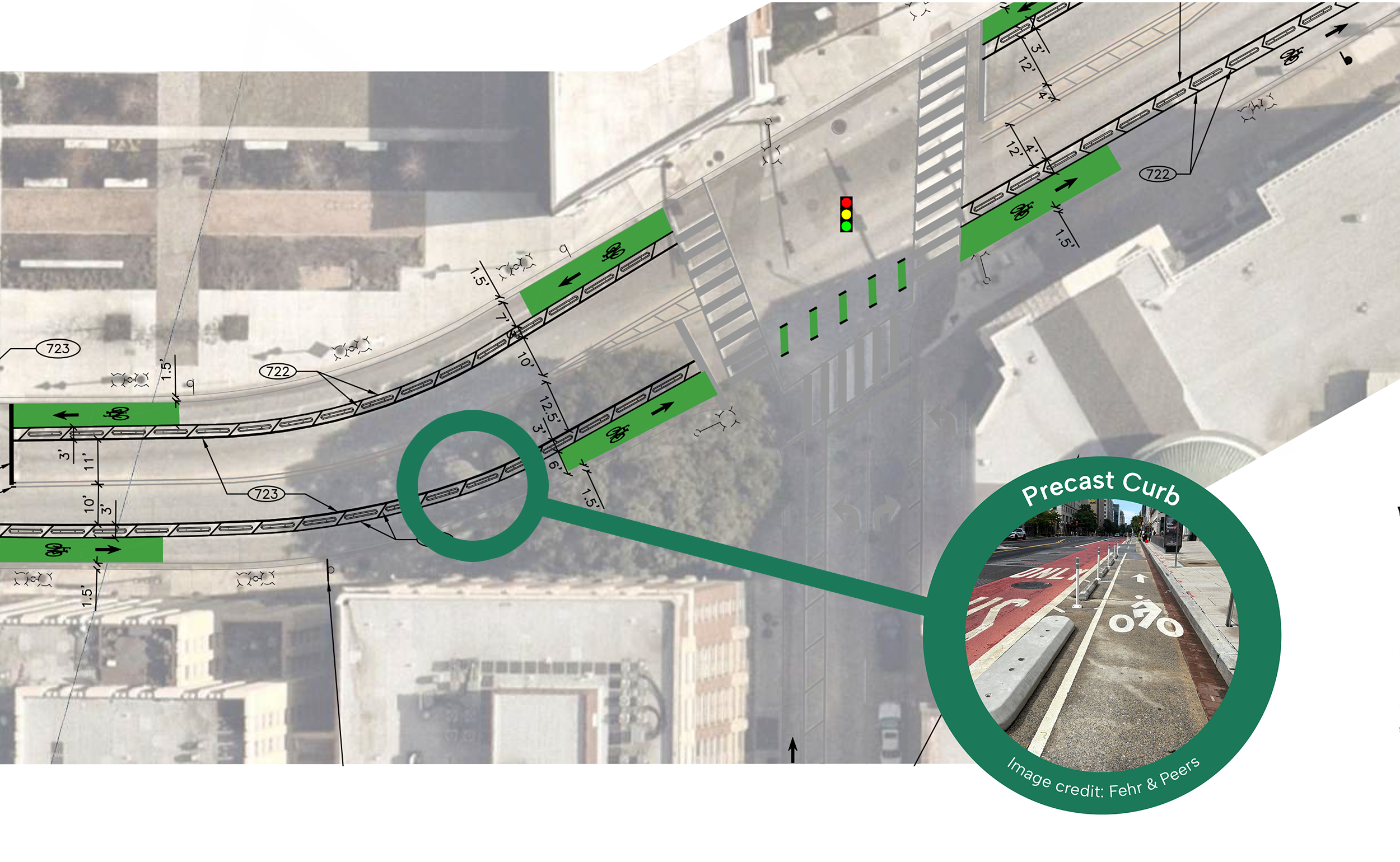
Draft designs by Fehr & Peers. Final design subject to change.
Image credit: Fehr & Peers
share this article
Contributors

Josh Peterman
Principal
PE, RSP1
Email Me

Kendra Rowley
Senior Associate
PE
Email Me

Natalie Chyba
Senior Associate
PE
Email Me

Danielle Caparas
Engineer/Planner
EIT
Email Me
Explore More
2025 Staff Promotions
We’re excited to recognize our team members who were promoted in 2025. Thank you for all you do!
Join Us at ITE Western 2025 | June 29-July 2
We are looking forward to joining peers across the region at the 2025 ITE Western District Annual Meeting to share ideas, practical tools, and approaches that support safer, more inclusive transportation systems.
Post-COVID Pandemic National Travel Changes
America’s travel habits changed during COVID, and some of those changes have become permanent. The ITE Journal offers an updated look at these ongoing trends.