
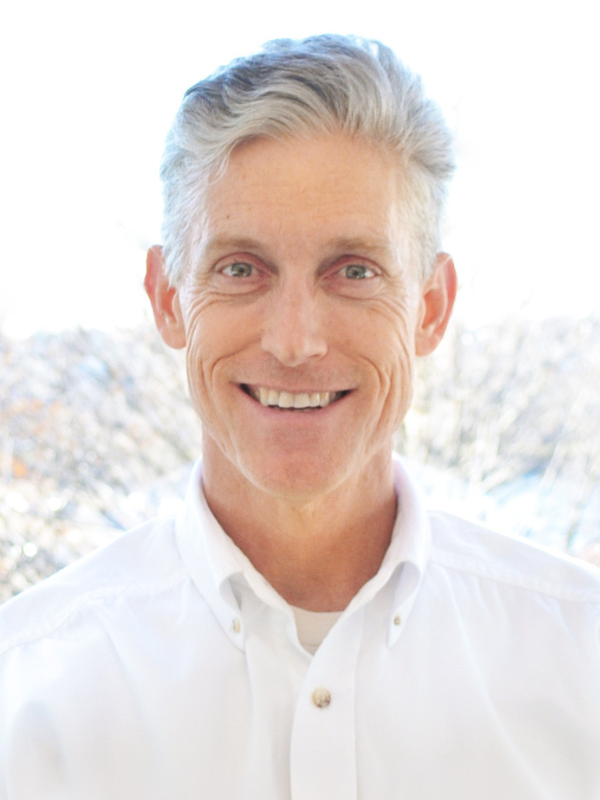
As Utah and other fast-growing regions continue to evolve, agencies are facing increasingly visible freight and transportation challenges across their communities.
Responding effectively requires solutions that are technically grounded, realistic to implement, and responsive to local priorities. Ready to help address those challenges, we are excited to welcome Dan Andersen to our Salt Lake City office.
Helping Communities Navigate Freight
Dan brings over two decades of transportation planning experience and a national perspective shaped by leading freight planning efforts for states, regions, inland ports, and major corridors across the country. His work also includes contributions to Federal Highway Administration (FHWA) guidance related to truck parking safety and freight environmental efficiency; that guidance helps agencies better understand where, how much, and what type of truck parking is needed.
Dan has addressed freight challenges ranging from truck parking shortages along major interstate corridors to the infrastructure needs of growing industrial and logistics centers. In dense urban and industrial areas, those challenges are especially difficult to solve, shaped by limited land, high property costs, development patterns, and the needs of the people who rely on the system every day.
By connecting freight data, stakeholder input, and implementation needs, Dan helps agencies identify strategies that support economic activity, improve conditions for truck drivers, and reduce impacts on nearby neighborhoods.
Solutions That Start with Listening
While freight is a central part of Dan’s practice, his experience extends across many areas of transportation planning. He has led efforts to prioritize investments, advance rail and corridor planning efforts, develop multimodal plans, and coordinate multistate initiatives.
Regardless of the project, Dan’s approach is grounded in listening. Early in his transportation career, that commitment led him to help establish the Las Vegas chapter of the International Association for Public Participation (IAP2). Today, it continues to shape how he collaborates with agencies, businesses, and community members to understand priorities before recommending solutions.
That approach will continue to shape his role in Utah. Dan will help guide the continued growth of our goods movement practice and support partners such as Utah Department of Transportation, the Utah Inland Port Authority, and municipalities across the state.
Having recently moved from Las Vegas to Salt Lake City, Dan is looking forward to staying connected to the Southwest’s landscapes while building new relationships throughout the region. Outside of work, he enjoys spending time with his grandkids and exploring the region through canyoneering and outdoor adventures.
We’re excited to welcome Dan to the team.
share this article
Explore More

Cathleen Sullivan Joins Fehr & Peers
Our new Principal Cathleen Sullivan brings a practical, people-centered approach to transit and multimodal planning, helping Bay Area agencies turn complex ideas into progress.

Get a First Look at the Generative AI Policy Starter Kit
We helped develop a new Generative AI Policy Starter Kit through ITE. Explore the Quick Bite and ITE Journal article now, and stay tuned for the full kit.
Intern Perspectives: A Summer in Transportation
What does a transportation internship actually look like? This summer, 25 interns across 14 of our offices gained hands-on experience with fieldwork, street design, GIS, data analysis, visual communication, client work, and community engagement. See what they learned, what surprised them, and how the experience shaped the way they think about careers in transportation.