
Coordinating the Curb, Not Just Reacting to It
Coordinating the Curb, Not Just Reacting to It
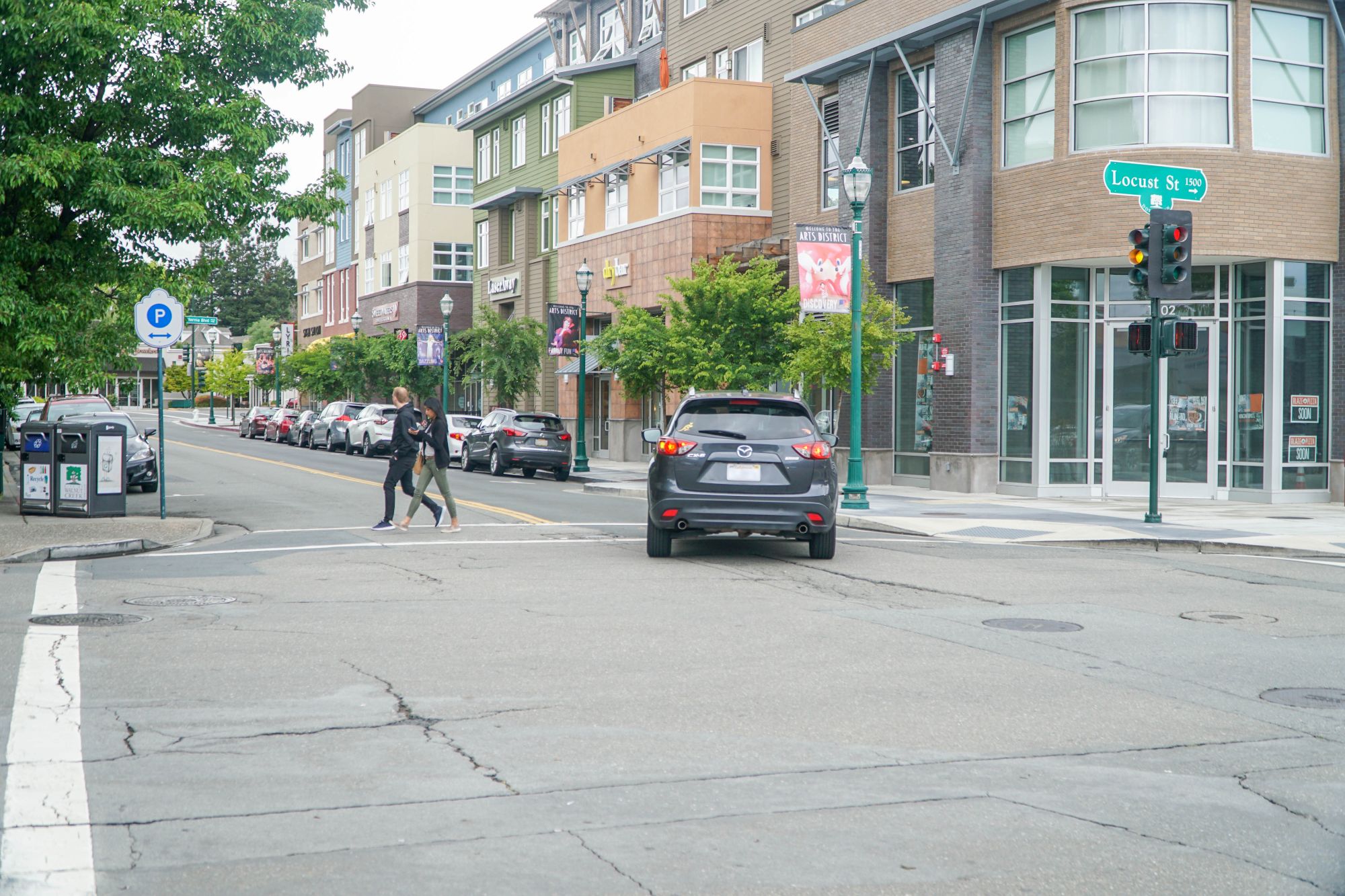
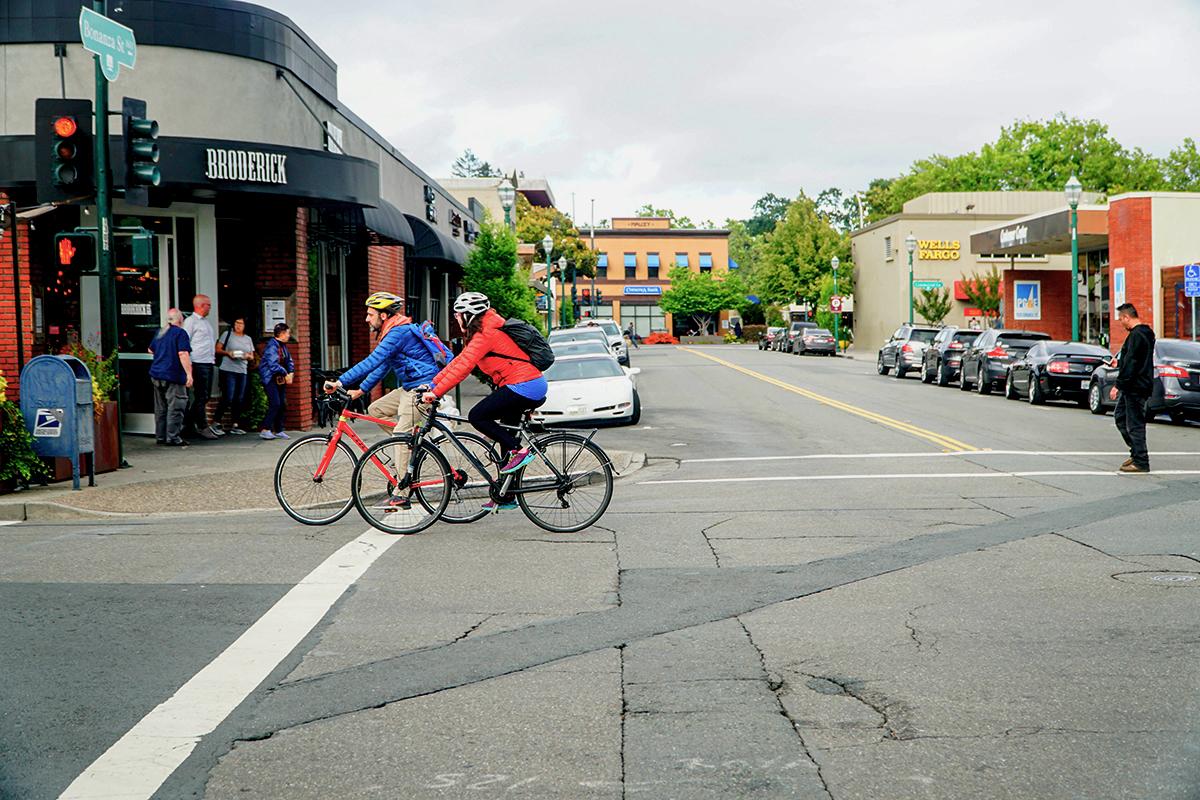
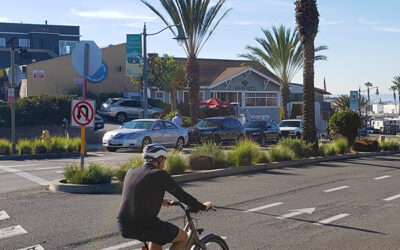
Locust Street in downtown Walnut Creek, California
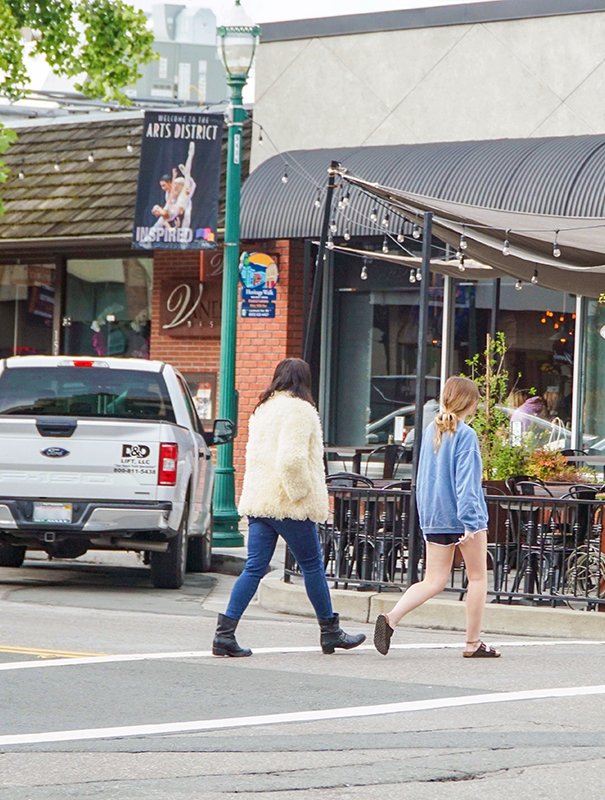
When curb management is reactive and only parking-focused, the consequences show up quickly. Vehicles stop in crosswalks. Bike lanes become blocked. Businesses compete for loading space. Safety goals stall. Political tension rises as each decision feels like a tradeoff.
For public agencies, the deeper challenge is not simply how space is used, but how decisions about the curb are made. Without a shared framework, even well-intentioned improvements can conflict with one another.
Recognizing this complexity, the City of Walnut Creek, California (located in the suburbs of the San Francisco Bay Area) took a proactive look at how its downtown curbs could better support safety, access, and long-term vitality. With clear goals in mind, and grounded in data and stakeholder input, they focused not just on individual blocks, but on how the curb functions as part of a broader system.
The Curb in Context: Walnut Creek
Downtown Walnut Creek blends regional destinations with everyday local activity. Its compact core, anchored by proximity to the Walnut Creek BART station and nearby medical buildings, draws visitors, workers, and residents throughout the day.
In fact, the city’s population nearly doubles during the day, underscoring the importance of accessibility and functionality. Within just a few downtown blocks, restaurants, retail, services, and transit all rely on the same limited curb space.
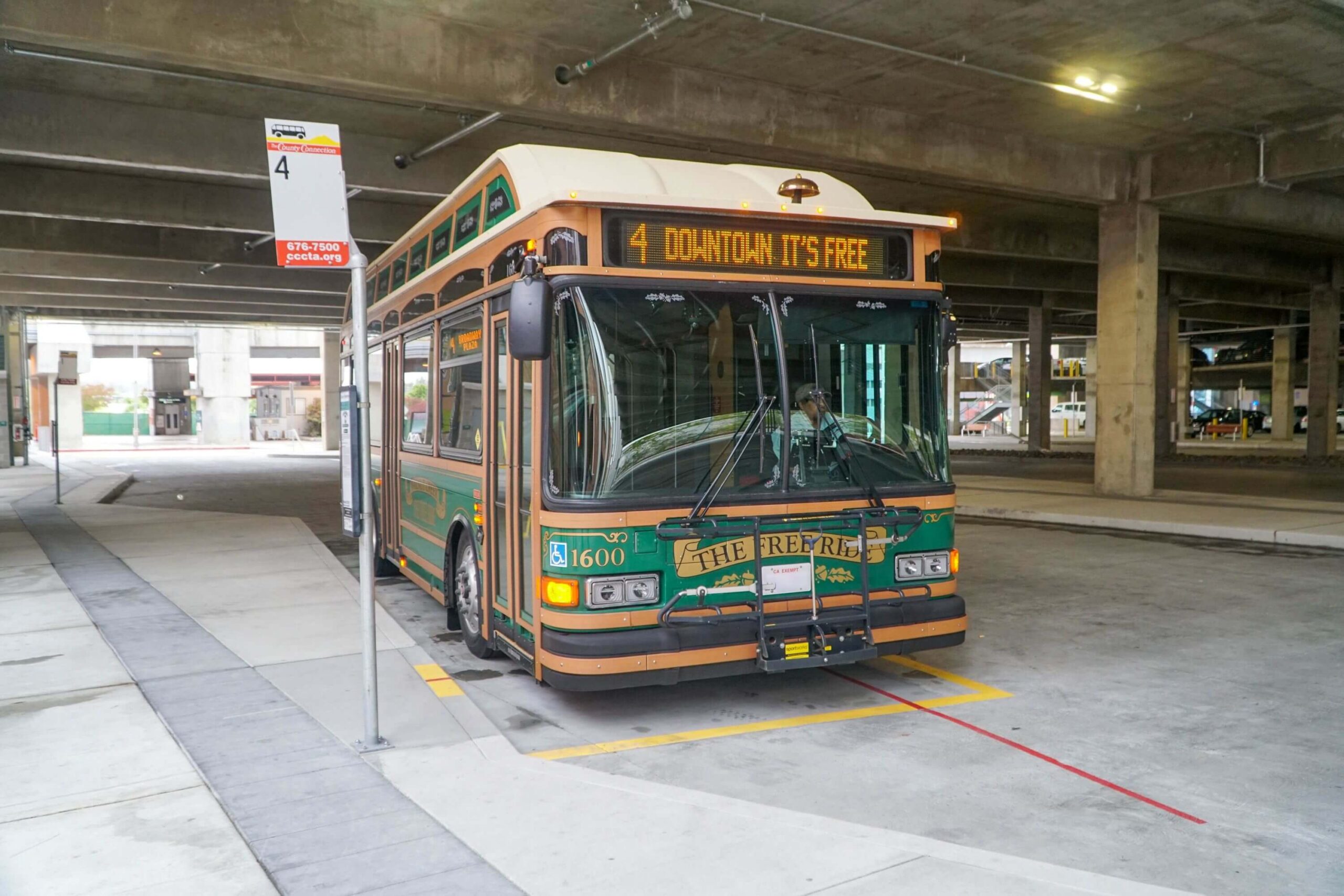
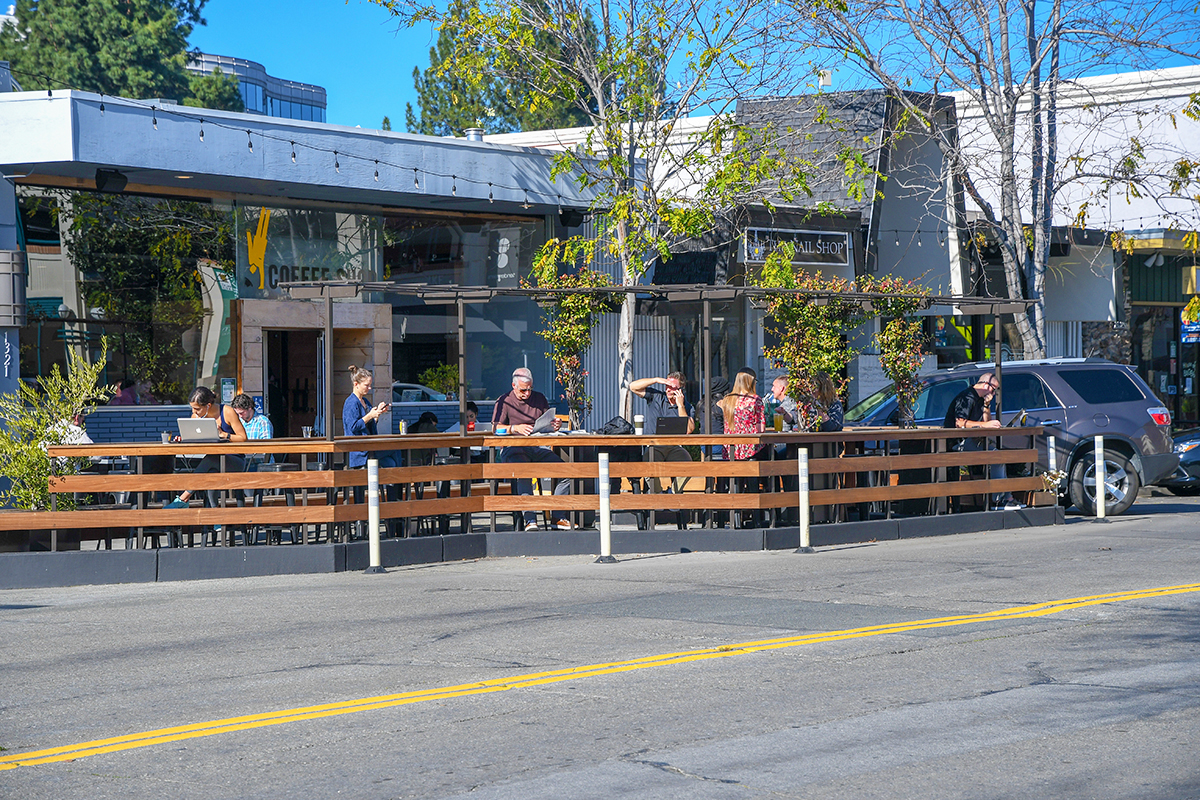
This creates a curb that feels full and competitive, even when the broader system has room. With this data in hand, we collaborated with the community to multi-solve for the many priorities and opportunities the curb could bring to downtown, while exploring some fresh ideas along the way.
The Turning Point: From Managing Space to Advancing Outcomes
A key step in the process occurred during a collaborative goal-setting and visioning exercise with City leadership and staff. Through this discussion, shared priorities were clarified and curbside decisions were more directly connected to the City’s broader vision for downtown.
The conversation moved beyond “How do we manage parking and loading?” to a more fundamental question: How can the curb improve safety, support businesses, and adapt as needs change?
Rather than treating the curb as a set of regulations to adjust block by block, the City began to see it as a way to advance adopted goals. That meant bringing together:
- Safety goals from the Local Roadway Safety Plan
- Bicycle and pedestrian connectivity priorities
- Accessibility objectives
- Local economy and business needs
- Transit-Oriented Communities goals
All of these became part of the same conversation. This allowed staff from different departments to align around shared priorities, rather than working from a different playbook.
Data and public engagement reinforced this reframed approach. Parking and turnover analysis clarified where demand was concentrated and where flexibility existed. Input from City departments, businesses, healthcare providers, transit agencies, advocates, and community members surfaced shared friction points and shared priorities.
What emerged was not just a set of recommendations, but a clearer framework for governing curb decisions over time. This provided City staff with a more consistent basis for prioritizing investments and coordinating across departments.
Walnut Creek’s Path Forward
This outcome-based approach led to a set of 18 recommendations, each aligned with City goals. Just a few examples of those recommendations include:
Recommendations & Aligned Goals
Tab through a few examples of curbside actions that support and move multiple City goals forward through one coordinated approach.
Aligned Goals: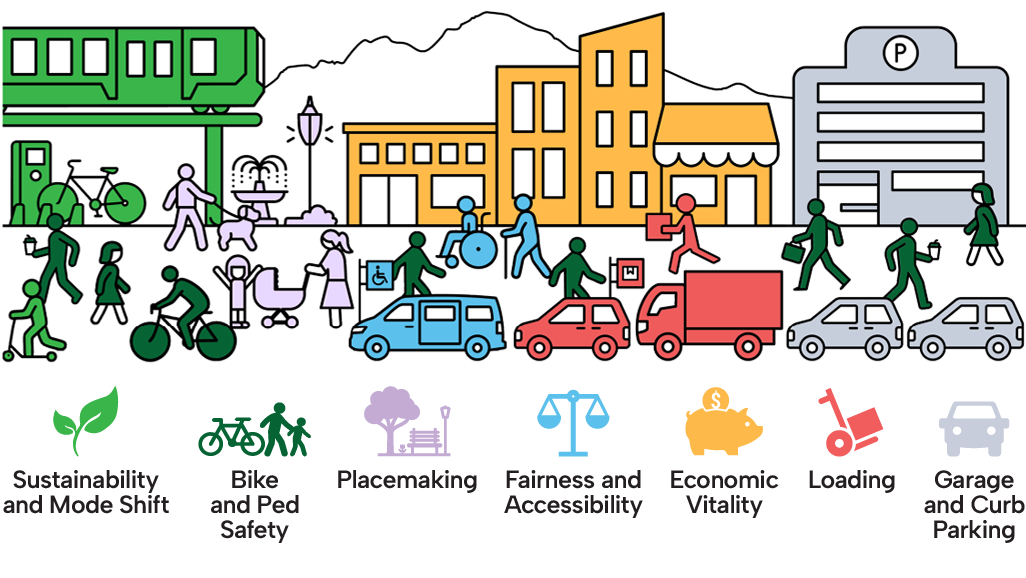
AV Arrival
Prepare policies, that regulate where and when AVs can pick-up, drop-off, wait, and idle or circulate when they are empty.
Aligned Goals: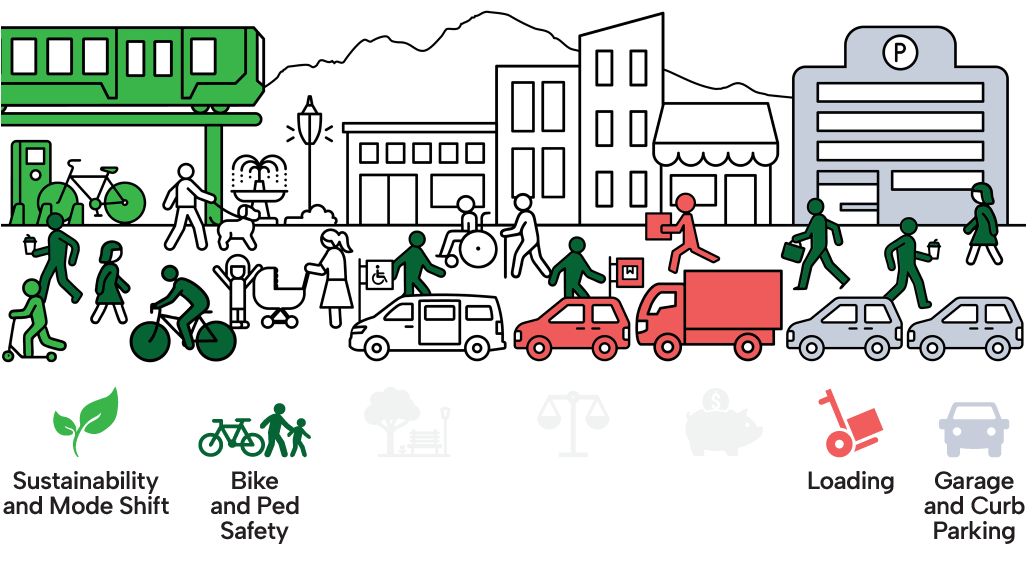
Curb Extensions
Curb extensions and visibility improvements aligned with Local Roadway Safety Plan priorities.
Aligned Goals: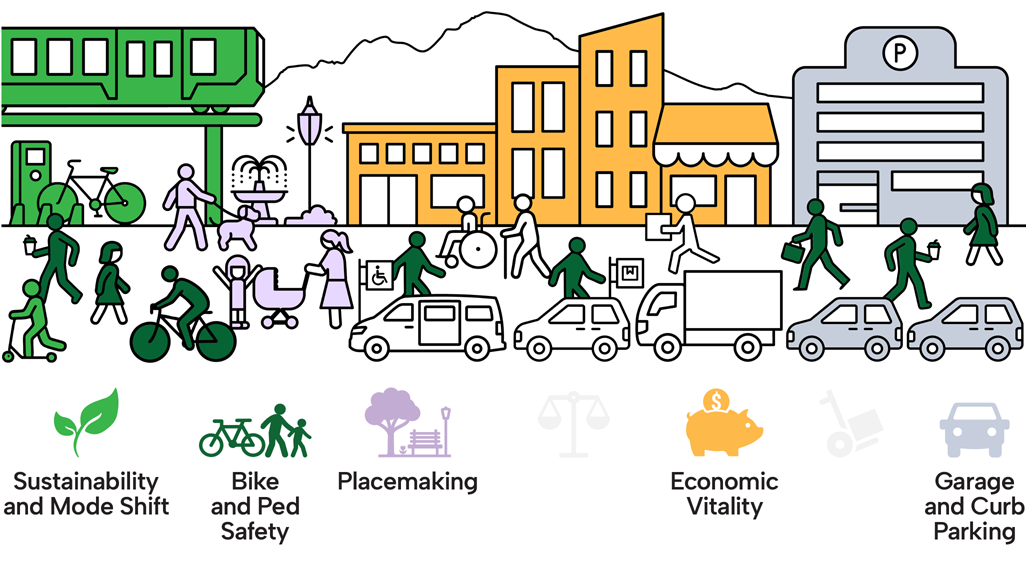
Improve Wayfinding
Wayfinding and signage changes to better direct visitors to parking garages and reduce unnecessary circling downtown.
Aligned Goals:
Loading Zones
Clearer loading and delivery management to reduce conflicts at the curb for businesses, visitors, and service providers.
Aligned Goals: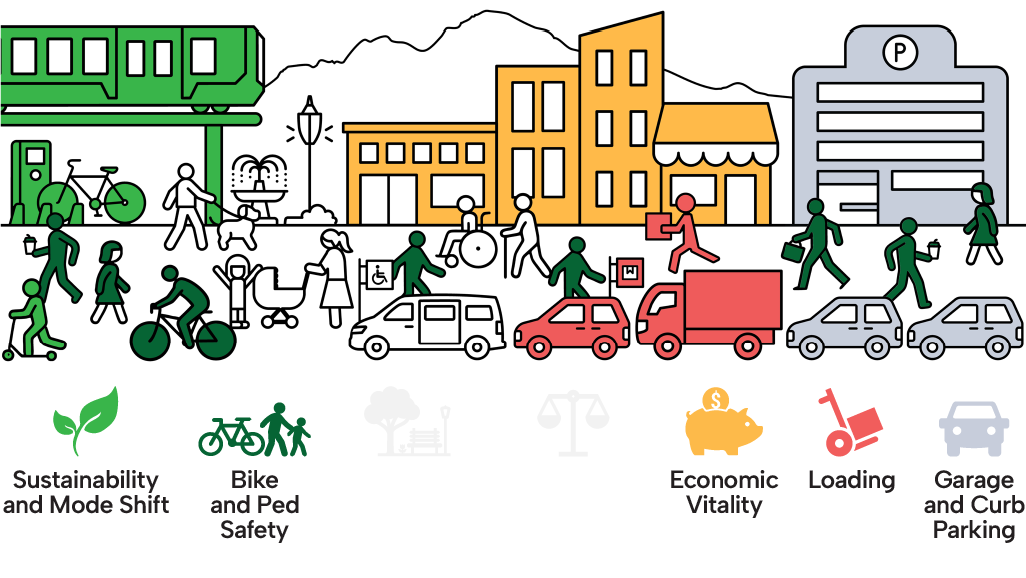
Placemaking Features
Strategic curb reconfiguration to support walking, biking, outdoor activity, and downtown vitality over time.
Aligned Goals: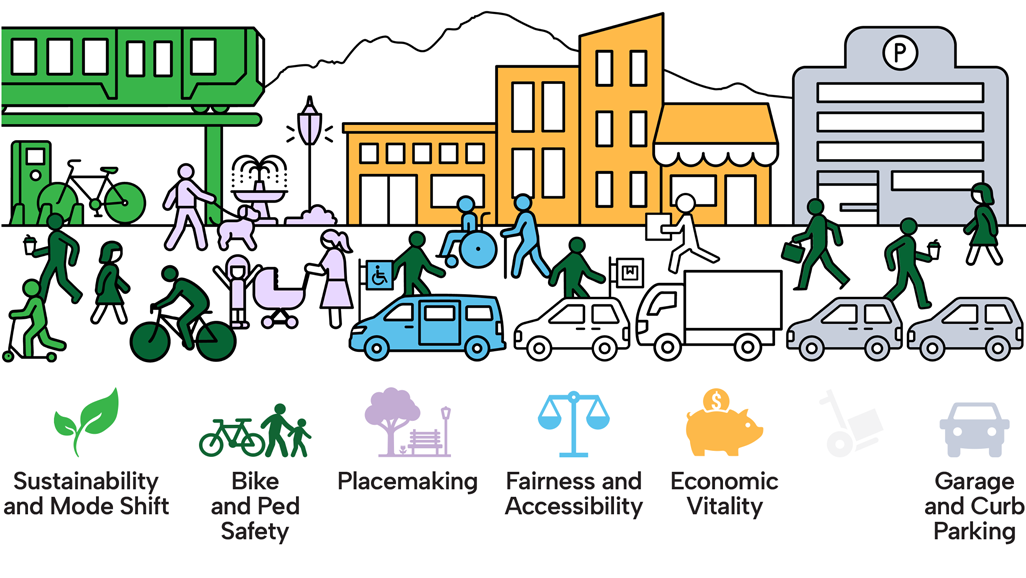
View all 18 recommendations in the Walnut Creek Curbside Management Plan Recommendations Guide.
The recommendations were designed to be implemented over time, allowing the City to advance near-term improvements while planning for longer-term investments. Together, they form a flexible roadmap that can adapt to funding realities and evolving priorities.
Applying These Insights Beyond Walnut Creek
By using the curb to connect existing plans, the City created a clearer path for prioritization and implementation.
Walnut Creek’s experience offers broader lessons for similar communities ready to level up their curb goals and tools:
- Start with outcomes, not curb uses: Inventory matters, but priorities should guide decisions.
- Align curb decisions across departments and adopted plans: The real risk is not misuse of space, but siloed decision-making that prevents alignment.
- Plan for flexibility: Design frameworks that can adapt to new mobility patterns, including emerging technologies like AVs.
When approached this way, the curb becomes more than just a space to park a car. It becomes a practical tool for advancing safety, improving access, supporting businesses, and reinforcing a downtown that works better for everyone.
share this article
Contributors

Meghan Mitman
Regional Principal in Charge
Email Me

Terence Zhao
Senior Transportation Planner
Email Me

Kellie Dugdale
Senior Transportation Planner
Email Me
Explore More
Evolution of Quick-Build Bikeways
Quick-build projects have come a long way from their paint-and-plastic beginnings. Our Toolbox gives public agencies a practical way to compare quick-build materials for bikeways that balance budgets, timelines, durability, and aesthetics.
Stacking Benefits: The Role of Land Conservation in VMT Mitigation
What six California case studies reveal about how conservation might reduce driving, and when it might not.
Big Data and Transportation: From Questions to Confidence
Our team helped the City of Hermosa Beach develop a data-driven framework for transportation planning and monitoring to keep local residents informed.