
A New Narrative for Decision Makers

A New Narrative for Decision Makers
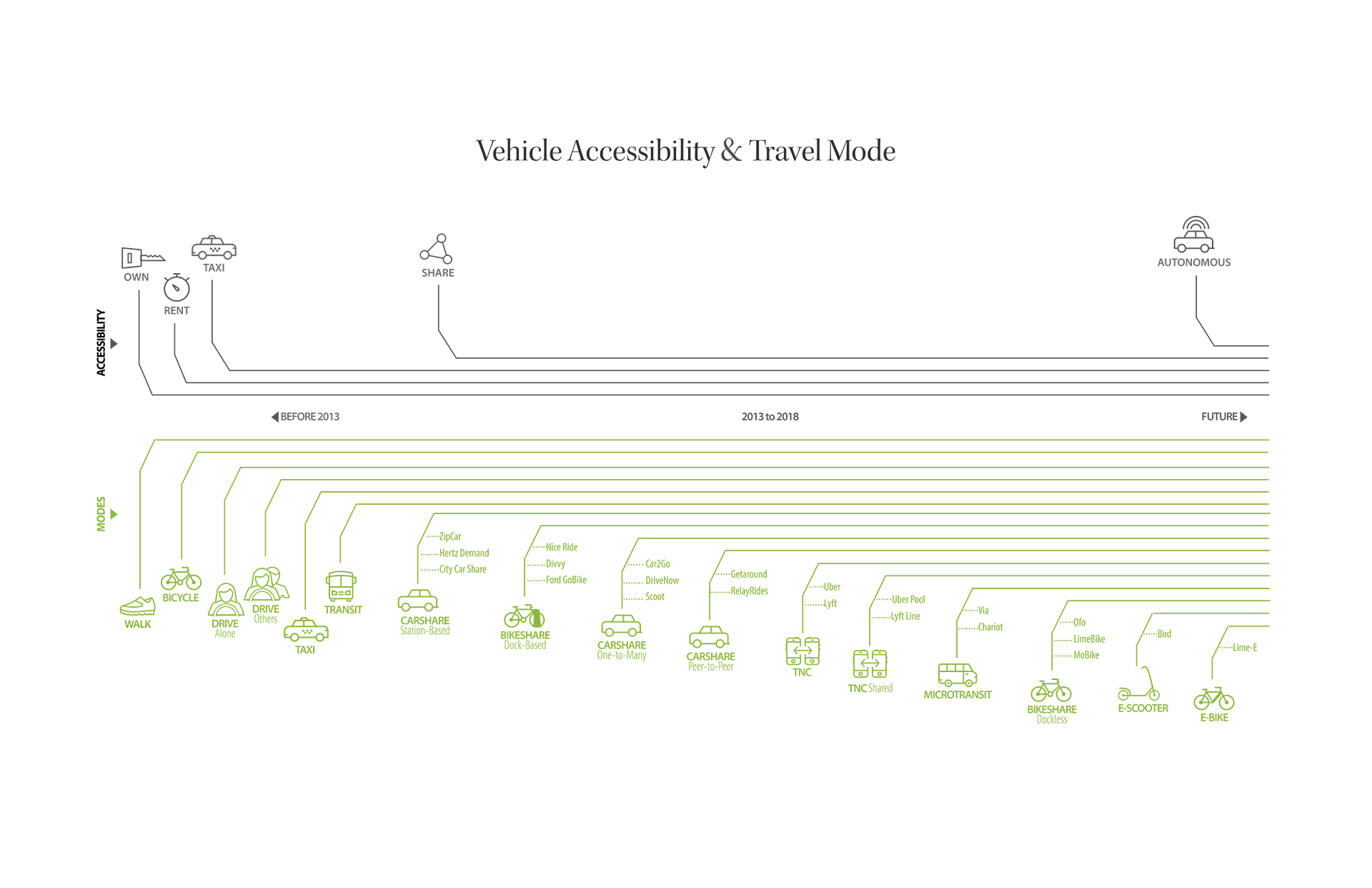
Are we using the right metrics?
Putting all of this together suggests that focusing on congestion as a problem may not provide a complete picture for transportation analysis. Evolving our metrics to more accurately define transportation problems and better account for capacity, emissions, and energy efficiency will likely be necessary for the next 100 years. While we generally understand there are greater efficiency benefits in both space and emissions for shared modes, our transportation plans rarely measure relevant metrics or display efficiency results in the most meaningful way for the public and decision makers.
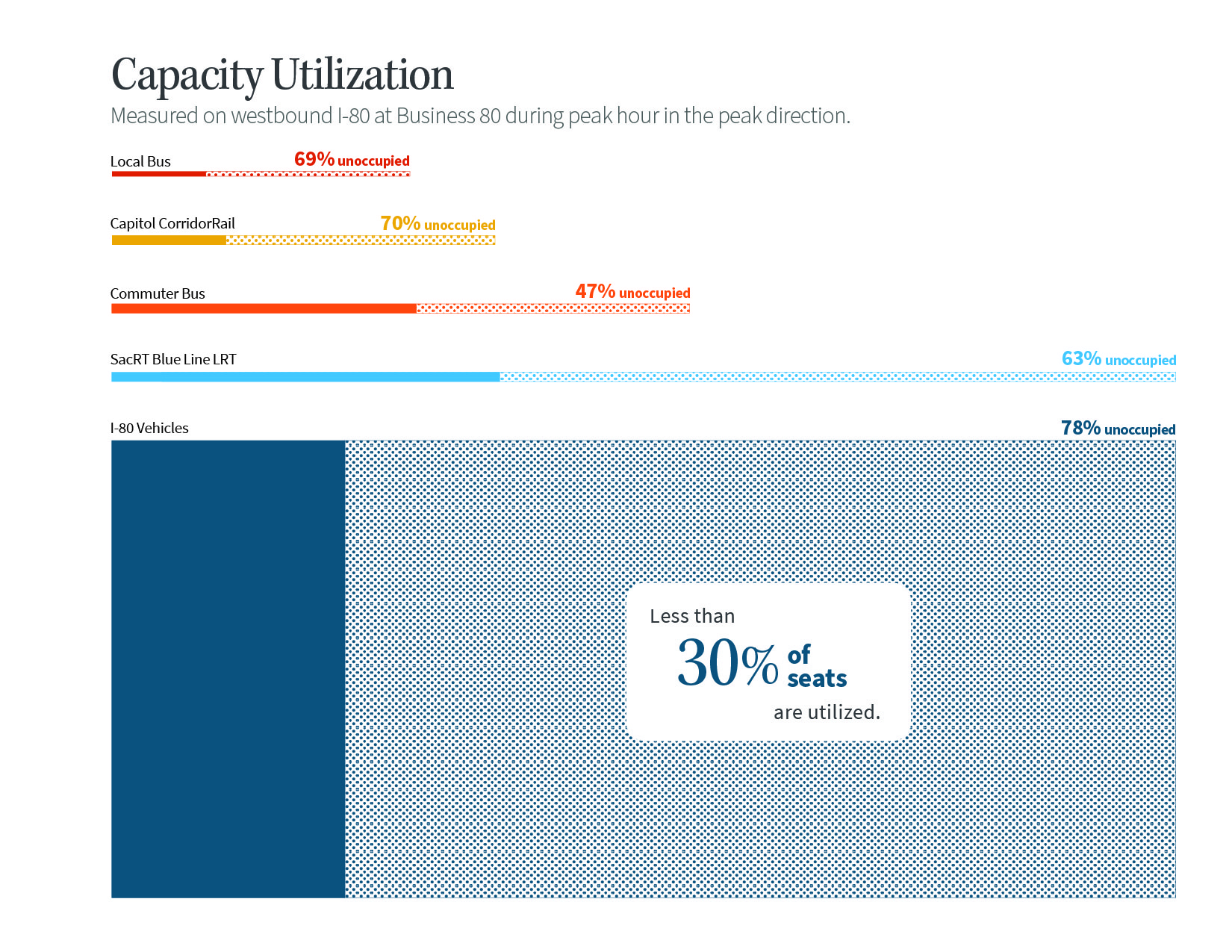
In a recent study in Sacramento, California, we compared capacity utilization (during the peak hour and peak direction) based on available seats across a screen line that included local bus, commuter bus, regional rail, light rail, and freeway lanes. While seat utilization is generally low across all the modes except for commuter bus, the available transit only has a few hundred empty seats.
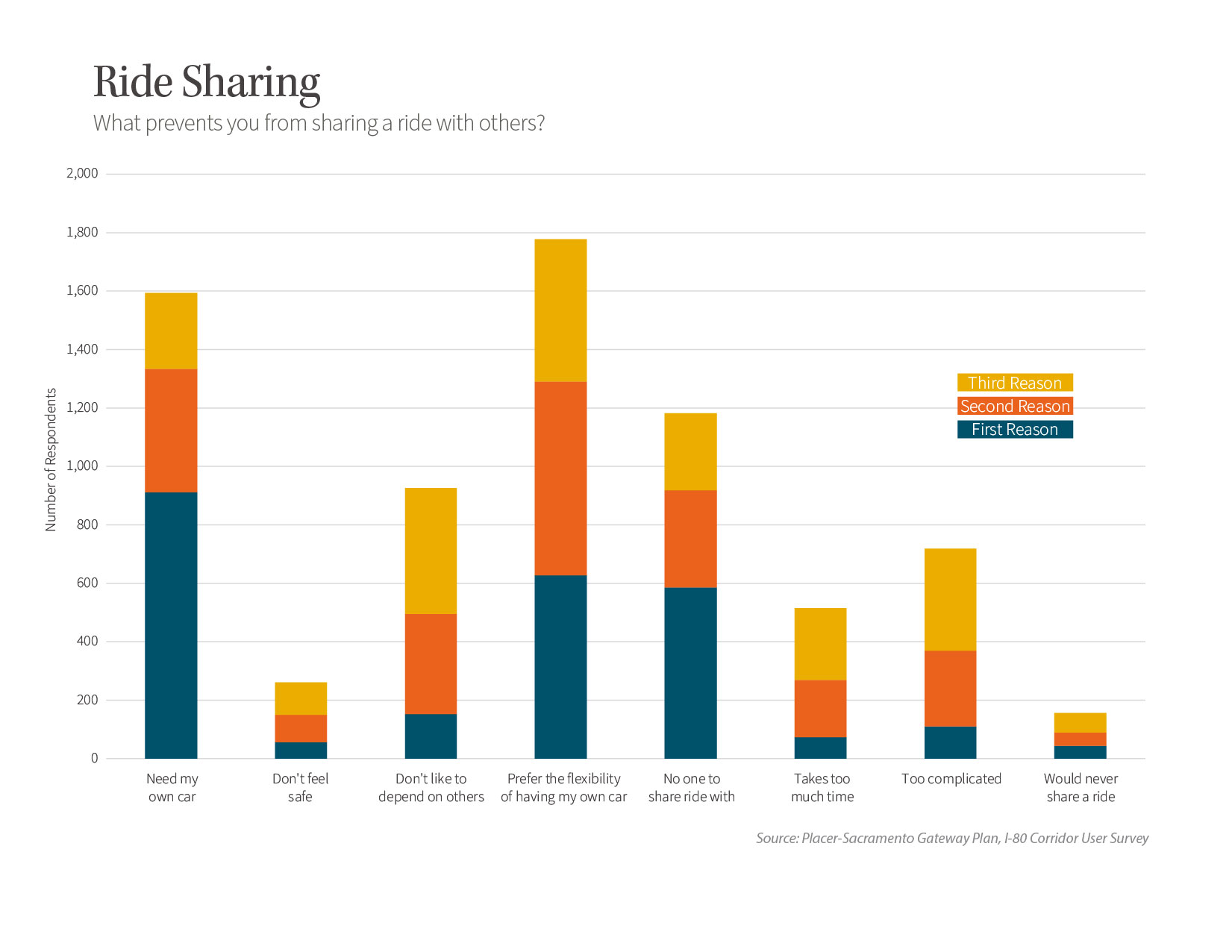
Can we fill more seats?
Exploring this new question requires the analysts to diagnose the problem – Why are users not sharing rides? What barriers or constraints exist? Can changes be made to fill some of these seats?
Please contact us if you would like more information on evolving transportation metrics and expanding the range of solutions that can effectively reduce congestion, VMT, and emissions.
Looking for more insights? Learn more by contacting one of our industry experts.
share this article
Explore More

2021 Staff Certifications
Fehr & Peers recognizes the professional advancements of our talented and dedicated staff members over the past year.
SB 743 White Paper
SB 743 requires evaluating transportation impacts using VMT instead of Level of Service (LOS).
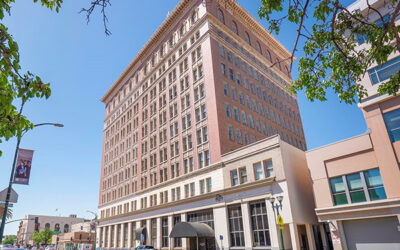
New Office in the Central Valley
Fehr & Peers proudly announces the opening of our Central Valley satellite office! Located in the heart of downtown Stockton, this office will help us continue to provide for and deepen our relationships with current Central Valley clients while further expanding our ability to serve the region.