
Collaborating for Safer Solutions
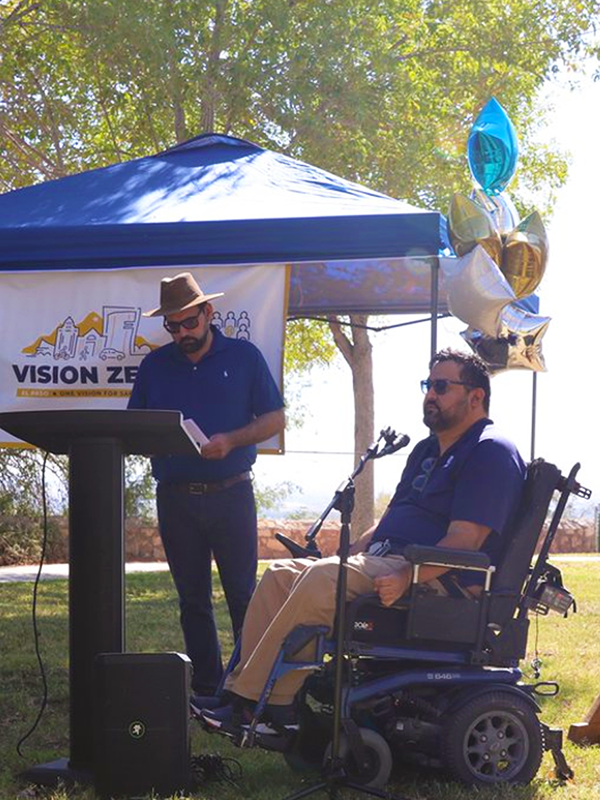
Collaborating for Safer Solutions
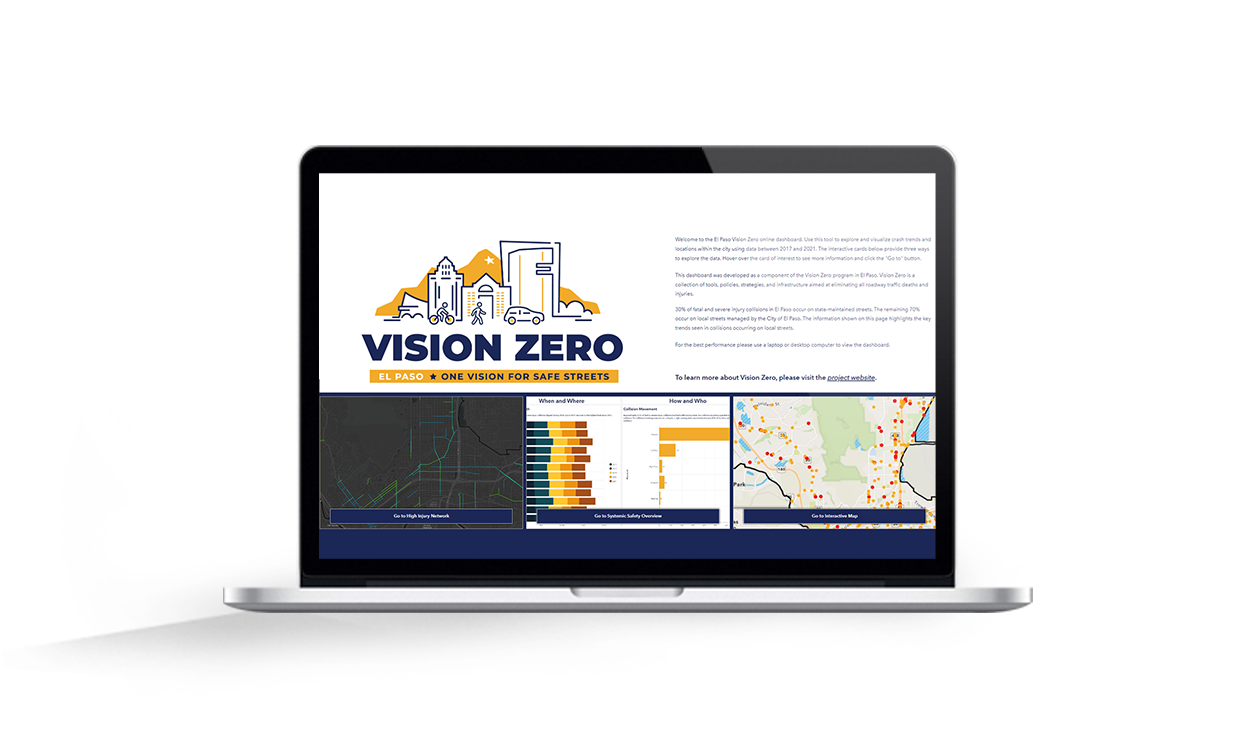
Insightful analyses from these collaborative partnerships also allowed us to develop an important public-facing component of the City’s Vision Zero program, the El Paso Vision Zero online dashboard. The dashboard allows users to create custom visualizations based on attributes and factors that contributed to crashes in El Paso using data from a recent 5-year period. The dashboard includes options for users to explore an interactive map, a systemic safety approach to look beyond hot spots to understand the who, what, and when of crashes, or an option to explore El Paso’s High Injury Network to identify areas where investment can have the highest impact in reducing serious crashes.
–Joaquin Rodriguez, AICP
Transportation Planning Administrator, City of El Paso
share this article
Contributors

Emily Finkel
Associate Transportation Planner
RSP1
Email Me

Sean Reseigh
Senior Transportation Planner
GIS Specialist
Email Me

Mike Wallace
National Technology Solutions Leader
Email Me

Josh Peterman
Dallas Senior Market Leader
RSP1
Email Me
Explore More

Cathleen Sullivan Joins Fehr & Peers
Our new Principal Cathleen Sullivan brings a practical, people-centered approach to transit and multimodal planning, helping Bay Area agencies turn complex ideas into progress.

Get a First Look at the Generative AI Policy Starter Kit
We helped develop a new Generative AI Policy Starter Kit through ITE. Explore the Quick Bite and ITE Journal article now, and stay tuned for the full kit.
Intern Perspectives: A Summer in Transportation
What does a transportation internship actually look like? This summer, 25 interns across 14 of our offices gained hands-on experience with fieldwork, street design, GIS, data analysis, visual communication, client work, and community engagement. See what they learned, what surprised them, and how the experience shaped the way they think about careers in transportation.