
Chris Mitchell Elected Next President/CEO
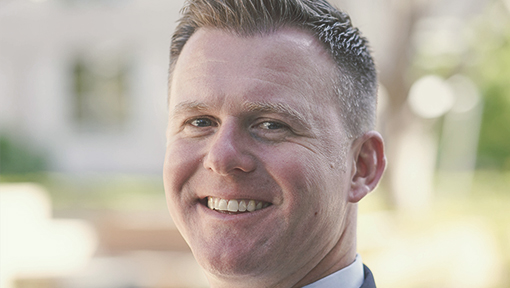
We are pleased to announce that the shareholders of Fehr & Peers have unanimously elected Chris Mitchell, P.E. as the next President/CEO. This decision is the culmination of a multi-year effort to transition this role as Matt Henry (President/CEO for the past 15 years) prepares to step away in September 2020 and move to a part-time role with Left Lane Advisors — our subsidiary specializing in leadership development, executive coaching, and management consulting.
Sarah Brandenberg & Julie Morgan Assume New Roles

Sarah Brandenberg, P.E., Principal
Sarah will serve as the Chair of our Board of Directors. Sarah has been with Fehr & Peers for 20 years and currently serves as the Principal-in-Charge of our Southern California region.
Julie Morgan, AICP, Principal
Julie has been promoted to the role of firmwide Director of Operations. Julie has been with Fehr & Peers for 21 years and most recently served as the Principal-in-Charge of our Bay Area region.
share this article
Explore More

Announcing Safety Multipliers
What do San Francisco’s Van Ness BRT, New York’s congestion pricing, and Arlington’s intersection program have in common? Each pulls all three Safe System levers at once. We call that pattern a safety multiplier.
Marissa Aho Joins Fehr & Peers
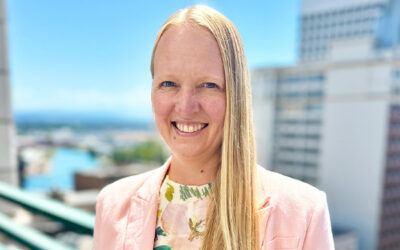
As climate risk reshapes transportation planning, public agencies need strategies that connect resilience with everyday investment decisions. Marissa Aho, FAICP, brings decades of experience helping cities and regions turn climate risk into practical, fundable actions. Learn how her leadership expands our climate adaptation and resilience practice and strengthens the support we provide to communities.

2026 Staff Promotions
Join us in congratulating the 167 team members who earned promotions for their outstanding contributions this year.