
Equity & Infrastructure Improvements
It’s not always clear which community members and roadway users are likely to benefit from large-scale infrastructure investments. Learn how activity-based models can help.

It’s not always clear which community members and roadway users are likely to benefit from large-scale infrastructure investments. Learn how activity-based models can help.

How can a transportation network be enhanced to create better access for moving people safely in an emergency? Learn about a new tool, developed in partnership with the City of Rancho Cucamonga, for evaluating access and egress under different evacuation scenarios.

In part two of a series on evolving traffic validation, we examined StreetLight as a potential source for larger samplings of turning movement volume estimates to overcome the limitations of using one- or two-day counts.

Recipient of a “Diversity, Equity, and Inclusion Award” from the National Operations Center of Excellence, read how Oregon Metro developed a first-of-its-kind transportation systems management and operations (TSMO) strategy that focuses on the importance of evaluating the needs of an entire community.
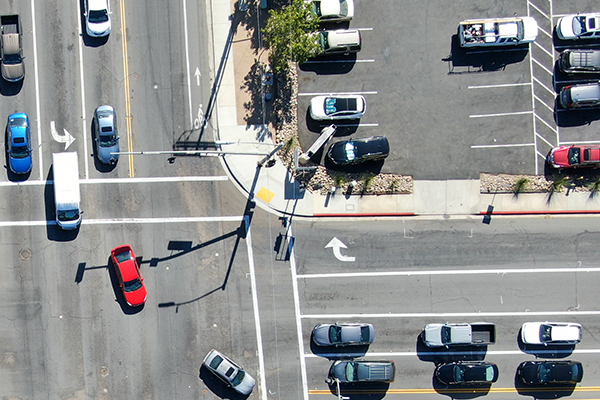
In part one of a two-part series on traffic volume estimation and StreetLight validation, we examine key questions to understand the possible variations for two industry standard methods.
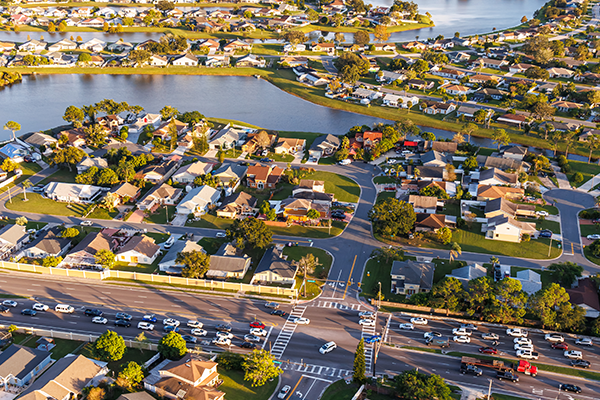
Analyzing travel accessibility measures how well current transportation networks connect us to destinations and exposes potential modal or equity limitations that may be causing difficulties for some users or geographic areas. Learn more and explore our travel access video.