
Land Conservation and VMT Reduction Analysis
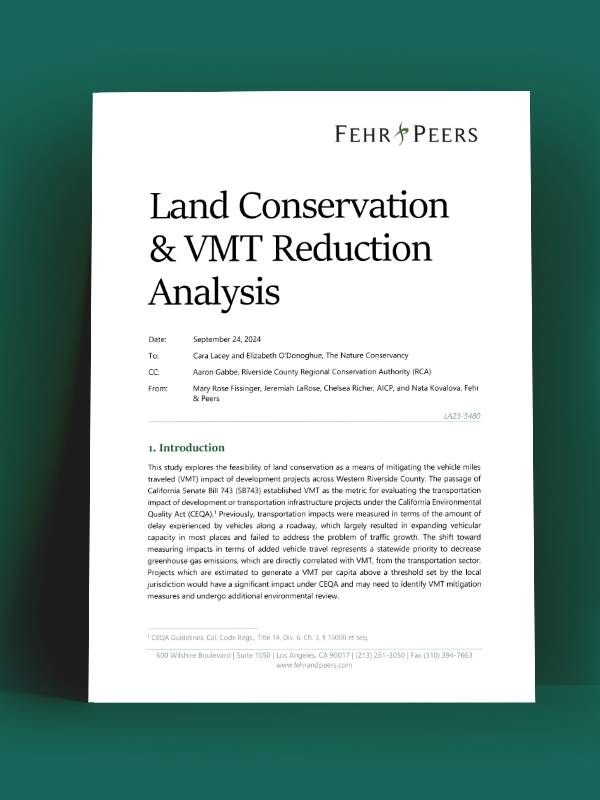
Land Conservation and VMT Reduction Analysis
Policies targeted at reducing Vehicle Miles Traveled (VMT) can be a powerful tool for advancing sustainable land development patterns. Our new white paper explores how VMT mitigation programs could protect biodiversity, preserve critical habitats, and support land conservation.
We recently worked with the Western Riverside County Regional Conservation Authority (RCA) and The Nature Conservancy to explore how VMT credits could be leveraged to fund conservation efforts, aligning transportation and conservation goals. By converting high-VMT parcels into conservation areas and instead encouraging development in lower-VMT areas, this approach helps combat sprawl while achieving long-term environmental benefits.
Read the full white paper to learn more about this innovative strategy, and contact us to explore how it could apply to your projects.
share this article
Contributors

Chelsea Richer
Climate & Resilience Discipline Leader
AICP
Email Me

Mary Rose Fissinger
Senior Engineer/Planner
Email Me

Jeremiah LaRose
Senior Associate
Email Me

Nata Kovalova
Engineer/Planner
Email Me
Explore More
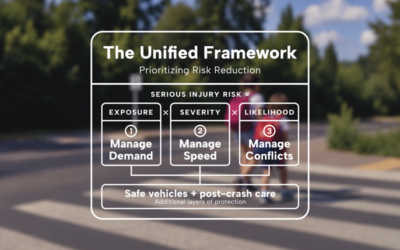
A Unified Framework for Roadway Safety
How can transportation professionals determine which safety strategies to prioritize? The Unified Framework for Safe System Implementation brings decades of safety research together to help agencies make more informed decisions. By connecting exposure, severity, and crash likelihood to different roadway contexts, the framework offers a practical way to prioritize strategies across planning, policy, design, and operations.
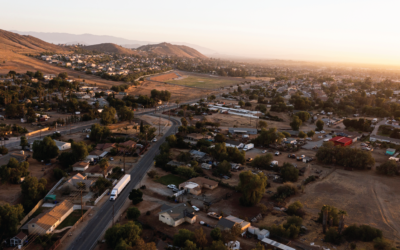
Meeting the Deadline Isn’t the Same as Solving the Problem
New state requirements are changing how cities approach truck route planning, but meeting a deadline doesn’t necessarily resolve conflicts between freight movement and neighborhood needs. See how Jurupa Valley used truck data, community input, and clear evaluation criteria to rethink its truck network, meet California’s AB 98 requirements, and reduce truck traffic exposure in sensitive areas.

Cathleen Sullivan Joins Fehr & Peers
Our new Principal Cathleen Sullivan brings a practical, people-centered approach to transit and multimodal planning, helping Bay Area agencies turn complex ideas into progress.