
Navigating Long-Term Transit: Planning in an Uncertain Time

Navigating Long-Term Transit: Planning in an Uncertain Time
What an unusual month it was to begin planning the long-term future of a transit agency! While WTA is strongly focused on providing essential trips to those who need transit the most and ensuring the safety of its employees, the agency also sees the need for long-range planning now more than ever. At our kick-off meeting, WTA staff highlighted the uniqueness of the current situation. Notably, WTA is discouraging all trips except those that are deemed essential, not collecting fares, and proactively reducing the seating capacity of buses. These actions are the complete opposite of what the agency was doing just four weeks prior.
It is with this dramatic shift as a background that we are now working with WTA not only to plan the long-term future, but also to develop strategy regarding how to restart transit service, welcome back riders, and ensure riders can safely get where they would like to go. Our R&D shift allowed us to add new value to the work WTA had already planned, and we can now do that earlier than originally planned. We are working with WTA to accomplish the following:
- Develop a robust online collaboration platform to engage a technical advisory committee and the WTA Board of Directors.
- Deploy online public engagement platforms and monitor who is participating to identify which groups may need alternative forms of outreach and ensure their voices are heard.
- Apply our enhanced scenario planning tools to explore the ridership implications, route structures, and capital needs of a wider range of potential near-term and long-term futures.
- Identify strategies from our Ridership Growth Action Planning research to rebuild ridership in the near-term and maintain and grow ridership in the long-term, with a particular focus on equitable access and ensuring access for those needing transit most.
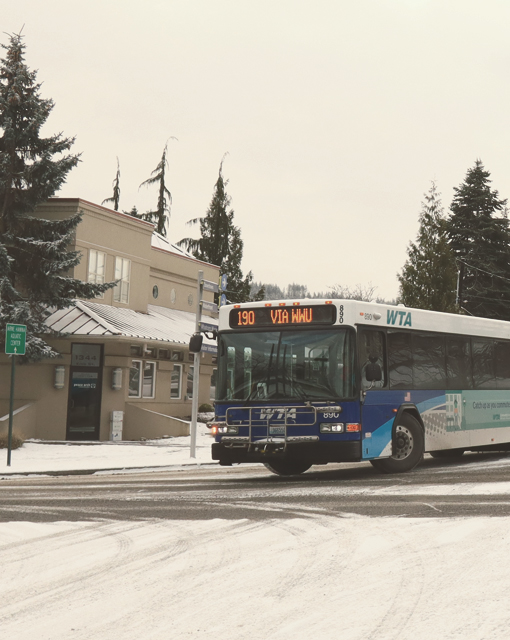
As we continue to work with WTA, we will share the results of how our R&D shift is influencing transit planning in Bellingham, and how these lessons learned could help other communities as well.
Are you interested in long-range transit planning?
share this article
Explore More
Safeguarding Safety for Road Users Now While Planning for an Automated Future
Although there is much uncertainty regarding how autonomous vehicles (AVs) might transform cities and influence roadway safety, our recent ITE Journal article “Safeguarding Safety for Road Users Now While Planning for an Automated Future” published alongside the Eno Center for Transportation explores different safety strategies that are important to consider both today and in an AV future.
SB743 and VMT FAQs
A guide for agencies on implementing SB 743’s requirement to assess transportation impacts based on VMT instead of traffic delay, aligning with California’s environmental objectives.
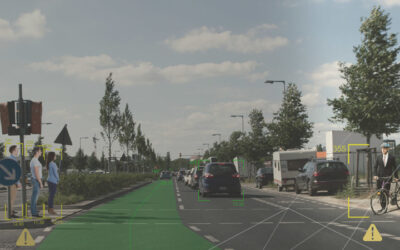
Readiness Planning for Autonomous & Connected Vehicles
Traditional automakers and technology companies continue to test and roll out vehicles that are increasingly capable of “driving themselves” without the aid of a human operator.