
Navigating Long-Term Transit: Planning in an Uncertain Time

Navigating Long-Term Transit: Planning in an Uncertain Time
What an unusual month it was to begin planning the long-term future of a transit agency! While WTA is strongly focused on providing essential trips to those who need transit the most and ensuring the safety of its employees, the agency also sees the need for long-range planning now more than ever. At our kick-off meeting, WTA staff highlighted the uniqueness of the current situation. Notably, WTA is discouraging all trips except those that are deemed essential, not collecting fares, and proactively reducing the seating capacity of buses. These actions are the complete opposite of what the agency was doing just four weeks prior.
It is with this dramatic shift as a background that we are now working with WTA not only to plan the long-term future, but also to develop strategy regarding how to restart transit service, welcome back riders, and ensure riders can safely get where they would like to go. Our R&D shift allowed us to add new value to the work WTA had already planned, and we can now do that earlier than originally planned. We are working with WTA to accomplish the following:
- Develop a robust online collaboration platform to engage a technical advisory committee and the WTA Board of Directors.
- Deploy online public engagement platforms and monitor who is participating to identify which groups may need alternative forms of outreach and ensure their voices are heard.
- Apply our enhanced scenario planning tools to explore the ridership implications, route structures, and capital needs of a wider range of potential near-term and long-term futures.
- Identify strategies from our Ridership Growth Action Planning research to rebuild ridership in the near-term and maintain and grow ridership in the long-term, with a particular focus on equitable access and ensuring access for those needing transit most.
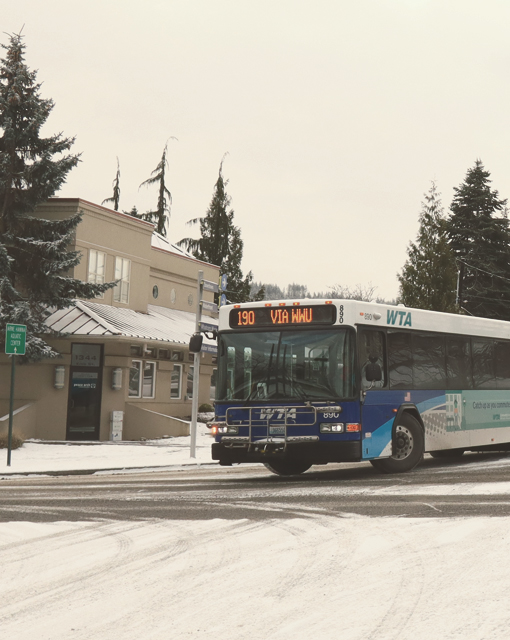
As we continue to work with WTA, we will share the results of how our R&D shift is influencing transit planning in Bellingham, and how these lessons learned could help other communities as well.
Are you interested in long-range transit planning?
share this article
Explore More
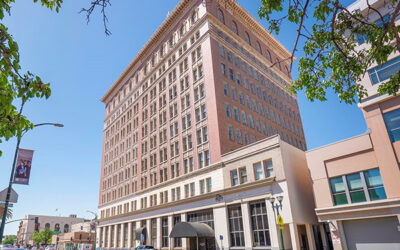
New Office in the Central Valley
Fehr & Peers proudly announces the opening of our Central Valley satellite office! Located in the heart of downtown Stockton, this office will help us continue to provide for and deepen our relationships with current Central Valley clients while further expanding our ability to serve the region.

VMT & GHG Reduction Strategies
Strategies like transit-oriented development, increasing residential density, and improving street connectivity can significantly reduce VMT and GHG emissions, with some measures achieving reductions of up to 31%.

Travel Access as a Key to Equitable Planning
Analyzing travel accessibility measures how well current transportation networks connect us to destinations and exposes potential modal or equity limitations that may be causing difficulties for some users or geographic areas. Learn more and explore our travel access video.