
Welcoming Our New 2025 Shareholders

Welcoming Our New 2025 Shareholders
Our employees are foundational to the growth of Fehr & Peers. The collaborative and entrepreneurial spirit of our leaders inspires us all to continue uncovering the best solutions to transportation challenges. Today, we celebrate our newest shareholders and express our gratitude for their unwavering dedication to Fehr & Peers and the people we serve.

Chelsea Richer, Principal
Los Angeles
11 years at Fehr & Peers

Claude Strayer, Principal
San Diego
7 years at Fehr & Peers

Erin Ferguson, Principal
San Francisco
3 years at Fehr & Peers

Geoff Rubendall, Principal
Petaluma
9 years at Fehr & Peers

Jason Miller, Principal
Denver
5 years at Fehr & Peers

Will Brooks, Principal
Corporate
16 years at Fehr & Peers
share this article
Explore More
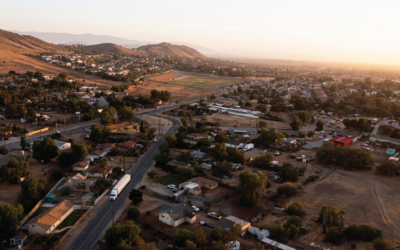
Meeting the Deadline Isn’t the Same as Solving the Problem
New state requirements are changing how cities approach truck route planning, but meeting a deadline doesn’t necessarily resolve conflicts between freight movement and neighborhood needs. See how Jurupa Valley used truck data, community input, and clear evaluation criteria to rethink its truck network, meet California’s AB 98 requirements, and reduce truck traffic exposure in sensitive areas.
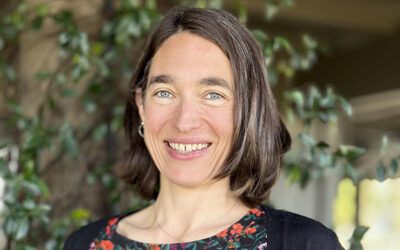
Cathleen Sullivan Joins Fehr & Peers
Our new Principal Cathleen Sullivan brings a practical, people-centered approach to transit and multimodal planning, helping Bay Area agencies turn complex ideas into progress.

Get a First Look at the Generative AI Policy Starter Kit
We helped develop a new Generative AI Policy Starter Kit through ITE. Explore the Quick Bite and ITE Journal article now, and stay tuned for the full kit.