
Using VMT to Promote Sustainability
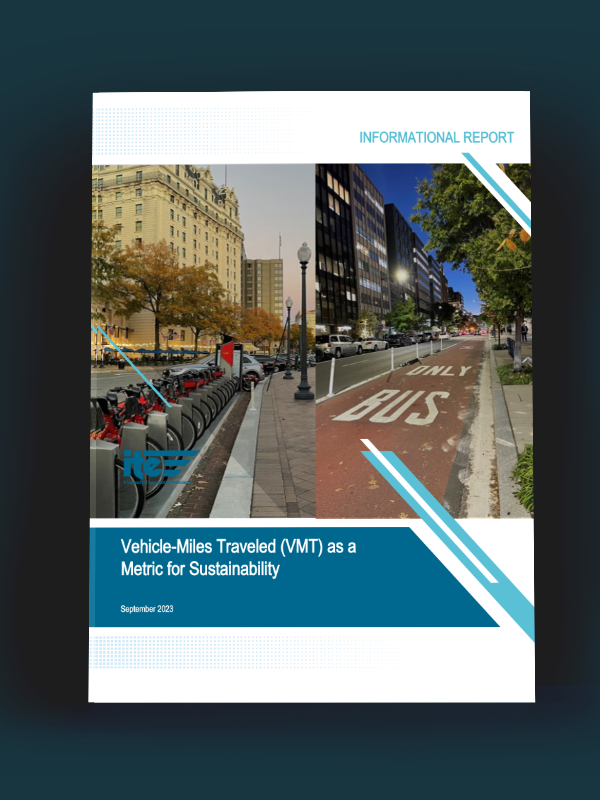
Using VMT to Promote Sustainability
As planning strategies evolve from vehicle-centric to a multimodal, accessibility-focused approach, the focus is on moving people efficiently over vehicles. The new paradigm emphasizes sustainable transportation modes and underscores the significance of Vehicle Miles Traveled (VMT) as a crucial metric. VMT reduction benefits traffic flow, infrastructure costs, community well-being, pollution reduction, non-driver accessibility, and public health.
We’re excited to introduce ITE’s new technical brief, Vehicle-Miles Traveled (VMT) as a Metric for Sustainability. This resource, which includes contributions from our nationwide VMT expert Ron Milam, covers the shift from vehicle-based planning to accessibility-based planning, providing insights and case studies for transportation agencies and practitioners striving to enhance equity, safety, environmental sustainability, and community livability.
share this article
Explore More
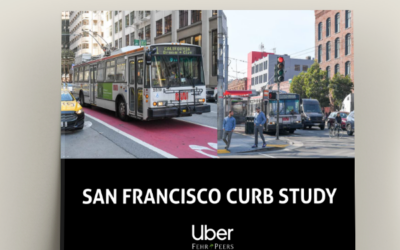
San Francisco Curb Study
This study introduces the Curb Productivity Index to measure the efficiency of curb space allocation and offers strategies to enhance curbside access and safety.
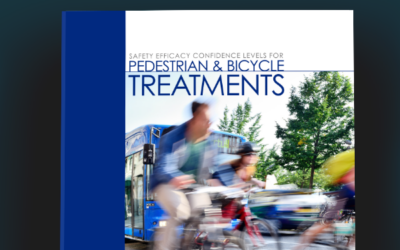
Safety Efficacy Guide
This guide evaluates various pedestrian and bicycle street designs from the NACTO Urban Bikeway and Urban Street Design Guides, categorizing them by their proven safety effectiveness to assist planners in making informed decisions.

Vertical Take-Off & Landing
VTOL craft are likely to face regulatory and technological hurdles before moving from early testing to widespread use. Read on to explore the potential benefits and limitations.