
Using VMT to Promote Sustainability
Using VMT to Promote Sustainability
As planning strategies evolve from vehicle-centric to a multimodal, accessibility-focused approach, the focus is on moving people efficiently over vehicles. The new paradigm emphasizes sustainable transportation modes and underscores the significance of Vehicle Miles Traveled (VMT) as a crucial metric. VMT reduction benefits traffic flow, infrastructure costs, community well-being, pollution reduction, non-driver accessibility, and public health.
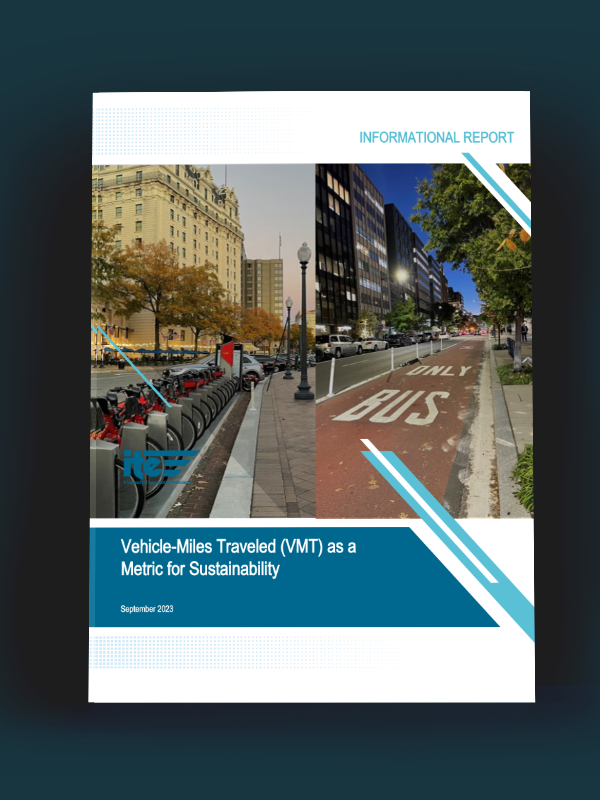
We’re excited to introduce ITE’s new technical brief, Vehicle-Miles Traveled (VMT) as a Metric for Sustainability. This resource, which includes contributions from our nationwide VMT expert Ron Milam, covers the shift from vehicle-based planning to accessibility-based planning, providing insights and case studies for transportation agencies and practitioners striving to enhance equity, safety, environmental sustainability, and community livability.
share this article
Explore More
Encouraging Resiliency During Evacuations
How can a transportation network be enhanced to create better access for moving people safely in an emergency? Learn about a new tool, developed in partnership with the City of Rancho Cucamonga, for evaluating access and egress under different evacuation scenarios.

New Office in Boulder, Colorado
Fehr & Peers is proud to announce the opening of our Boulder, Colorado office! Building on our thriving Denver office, and continuing our tradition of expanding to better serve our clients throughout Colorado.

Evolving Standard Validation Practices for Traffic Data: Part 2
In part two of a series on evolving traffic validation, we examined StreetLight as a potential source for larger samplings of turning movement volume estimates to overcome the limitations of using one- or two-day counts.