
Using VMT to Promote Sustainability
Using VMT to Promote Sustainability
As planning strategies evolve from vehicle-centric to a multimodal, accessibility-focused approach, the focus is on moving people efficiently over vehicles. The new paradigm emphasizes sustainable transportation modes and underscores the significance of Vehicle Miles Traveled (VMT) as a crucial metric. VMT reduction benefits traffic flow, infrastructure costs, community well-being, pollution reduction, non-driver accessibility, and public health.
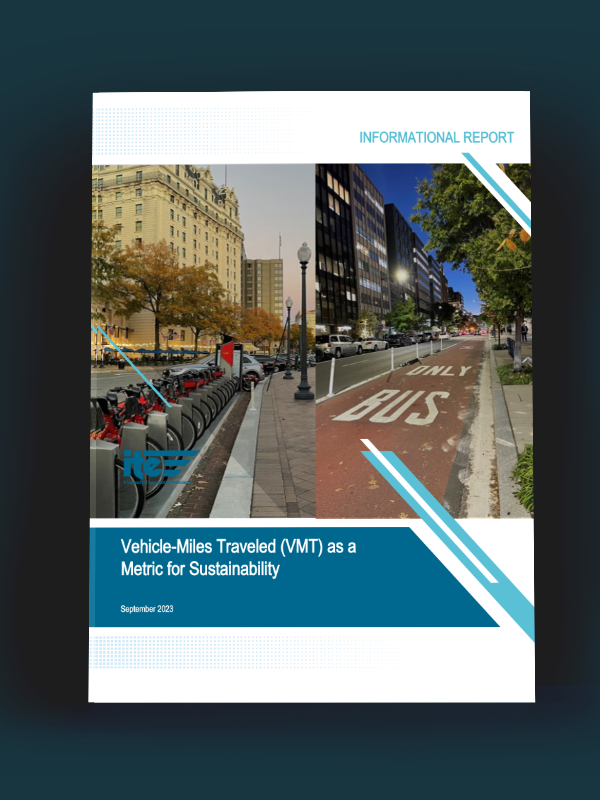
We’re excited to introduce ITE’s new technical brief, Vehicle-Miles Traveled (VMT) as a Metric for Sustainability. This resource, which includes contributions from our nationwide VMT expert Ron Milam, covers the shift from vehicle-based planning to accessibility-based planning, providing insights and case studies for transportation agencies and practitioners striving to enhance equity, safety, environmental sustainability, and community livability.
share this article
Explore More

Congratulating Our Newest Shareholders
Our 2026 shareholders followed different paths to reach this career milestone, but they all share a proven dedication to delivering thoughtful, high-quality work for clients, supporting their colleagues, and strengthening the communities where we practice.

Celebrating Our Lifelong Learners
We thank our dedicated team members who have gone the extra mile to earn certifications and licenses during the past year.
Planning for the Future of E-Micromobility
E-bike and e-scooter usage continues to expand nationwide, creating challenges for planners. These two papers explain what’s happening and how we can help our clients prepare for the future.