
Using VMT to Promote Sustainability
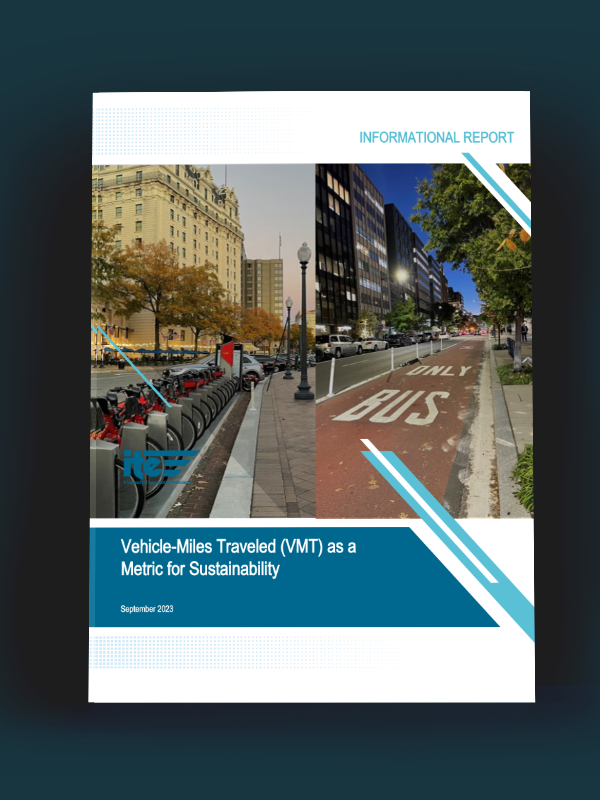
Using VMT to Promote Sustainability
As planning strategies evolve from vehicle-centric to a multimodal, accessibility-focused approach, the focus is on moving people efficiently over vehicles. The new paradigm emphasizes sustainable transportation modes and underscores the significance of Vehicle Miles Traveled (VMT) as a crucial metric. VMT reduction benefits traffic flow, infrastructure costs, community well-being, pollution reduction, non-driver accessibility, and public health.
We’re excited to introduce ITE’s new technical brief, Vehicle-Miles Traveled (VMT) as a Metric for Sustainability. This resource, which includes contributions from our nationwide VMT expert Ron Milam, covers the shift from vehicle-based planning to accessibility-based planning, providing insights and case studies for transportation agencies and practitioners striving to enhance equity, safety, environmental sustainability, and community livability.
share this article
Explore More
Metro Emerging Trends Study
Utilizing the TrendLab+ scenario planning tool, the study assesses the short- and long-term impacts of these trends on vehicle miles traveled (VMT), transit usage, safety, and equity within the Portland region, providing insights to inform the 2023 Regional Transportation Plan update.

Applications of Big Data in Safety Analysis
Check out the new ITE brief written for transportation professionals to determine the most effective data sources to apply when scoping, implementing, and evaluating safety projects.
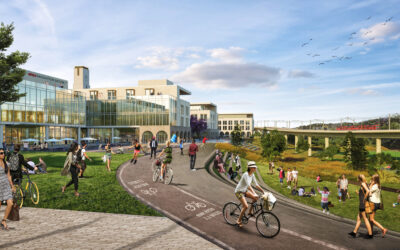
Reclaiming a Concrete Desert
Learn how the once-touted largest single surface parking lot, now known as SDSU Mission Valley, is being reimagined. The new design is all about reducing the need for cars, improving mobility, and creating a vibrant, walkable, and bikeable environment for the local community to enjoy.