

The modeling lexicon breaks down each metric by name, and provides both the model type used to create it and a definition description for full explanation. Designed as a quick-reference chart, the lexicon provides important information and clarification across all the different VMT metrics, assisting the user in effectively navigating VMT calculations of all types.
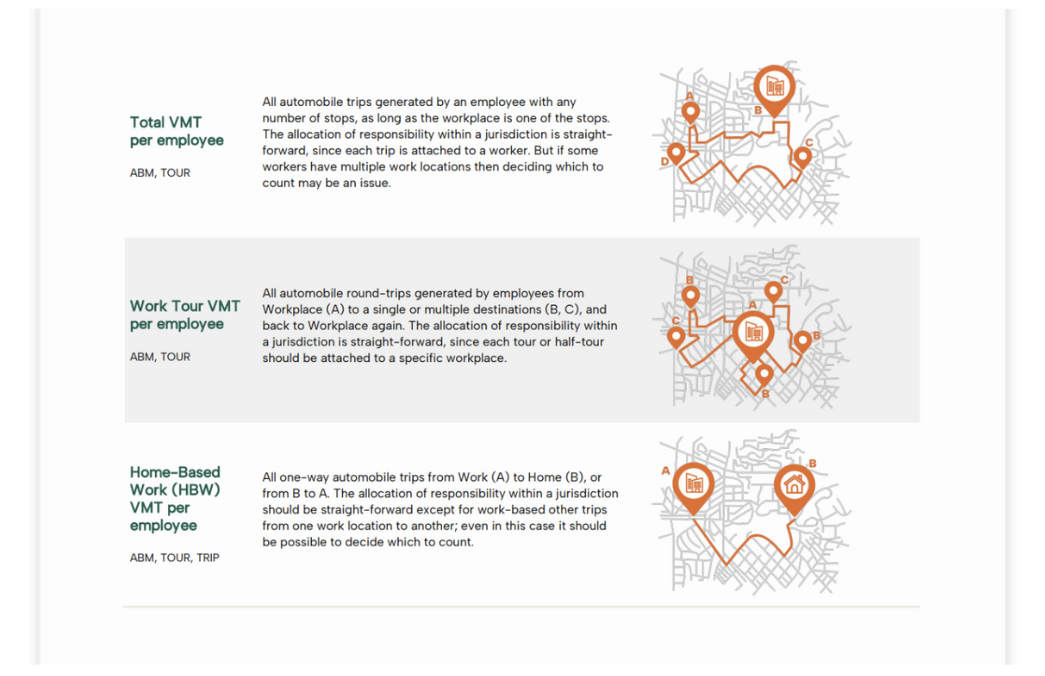
Using Our Lexicon Reference
We invite you to explore our VMT Modeling Lexicon, and we are open to comments and input for enhancements to it as well. The lexicon is intended as a helpful reference for unpacking the complexities of VMT analysis and as a road map for accurate calculations.
Are you interested in learning more about VMT metrics, modeling, or California Senate Bill 743 implementation and planning?
share this article
Explore More

Telework and VMT
Does working remotely mean we are driving less? The answer might surprise you.
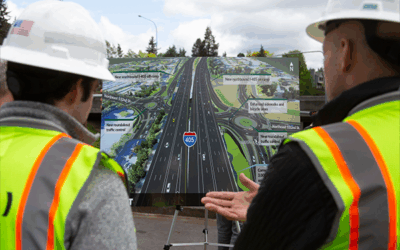
A New Way To Build Transportation Capacity
Learn how a coalition of jurisdictions and community groups in Washington State pioneered a large-scale multimodal transportation planning approach that has improved highway capacity over the last twenty years and continues to guide future investments.
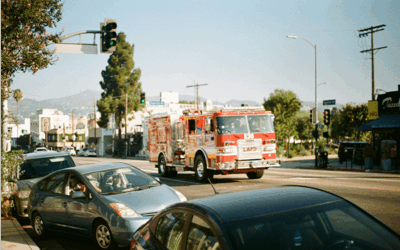
Evacuation Travel Time Analysis
The ability for a community to evacuate quickly continues to be a top priority for agency staff in California. Learn about our Climate Group’s proactive research to address new CEQA requirements for producing evidence-based evacuation travel time analysis for land use projects.