

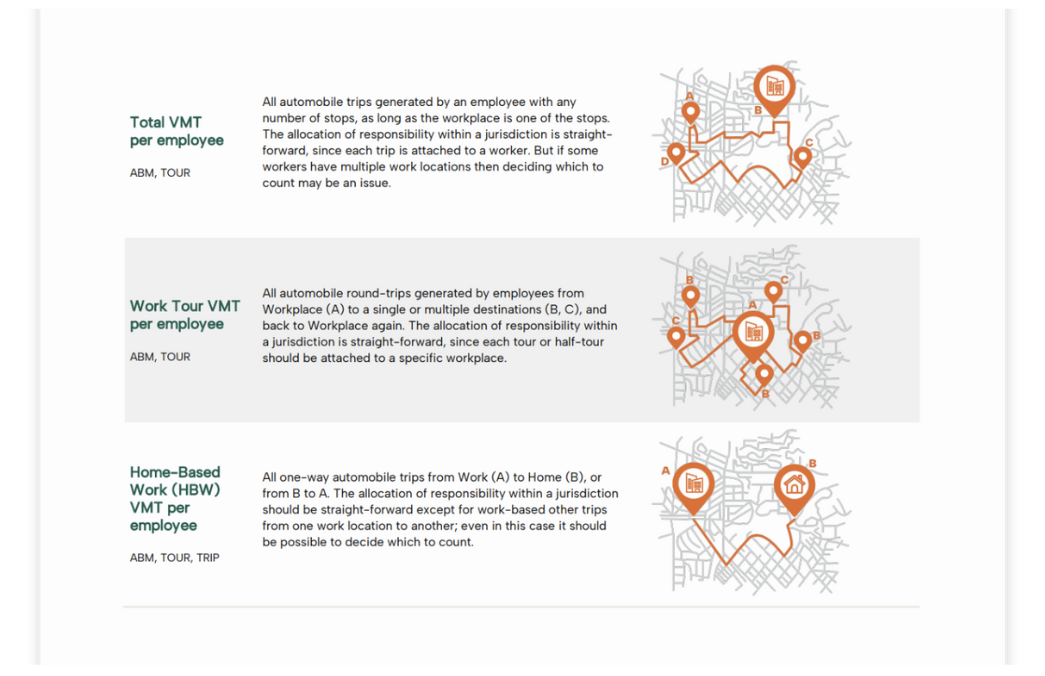
The modeling lexicon breaks down each metric by name, and provides both the model type used to create it and a definition description for full explanation. Designed as a quick-reference chart, the lexicon provides important information and clarification across all the different VMT metrics, assisting the user in effectively navigating VMT calculations of all types.
Using Our Lexicon Reference
We invite you to explore our VMT Modeling Lexicon, and we are open to comments and input for enhancements to it as well. The lexicon is intended as a helpful reference for unpacking the complexities of VMT analysis and as a road map for accurate calculations.
Are you interested in learning more about VMT metrics, modeling, or California Senate Bill 743 implementation and planning?
share this article
Explore More
Intern Perspectives: A Summer in Transportation
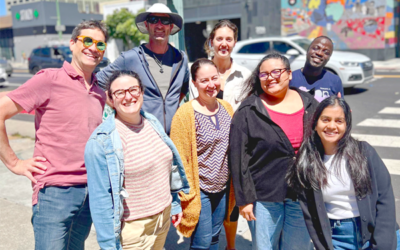
What does a transportation internship actually look like? This summer, 25 interns across 14 of our offices gained hands-on experience with fieldwork, street design, GIS, data analysis, visual communication, client work, and community engagement. See what they learned, what surprised them, and how the experience shaped the way they think about careers in transportation.
Looking at Street Safety Through the Lens of Kinetic Energy
This ITE Technical brief explores how kinetic energy can add another dimension to roadway safety analysis, helping practitioners consider where conditions for serious harm may exist even before severe crash patterns emerge.

Understanding AI’s Role in Transportation Safety
AI is giving transportation safety practitioners new ways to analyze data, detect near misses, and respond to risk before crashes happen. Real-world examples from Bellevue, WA and San Bernardino, CA show where AI-supported technology is delivering value—and where human judgment remains essential for turning data into responsible safety decisions.