
Since the onset of the COVID-19 pandemic, one question we frequently hear from our clients is: How has local travel behavior changed? To help provide answers, we embarked on a self-funded research effort, collecting pre-COVID and 2022/2023 traffic data at residential, retail, and mixed-use sites across California. We also conducted multi-day surveys at large office parks, one of the land uses most affected by the pandemic.
Our findings reveal significant shifts in travel patterns, especially at office buildings, where trip generation rates have dropped well below the rates set by ITE’s 2021 Trip Generation Manual, which consists entirely of pre-COVID data. These insights could have important implications for transportation planning, from travel demand models to infrastructure forecasting and fee programs.
For a deeper look at the data and what it means for future planning, check out our full white paper. Questions? Feel free to reach out to the report’s primary author, John Gard, PE, RSP1.
Contributors

John Gard
Email Me

Brian Wolfe
Email Me
Explore More
Metro Emerging Trends Study
Utilizing the TrendLab+ scenario planning tool, the study assesses the short- and long-term impacts of these trends on vehicle miles traveled (VMT), transit usage, safety, and equity within the Portland region, providing insights to inform the 2023 Regional Transportation Plan update.

Applications of Big Data in Safety Analysis
Check out the new ITE brief written for transportation professionals to determine the most effective data sources to apply when scoping, implementing, and evaluating safety projects.
Reclaiming a Concrete Desert
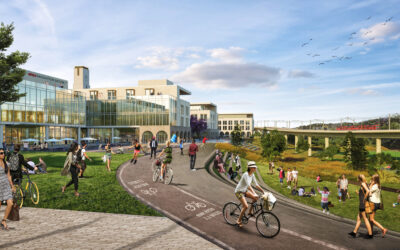
Learn how the once-touted largest single surface parking lot, now known as SDSU Mission Valley, is being reimagined. The new design is all about reducing the need for cars, improving mobility, and creating a vibrant, walkable, and bikeable environment for the local community to enjoy.