
Rethinking Street Design for Safety and Emergency Access
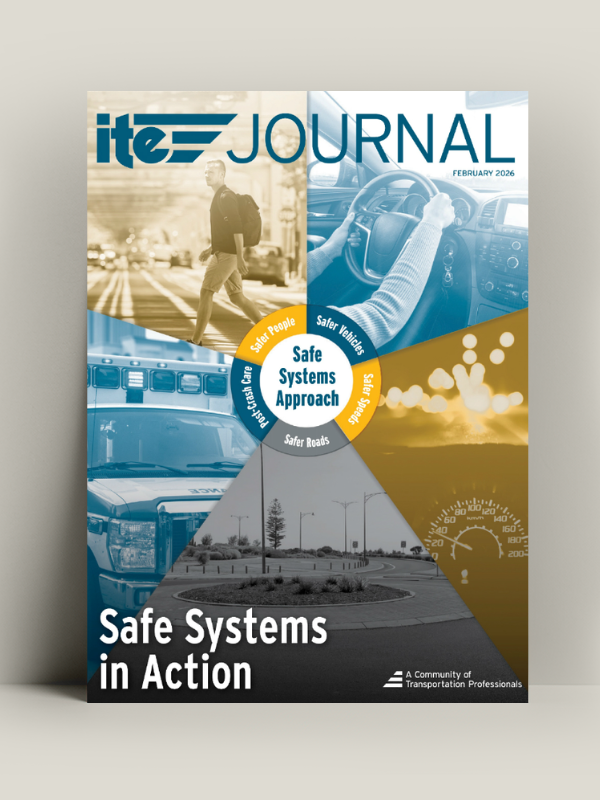
Rethinking Street Design for Safety and Emergency Access
Cities want neighborhood streets that are safe, livable, and ready for emergencies. But in practice, those priorities don’t always align. Rigid standards and siloed decision-making can push communities toward wider streets that increase speeds, raise long-term costs, and limit space for housing and neighborhood amenities.
This February 2026 ITE Journal article, “Safer Streets Through Abundance: Aligning Fire Codes, Safety, and Community Goals,” looks at a different path forward: connected street networks that give emergency responders multiple routes, and early collaboration between fire, transportation, planning, and public health teams.
When departments work together from the start, communities can move beyond one-size-fits-all standards and design residential streets that support both emergency response and everyday safety.
Contact us to explore how your community can balance emergency access with safer, more sustainable neighborhood design.
share this article
Contributor

Matt Goyne
Principal
Email Me
Explore More
Identifying Vulnerabilities for a Resilient Future
This August 2025 ITE Journal article explores how one county in Florida is preparing ahead of flooding to remove barriers to essential services.

California Courts Raise Bar on Wildfire Evacuation Planning
California court rulings underscore the importance of using realistic, dynamic, and expert-driven evacuation models like DTA.
VMTIndex Now Reaches Communities Nationwide
VMTIndex, our vehicle miles traveled analysis tool, is now available in many of our market areas with updated data.