
Rethinking Street Design for Safety and Emergency Access
Rethinking Street Design for Safety and Emergency Access
Cities want neighborhood streets that are safe, livable, and ready for emergencies. But in practice, those priorities don’t always align. Rigid standards and siloed decision-making can push communities toward wider streets that increase speeds, raise long-term costs, and limit space for housing and neighborhood amenities.
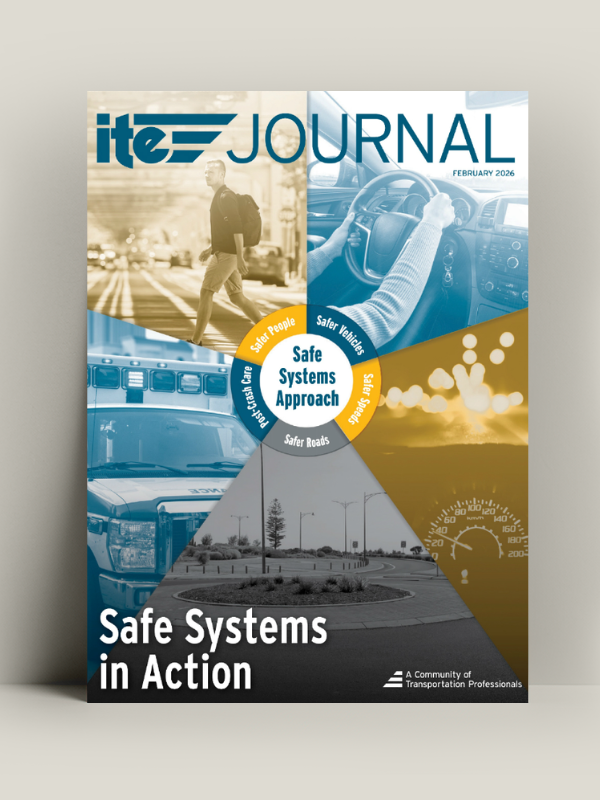
This February 2026 ITE Journal article, “Safer Streets Through Abundance: Aligning Fire Codes, Safety, and Community Goals,” looks at a different path forward: connected street networks that give emergency responders multiple routes, and early collaboration between fire, transportation, planning, and public health teams.
When departments work together from the start, communities can move beyond one-size-fits-all standards and design residential streets that support both emergency response and everyday safety.
Contact us to explore how your community can balance emergency access with safer, more sustainable neighborhood design.
share this article
Contributor

Matt Goyne
Principal
Email Me
Explore More

Evolving Standard Validation Practices for Traffic Data
In part one of a two-part series on traffic volume estimation and StreetLight validation, we examine key questions to understand the possible variations for two industry standard methods.

Erin Ferguson Joins Fehr & Peers
National Safety Expert Erin Ferguson joins the Fehr & Peers San Francisco office, bringing 17 years of industry knowledge and experience in multimodal planning, complete streets, and safety. We look forward to the innovative ideas and project leadership expertise Erin will provide in helping us transform transportation consulting in the Bay Area for clients and communities.
Travel Forecasting Model Suitability for Environmental Impact Analysis
This guide helps transportation professionals determine if their travel forecasting models are suitable for environmental impact analyses, ensuring compliance with laws like NEPA and CEQA.