
Rethinking Street Design for Safety and Emergency Access
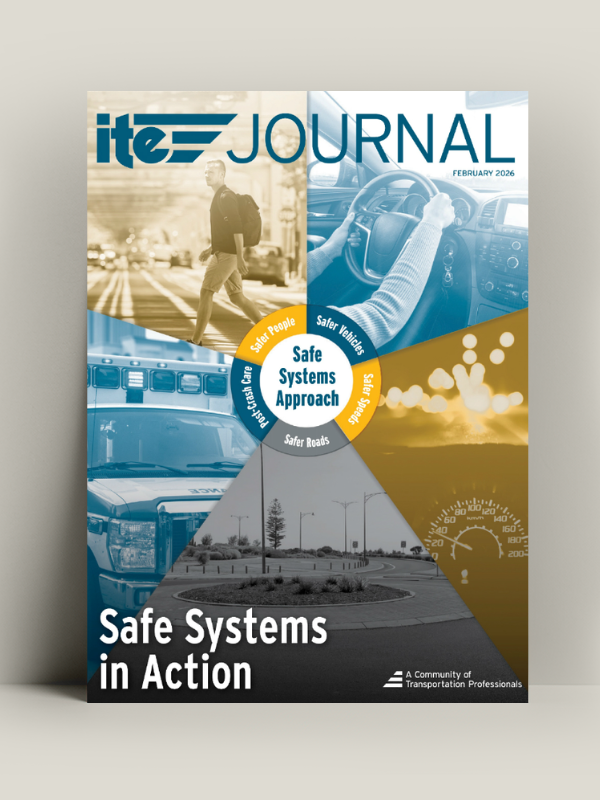
Rethinking Street Design for Safety and Emergency Access
Cities want neighborhood streets that are safe, livable, and ready for emergencies. But in practice, those priorities don’t always align. Rigid standards and siloed decision-making can push communities toward wider streets that increase speeds, raise long-term costs, and limit space for housing and neighborhood amenities.
This February 2026 ITE Journal article, “Safer Streets Through Abundance: Aligning Fire Codes, Safety, and Community Goals,” looks at a different path forward: connected street networks that give emergency responders multiple routes, and early collaboration between fire, transportation, planning, and public health teams.
When departments work together from the start, communities can move beyond one-size-fits-all standards and design residential streets that support both emergency response and everyday safety.
Contact us to explore how your community can balance emergency access with safer, more sustainable neighborhood design.
share this article
Contributor

Matt Goyne
Principal
Email Me
Explore More
A New Way To Build Transportation Capacity
Learn how a coalition of jurisdictions and community groups in Washington State pioneered a large-scale multimodal transportation planning approach that has improved highway capacity over the last twenty years and continues to guide future investments.
Evacuation Travel Time Analysis
The ability for a community to evacuate quickly continues to be a top priority for agency staff in California. Learn about our Climate Group’s proactive research to address new CEQA requirements for producing evidence-based evacuation travel time analysis for land use projects.
Prioritizing People in Multimodal Design
Discover how one city is redesigning their streets to make experiencing destinations safer and more enjoyable, and how their process and design typology can be adapted to streets across the US.