
Rethinking Street Design for Safety and Emergency Access
Rethinking Street Design for Safety and Emergency Access
Cities want neighborhood streets that are safe, livable, and ready for emergencies. But in practice, those priorities don’t always align. Rigid standards and siloed decision-making can push communities toward wider streets that increase speeds, raise long-term costs, and limit space for housing and neighborhood amenities.
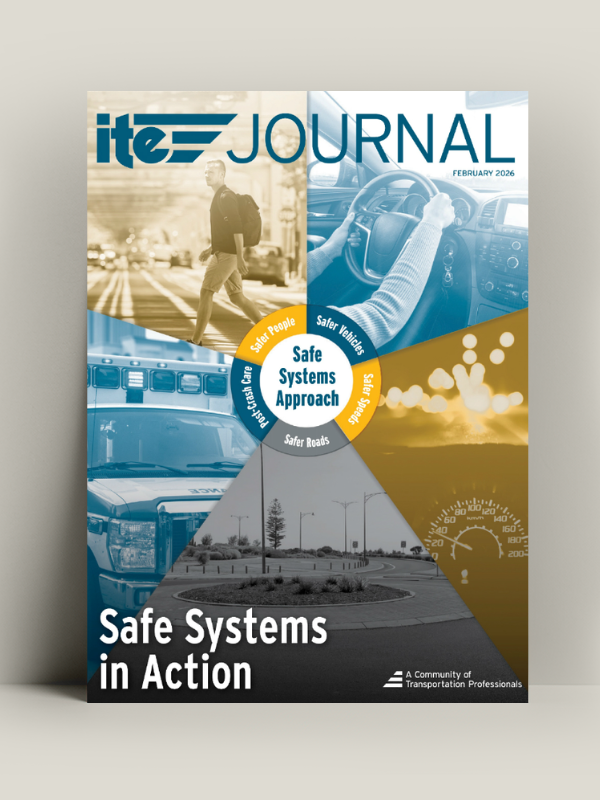
This February 2026 ITE Journal article, “Safer Streets Through Abundance: Aligning Fire Codes, Safety, and Community Goals,” looks at a different path forward: connected street networks that give emergency responders multiple routes, and early collaboration between fire, transportation, planning, and public health teams.
When departments work together from the start, communities can move beyond one-size-fits-all standards and design residential streets that support both emergency response and everyday safety.
Contact us to explore how your community can balance emergency access with safer, more sustainable neighborhood design.
share this article
Contributor

Matt Goyne
Principal
Email Me
Explore More

Investing in Relationships
Investing in and empowering one another is at the core of our mission. Check out reflections from some of our recent mentoring program participants to see how their careers and relationships were impacted.
The Safe System Approach in Local Road Safety Plans
We invite you to explore the new ITE technical brief that provides insights on integrating the Safe System Approach into Local Road Safety Plans while meeting grant requirements and working towards achieving Vision Zero.

Evacuation Planning & Resilience
Discover how our innovative planning tools can help you prepare for the unexpected and increase your resilience in the event of emergencies.