
Post-COVID Pandemic National Travel Changes
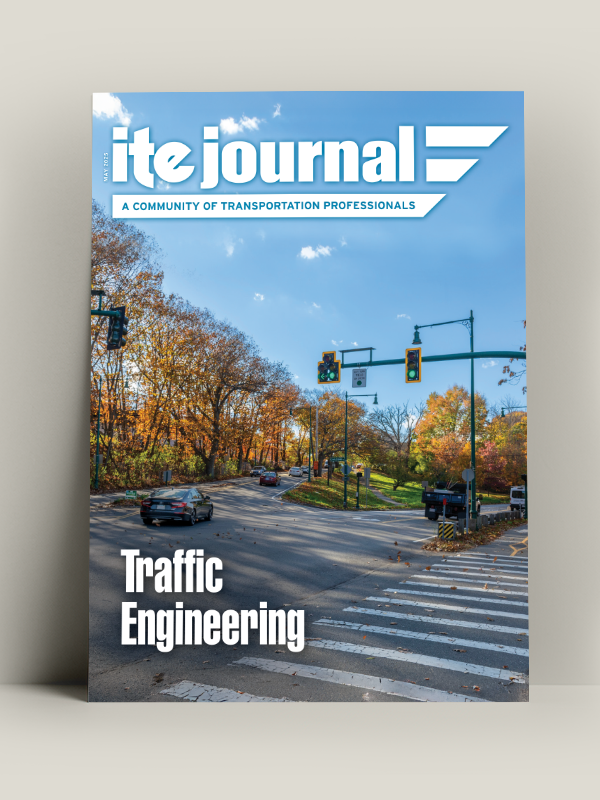
Post-COVID Pandemic National Travel Changes
Travel behavior in the US has changed more in the past few years than at any time in living memory.
While some travel patterns have returned to normal since the COVID-19 pandemic, others have not. Traffic volumes, transit ridership, and broader commuting habits still differ significantly from pre-pandemic levels.
In 2024, the Institute of Transportation Engineers (ITE) formed a task force to analyze this shift. Ian Barnes of Fehr & Peers contributed to that research and co-wrote an article for ITE Journal sharing the group’s findings.
Read the full article to learn more about this ongoing research, and contact us to explore how it could apply to your projects.
share this article
Contributor

Ian Barnes
Explore More

Priced Out
This white paper explores how housing subsidies can reduce driving by helping lower-income workers move closer to jobs and transit, improving access and cutting commute distances.
Programmatic Infill Development Incentives
This white paper discusses the role of state and regional programs like REAP, SACOG’s Green Means Go, and MTC’s Priority Development Areas in supporting infill projects.

Berkely Vision Zero Action Plan
Berkeley’s Vision Zero Action Plan lays out a strategy to eliminate serious and fatal traffic crashes by 2028, using a data-driven, equity-focused approach to improve safety on the city’s highest-risk streets.