
Post-COVID Pandemic National Travel Changes
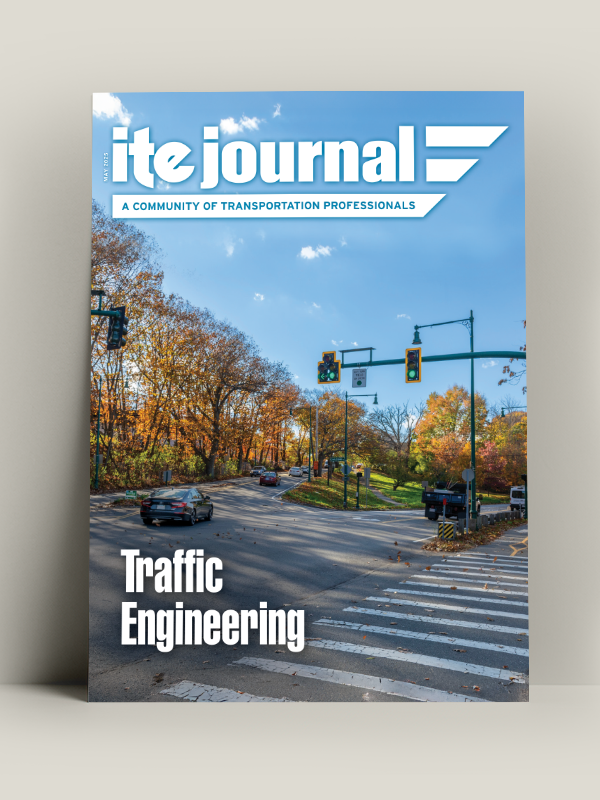
Post-COVID Pandemic National Travel Changes
Travel behavior in the US has changed more in the past few years than at any time in living memory.
While some travel patterns have returned to normal since the COVID-19 pandemic, others have not. Traffic volumes, transit ridership, and broader commuting habits still differ significantly from pre-pandemic levels.
In 2024, the Institute of Transportation Engineers (ITE) formed a task force to analyze this shift. Ian Barnes of Fehr & Peers contributed to that research and co-wrote an article for ITE Journal sharing the group’s findings.
Read the full article to learn more about this ongoing research, and contact us to explore how it could apply to your projects.
share this article
Contributor

Ian Barnes
Explore More
Understanding AI’s Role in Transportation Safety
AI is giving transportation safety practitioners new ways to analyze data, detect near misses, and respond to risk before crashes happen. Real-world examples from Bellevue, WA and San Bernardino, CA show where AI-supported technology is delivering value—and where human judgment remains essential for turning data into responsible safety decisions.
New NCHRP Toolkit Helps Agencies Build Safety Into Everyday Decisions
Making streets safer takes more than individual projects. Our new Safe System approach toolkit, developed through NCHRP Research Report 1181, helps agencies integrate safety into policies, budgets, design standards, and land use decisions. Explore practical tools, real-world case studies, and new IIHS Safe System success stories that show how agencies are turning safety into standard practice.
Announcing Safety Multipliers
What do San Francisco’s Van Ness BRT, New York’s congestion pricing, and Arlington’s intersection program have in common? Each pulls all three Safe System levers at once. We call that pattern a safety multiplier.