
Planning for the Future of E-Micromobility

Planning for the Future of E-Micromobility
E-bikes and e-scooters have encouraged many people to change the way they travel, with children and older riders alike embracing two-wheeled devices.
But these “e-micromobility” travel options also bring new challenges. Jurisdictions across the US struggle with inconsistent regulations, greater safety risks for riders, and constrained bike facilities that aren’t well suited to higher-speed devices.
Rapid growth only compounds these challenges. E-bike sales in the US nearly quadrupled from 2019 to 2022 alone, and they continue to grow in popularity.
Exploring Solutions to Common Challenges
We’ve been analyzing the evolution of e-micromobility for a while now. And in all of the areas we serve, similar questions and concerns arise:
- Confusion around the different device classifications
- Concerns about youth inexperience regarding rules of the road
- Risks from speed differences on shared-use paths and bike facilities
ITE Quick Bite Report
Considerations for E-Bikes in Policy, Planning, and Design gives agencies clear guidance on e-bike regulations and classifications, offers recommendations for incorporating e-bikes into transportation plans, and outlines design considerations for bikeways that accommodate a wider range of speeds, devices, and rider needs.
E-Micromobility White Paper
We helped MetroPlan Orlando develop E-Micromobility: A Primer for Florida Transportation Professionals and Policymakers. This white paper offers policy and planning recommendations from Florida and across the nation to help agencies prepare for the continued growth of e-micromobility.
We are constantly exploring ways to help our clients adjust to change, with the shared goal of safety and mobility for all. Contact us if you need help preparing for the future of e-micromobility!
share this article
Contributors

Natalie Chyba, PE
Senior Associate
Email Me

Angelica Rocha, AICP
Senior Transportation Planner
Email Me
Explore More
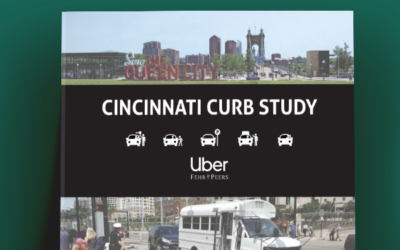
Cincinnati Curb Study
In Cincinnati, as in many cities, curb space is a scarce resource. With multiple modes of transportation vying for access to the curb — from personal vehicles, buses, commercial vehicles and rideshare vehicles, to bicycles and pedestrians — Cincinnati has joined the ranks of cities around the world that are looking for ways to make curb space safer and more efficient.
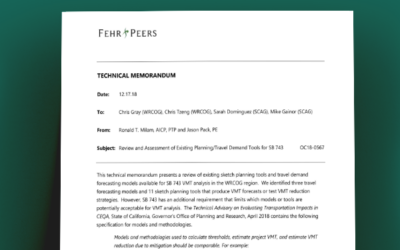
Tools Assessment Technical Memorandum
We identified three travel forecasting models and 11 sketch planning tools that produce VMT forecasts or test VMT reduction strategies.

Pedestrian Crossings
Learn how the evolution of crossing treatments, guidance, and travel behavior is critical to addressing quality of life challenges and meeting expectations for those who walk.