
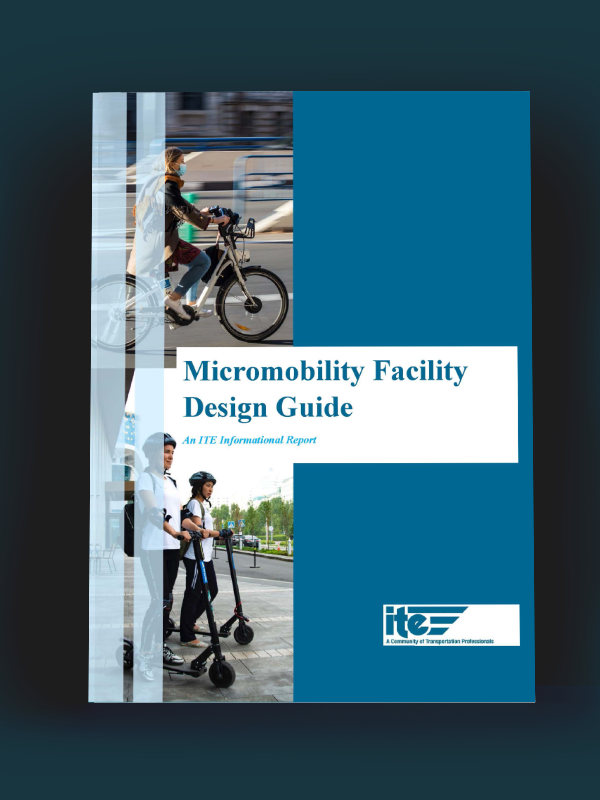
There has been widespread growth of micromobility vehicles in both large cities and small towns. However, these micromobility vehicles use existing right-of-way and transportation infrastructure that was not designed with them in mind. As a direct result of the lack of appropriate guidance on how to design roadways to accommodate the growth in micromobility vehicle use, the Institute of Transportation Engineers (ITE) Pedestrian and Bicycle Standing Committee developed the Micromobility Facility Design Guide Informational Report, which summarizes potential design challenges micromobility users experience as they travel on typical roadways. The report also identifies design solutions with real-world examples to accommodate micromobility. We invite you to explore the full report and continue the conversation with us below.
Looking for more insights?
share this article
Explore More
SB 743 and VMT FAQs
A guide for agencies on implementing SB 743’s requirement to assess transportation impacts based on VMT instead of traffic delay, aligning with California’s environmental objectives.
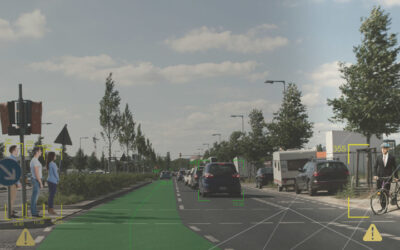
Readiness Planning for Autonomous & Connected Vehicles
Traditional automakers and technology companies continue to test and roll out vehicles that are increasingly capable of “driving themselves” without the aid of a human operator.

A New Narrative for Decision Makers, Seat Utilization: Part 3 of 3
Considering evolving transportation metrics and expanding the range of solutions that can effectively reduce congestion, VMT, and emissions.